The Trees of Winter
Every year what budded in autumn now blossoms full blown in winter. Trees that were drop-dead gorgeous in their fall colors are now bare, with the exception of evergreens and a few stray deciduous trees that refuse to relinquish their leaves. Now the trees are stripped down to their souls and their souls sing a siren song to the universe.

The tops of trees lift my spirit; brushlike they paint the sky the baby pinks and blues of mornings, and the majestic magentas and violets of day’s end. Each tree has its signature shape against the sky, like a fingerprint or a snowflake, similar yet each unique. Some treetops in their bare state are shaped like a fancy coiffure; others look like wrought iron filigree. On distant mountains, against the snowy ground, some look like stubble on an old man’s unshaven face.
The colorful winter sky shows through, showing off bare branches. The curvaceous branches are stark, dark lines against the bright of day and the inky sky of night. These resplendent creatures are living lines that explode. Branches tangle like the lines in a Jackson Pollock painting. Others curve in the sensuous lines of a Brancusi sculpture. Buxom tree trunks stand strong surrounded by their dead blossoms and their burgeoning offspring like a Renaissance Madonna. In truth these trees are not like art at all. Rather art imitates them– their beauty provides the timeless inspiration for artists, writers and poets of all ages and styles.
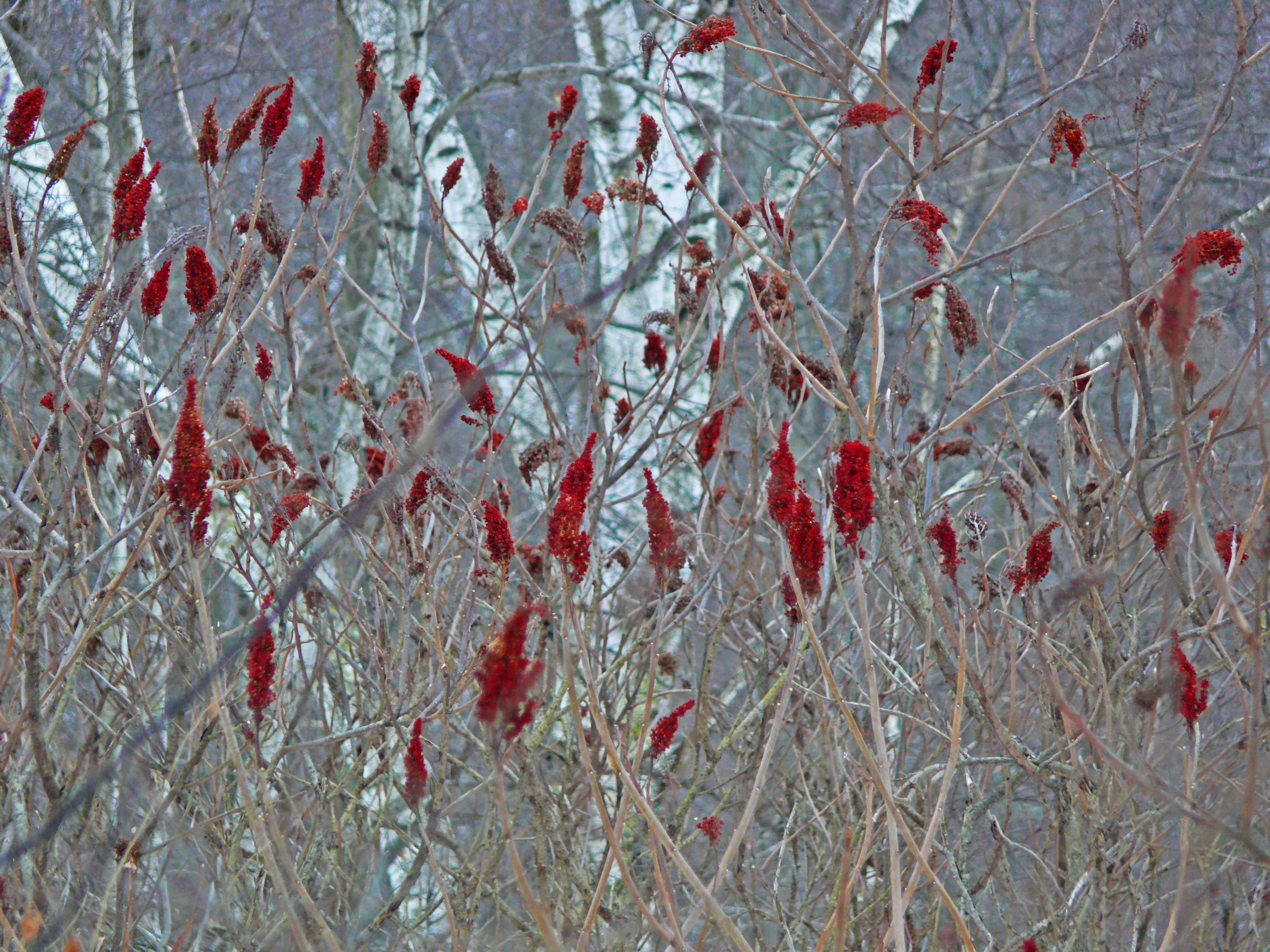
Trees not only inspire, they themselves are paragons of diversity. One look out of a car window while driving on the Taconic and one can see squat pines alongside towering majestic firs, birches interspersed with maple and oak. And together the different brown and tan barks interspersed with evergreens create not only a mosaic of contrasting colors, but display an example to inspire humans to live together in peaceful unity.
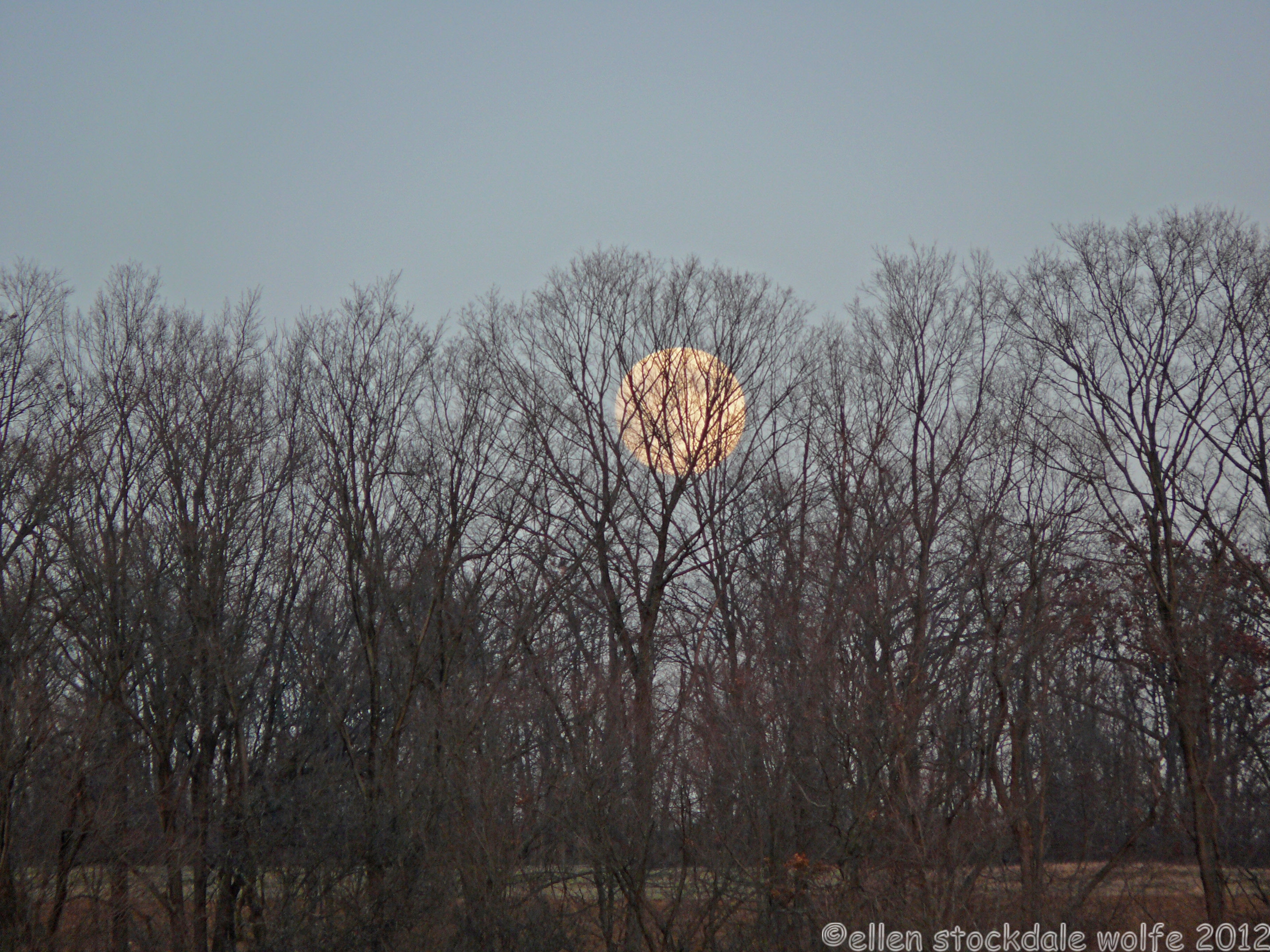
These beneficent beings carry the heavy, dark grey clouds of winter. When it snows the tree trunks become canvases for the abstract patterns of windblown-snow, while the serpentine branches are outlined in white. In ice storms their branches become chandeliers, each enveloped in glassine ice, tinkling in the wind. While in the cold melancholy of a winter rain, the branches become oiled skins of snakes weeping to the ground below. And finally, in the night sky, the branches hold the stars in their arms, those with leaves holding them in their hands, as they nurse the moon.

All trees, no matter what their species, age or height, stand tall in proud humility, their arms reaching up to the heavens to the source in prayer– soft-spoken beings of peace and tranquility towering over us, as we the wee creatures race around distractedly below in our little lives.
The Oneness of It All
In this month of darkness, in this the darkest month, the light of the human spirit shines forth in a fullness shown by so many, in so many ways. As the days grow shorter, houses and trees are decorated, and snow falls. In the hushed silence of the nights, lights shine in windows, and the beauty is shared by all. For this season of giving brings the festivals of lights: Diwali (now past), Hanukkah, Christmas, Kwanzaa. Each tradition incorporates light in its ceremonies and decorations. But all is not well. Millions know no peace in any season.
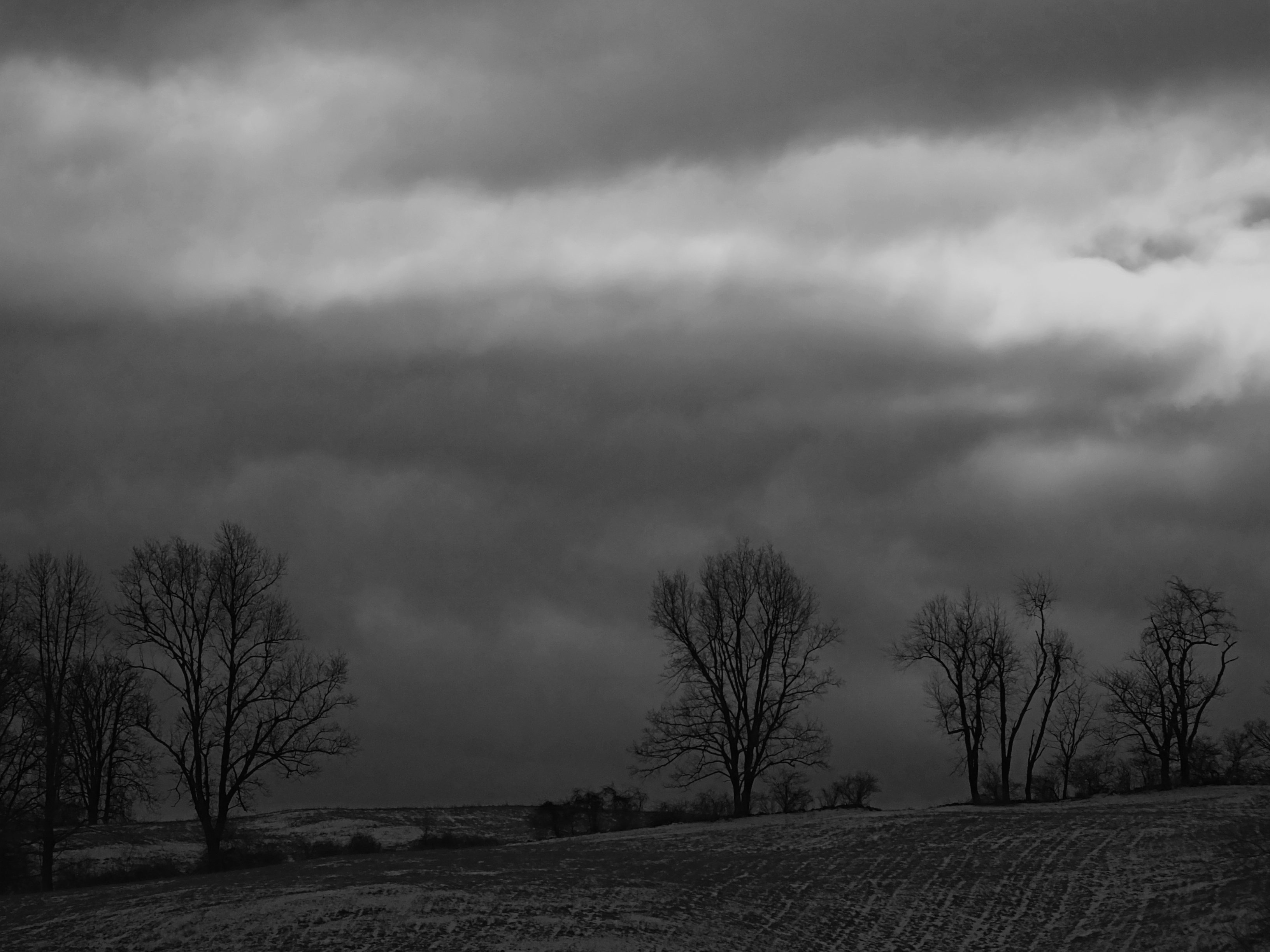
Yet even those living in the worst conditions show the light of the human spirit and celebrate the season of light in personal ways. For the human spirit is indomitable.
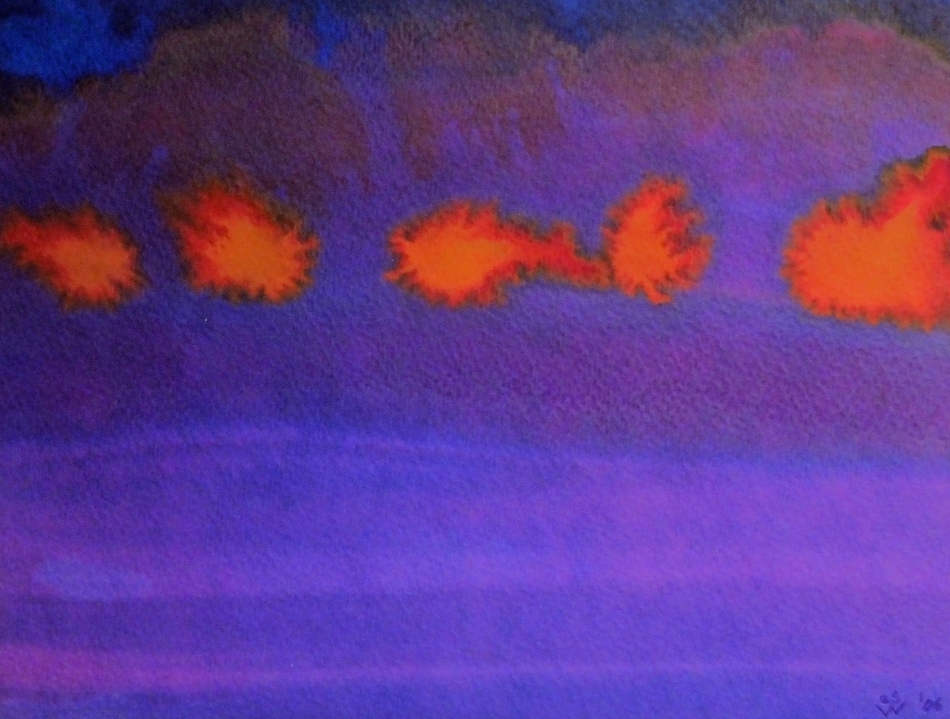
In December’s darkness we light lights. For we are beings of light. A light glows within each one of us. And, at the most basic level, we are beings of light because we are made from stardust. Perhaps that is why the stars hold such majesty for us– we are made from star material.

Einstein said: “A human being is part of the whole, called by us the ‘Universe”– a part limited in time and space. He experiences himself, his thoughts, and feelings, as something separated from the rest– a kind of optical delusion of his consciousness. This delusion is a kind of prison for us, restricting us to our personal desires and to affection for a few persons nearest us. Our task must be to free ourselves from this prison by widening our circles of compassion to embrace all living creatures and the whole of nature in its beauty.”
When Spiders Rule

A chill wind blows the yellowing leaves off the trees. They drift down to the ground like giant snowflakes. The air is pregnant with the feel of the coming holidays. Fall has truly come with the sudden drop in temperatures. November appears as a mirror image of March. November is the vibrant color of decay while March is the decaying color of about-to-burst-forth Spring.

The birds are at the bird feeder all the time now. They are not stopped by our presence when we come to fill the feeder or blow leaves under it. Nothing stops them. They swoop around the feeder and the surrounding trees like Kamikaze pilots, darting here and there recklessly. The squirrels are in a frenzy as well, stock piling and burying acorns and walnuts which they will retrieve without fail in a month or so in a snow-covered land.

The trees are most beautiful for me at this time of year, when many of them are bare and a scattering of leaves remain on dark brown branches. The leaves that remain on the trees blow on the limbs with dainty grace in their precarious positions. Yet these are the survivors. The other leaves have fallen and gone the way all living things eventually go. Most trees have lost all their leaves and they stand in stark contrast against the blue sky, the stormy sky, even the night sky. They are perhaps most beautiful at night, like arms reaching up to the darkness trying to grab at the stars twinkling between the branches. Moonlight dances on their limbs.
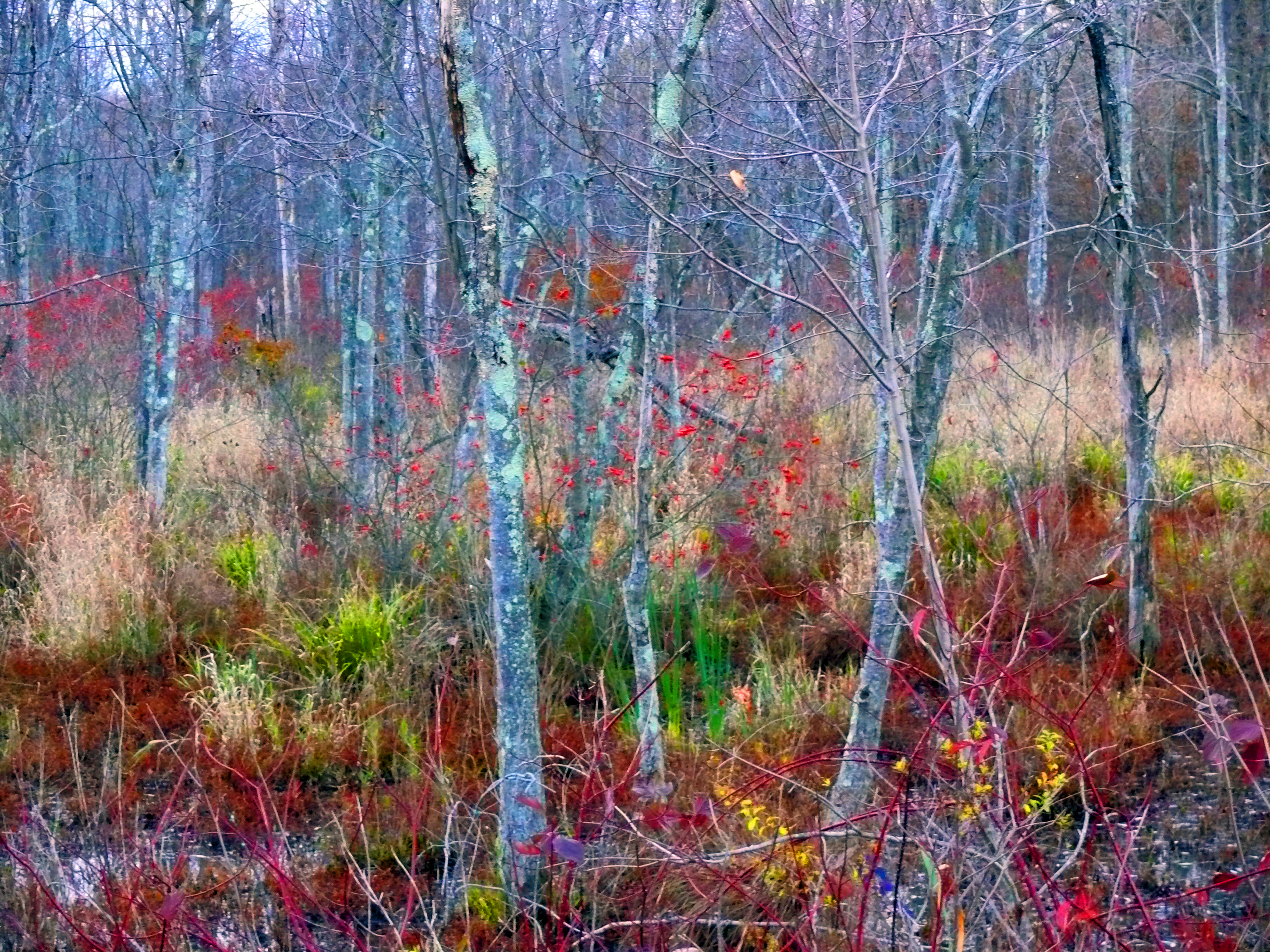
November is the last glimmer of color and in some places the color seems to be predominantly yellow. A carpet of yellow lines the woods now. And now one can see inside the woods, so dark and impenetrable in summer. Some forests have carpets of oak leaves– dark brown tan in color. Or there are forest paths with variegated colors– vibrant crimsons against yellows and faded greens and tawny tans. The unmown lawns are now taken over by the spiders and, at moments, one can see a world of webs covering fields that only appear in a certain slant of sunlight. It is the silent take over of the spiders before the snows come.

The yellow, the brown, the crimson leaves are complemented by the ubiquitous yellow, brown and crimson mums that appear on the roadside near mail boxes, on porches or along driveways. These tough little flowers withstand frosty chills and stand tall throughout most of November. Hearty souls and so giving in their colorful, velvety splendor.

Soon the season of lights will begin. Autumn, as a season, seems the fastest to come and go. I hold each moment in my hands as a treasure, but the moments all sift through my fingers like grains of sand. Then Christmas comes and fades in a flash, and we are into the Nor’Easter blizzards of January. Another year is gone. The years do go faster as you grow older. We go about living our lives, trying, against our natures, to treasure the good moments. Now in November, at Thanksgiving, it is our time to say thank you. Inspired by the Native Americans let us thank the earth. Let us say thank you to the trees for their constantly changing beauty, to the stars for their piercing presence in the night sky, to the leaves for their beauteous colors, to the sun for its life-giving power, to the Spring for its awakening hope, to the Summer for its warm, thriving growth, to the Fall for its bounty, to the Winter for a time of renewal, to the snow flakes for their hushed, white silence that transforms our world, to the animals for their pure souls, to our families and friends for their love, and, lastly but mostly, to the Higher Power of our belief.
Happy Thanksgiving and may you each be blessed with the all embracing, pervasive Love in nature.
Love from Above
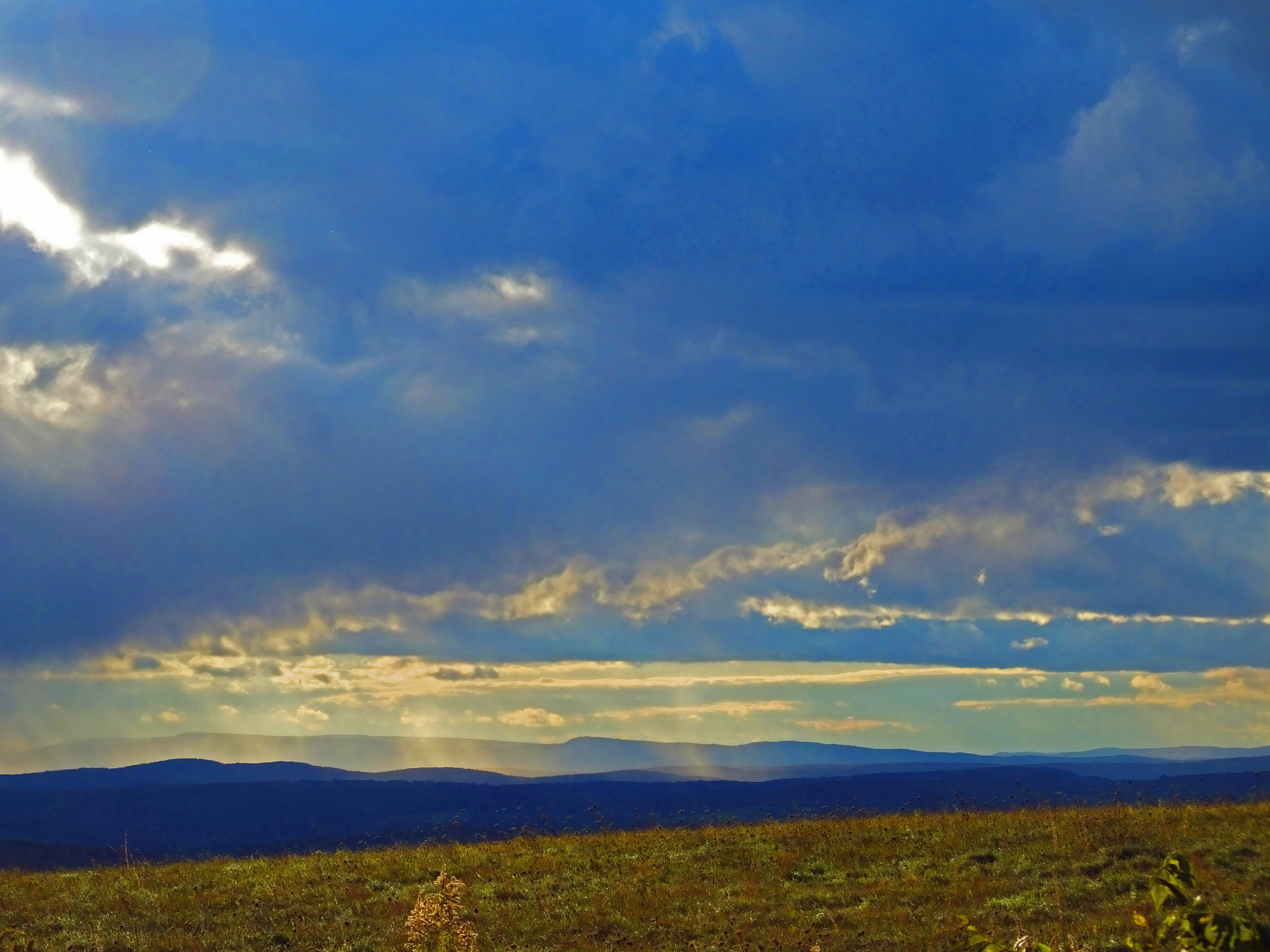
“… the Cosmic Beam, the Divine Light pouring from the projection booth of Eternity.”
Paramahansa Yogananda

(Click to enlarge)
(Click to enlarge)

(Click to enlarge)











 MOONSIDE
You must be logged in to post a comment.