Good Grief

It is Springtime and I am doing my annual Spring cleaning– maniacally giving away old and unused clothes and items that no longer serve or never did. Some things I remember as I go through the linen chest– others are totally forgotten as to origin and use. And then it hits. In the corner of the chest is a neatly folded piece of green check cotton cloth. I immediately know its source. It is the cloth my Mother used to make curtains for her kitchen. Mom was always making curtains. When my husband and I were married she made curtains for our first apartment. Seeing this green check cloth brings me back to a hard period in my life when seeing my Mother was my only joy… we are sitting at the table in her kitchen having tea and laughing. It is a happy meeting… So many years ago.
And now with the sun shining and the birds singing and fresh air wafting in through the windows I am struck with a clutching stomach of grief. Tears that feel they could go on forever when I was in my fifties now are gone some 20 years later. Loss has hit again since then… a few times and those times are more sore. I let the sun beat down on me to soothe the memory.
Grief is not just a human phenomenon. Elephants will stand over the dead body of one of their herd, in some way showing respect for the departed spirit. And I think of examples close to home. The doe we saw one day going over to the dead body of a fawn on the side of the road. Or the baby rabbit we saw crossing into the middle of the road where a large mass of flesh with fur lay. And even closer to home– my husband and I adopted my Mother’s dog once Mom got too sick to care for her. Ko-ko had stayed with us many times in our house and loved being there. We never took her to see Mom again because the parting was too hard on both of them. We did take her toys though, from Mom’s house one night, and put them in our bedroom, among them a corroded rubber Santa. We were sitting at dinner that night and Ko-ko went into the bedroom. We heard a blood-curdling yelp and then whimpering. We went in and found Ko-ko with her old Santa in her mouth. The Santa was her version of my green check curtain. A stabbing wound and tears.
Clearly animals feel grief. Some die of grief just like humans. Grief binds us together, human and animal, and perhaps provides the special appeal of the new life in Spring. Yet when Spring inspires happy faces and a general feeling of well-being, and flowers are blooming everywhere, the contrast can be cruel. As T.S. Eliot so eloquently put it: “April is the cruelest month.” But once it is May the new life has settled in and we can go out in the yard and bake in the sun– the universal giver of life. And then with June… “And what is so rare as a day in June? Then, if ever, come perfect days…” (James Russell Lowell)
We humans have no prerogative on grief. Our lives entwine with happy moments and tragic in this vast web of existence, and Spring and loss are just two facets of possibility.

For contributions to Michael’s Makindye Foundation providing a home for street children in Uganda click on the link below. Michael and Angie appear in a photograph below the link.
https://www.gofundme.com/f/sustainability-support-for-the-makindye-foundation
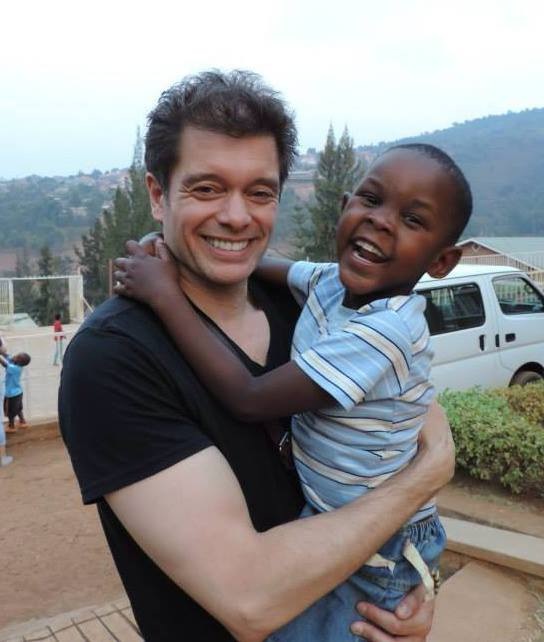
Last of the Informal Show
These photographs are the last to go to Michaels Makindye Foundation for street orphans and homeless children in Uganda. See reference at end for information and donations…

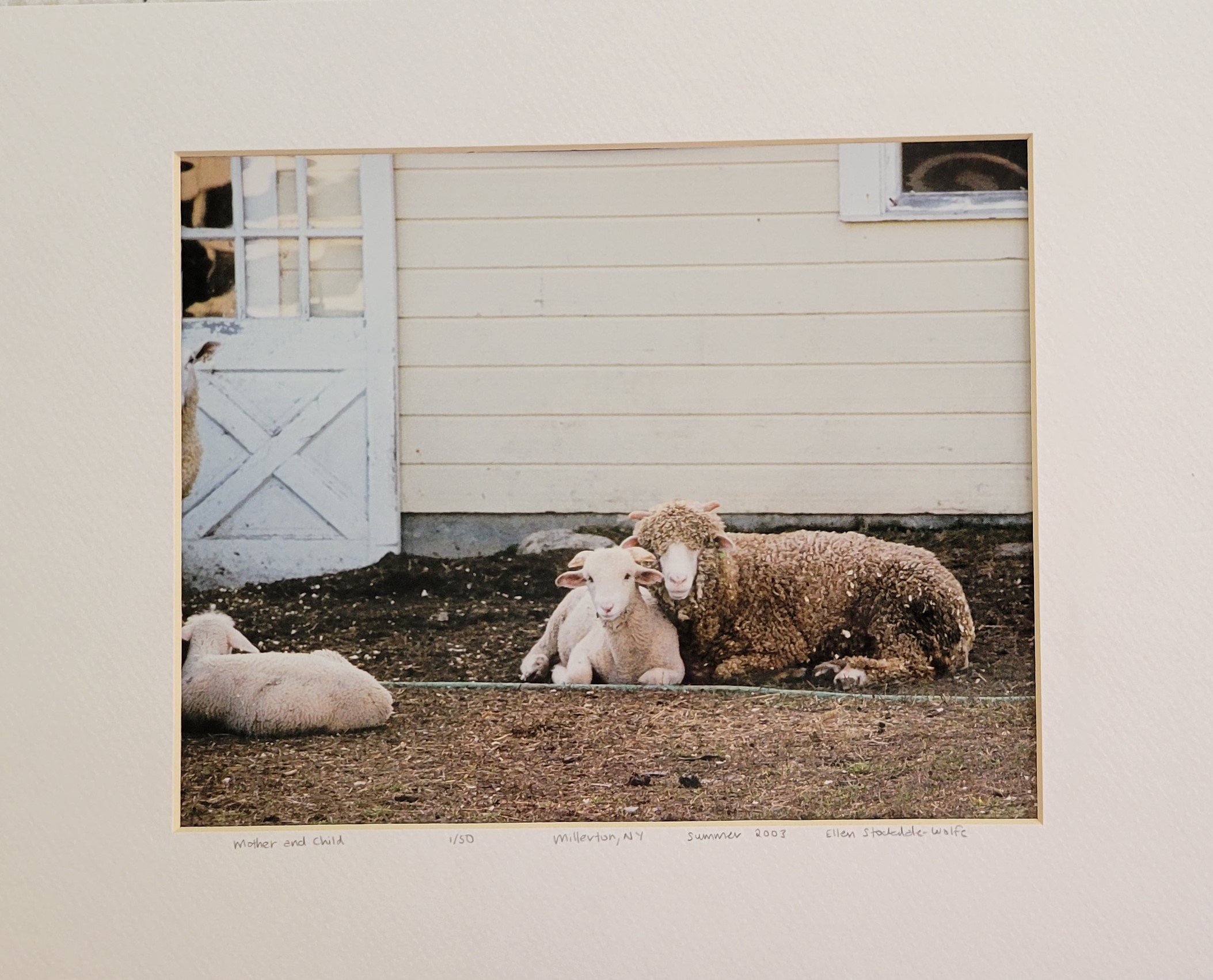

Some of my India pictures are going as well… see “India” on the blog. One appears below…
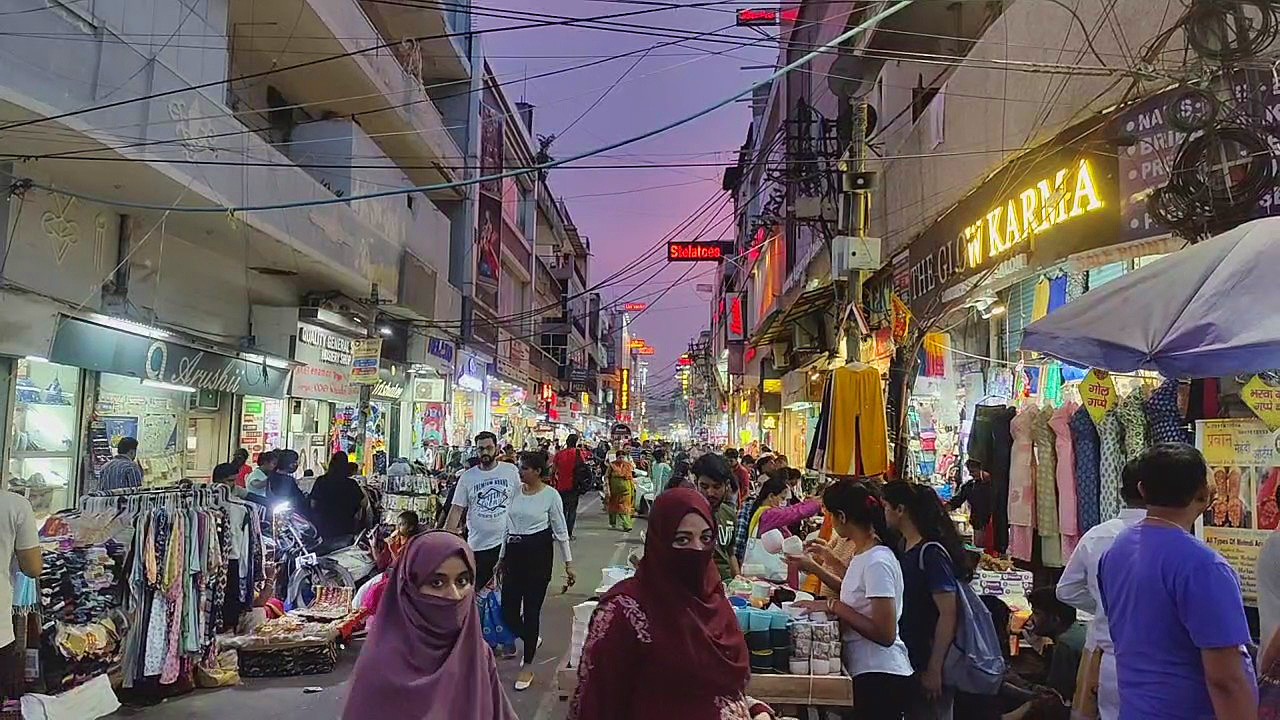
Delhi Market
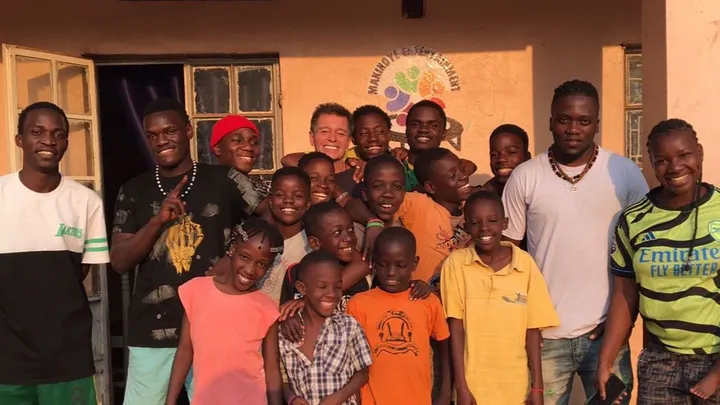
Makindye children

Michael and Angie
Click on link below to see Michael’s charity:
https://www.gofundme.com/f/sustainability-support-for-the-makindye-foundation
Jeepers Peepers

Above: the vernal pool not yet unfrozen and below: the YouTube video to hear the song of the Spring Peepers
It is late afternoon and it is spring according to the calendar although still quite cool. I have just spent the late afternoon listening to “music.” Some have likened it to the sound to bells. Others to bird song. And still others, with unimaginable disdain, to “some kind of nature noise.” For me it is one of the happiest of sounds. The act of creation transformed into sound decibels for all to hear. A sound that comes from the earth and resounds to the heavens, unwittingly praising the Almighty. I hate to leave, and wish I lived even closer to the pond, so that the sound would surround me totally, filling my ears every evening with the sound of perhaps the single-most highlight of spring for me. The siren song of the Spring Peepers.
How have they cast their spell over so many? I cannot say except that their song is uplifting and filled with hope despite the natural perils they face daily. For, as true of all of us, they may die at any moment– say as a meal for a nearby perching crow or underneath murky waters eaten by a snapping turtle. They call for a mate without ceasing, without fear, single-mindedly, without a thought for their own safety. It is nature at its most elemental, in its most singular scope. They all sing out vying to be heard– so many voices. In some spots, I am told, their song is deafening. How nice to be there; I cannot get enough of their sweet music. It moves me to tears– these tiny creatures singing out their heart’s desire.
As I return home to family “situations” and domestic duties, I yearn for the simplicity of their song. Their total fervor. For if they sing then all is right in that small part of the world. Progress has not paved over their pond. Disdainful humans have not drained a “vernal pool.” David Carroll writes about vernal pools in one of his books on turtles called The Swampwalker’s Journal. As the title suggests, Carroll walks through such places in search of turtles and other amphibians. He defines a vernal pool as a pool of water that fills up in Fall and Winter and freezes, swells in the Spring and often dries up by end of Summer. But a vernal pool is utmost a place of magic, not only where turtles lurk, but also where mating frogs deposit gelatinous eggs, which turn first into tadpoles, and then, later, become frogs. Vernal pool habitats hold a galaxy of small things that come to life the instant ice and snow turn back into water. And after a requisite series of warm days, followed by spring rains, on the first dark night, vernal pools become the site of the “salamander night.” Salamanders leave their hibernacula to go for a night of endless mating and then return to leaf litter in the woods to disappear for the rest of the year. Some people, who know nothing of vernal pools and their function, deem them a nuisance, a “big puddle” to be filled in or drained. Some people know little of spring peepers except that they are “noisy,” “like some sort of insect.” (Poor insects being made out to be the pesky lowest of the low.) The natural symphony of hormonal, harmonic sounds sometimes falls on deaf ears.
And when, after finishing my evening chores, I try to read, I find the haunting sound of the spring peepers deep within my psyche, making me restless and anxious and wishing to be at that pond, surrounded on all sides by their sex song, inebriated by the unbridled joy in the air, immersed in the utter power of nature manifesting in one of her gentler forms. In the song of the Spring Peepers nature celebrates life-to-be rather than taking lives away. For most of all the song of the Spring Peepers is a song of tremendous faith, faith in love, and faith that love will propagate and new life will emerge untouched by the often destructive hand of man.
************
To read about and/or give to Michael’s foundation for orphan and street children in Uganda, click on the link below the picture of Michael and Angie:

http://www.gofundme.com/f/sustainability-support-for-the-Makindye-Foundation












 MOONSIDE
You must be logged in to post a comment.