Paramahansa Yogananda:
“WE SHOULD BATHE OUR SPIRITS IN THE DEEP, PURE FEELING THAT STIRS WITHIN US WHEN WE GAZE ON THE GLORIES OF HIS CREATION. THIS IS THE WAY TO KNOW GOD AS BEAUTY.”
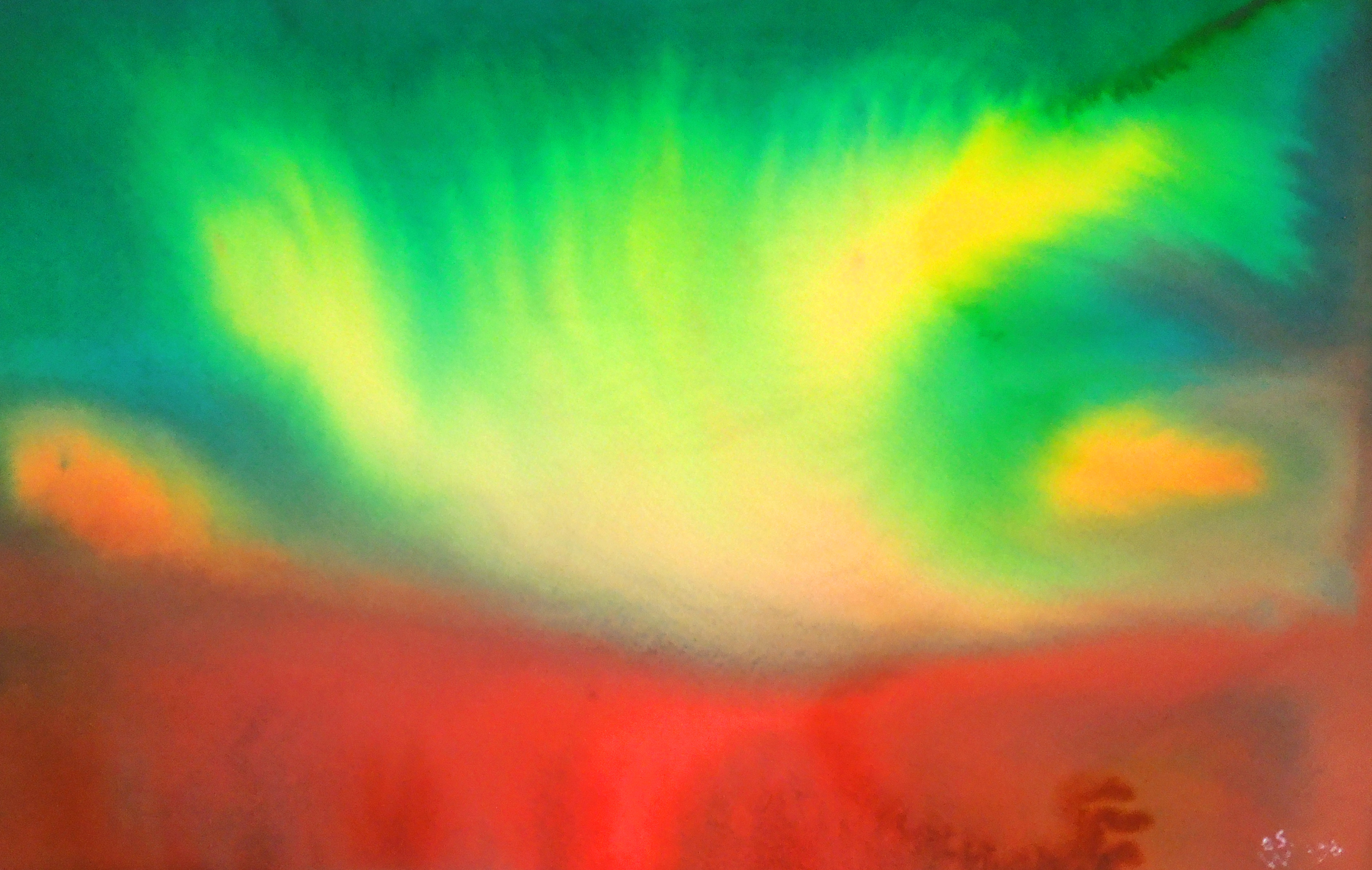
“Northern Lights”
esw 2006
HAPPY VALENTINES DAY!
“LOVE IS THE DIVINE POWER OF ATTRACTION IN CREATION THAT HARMONIZES, UNITES, BINDS TOGETHER“
PARAMAHANSA YOGANANDA
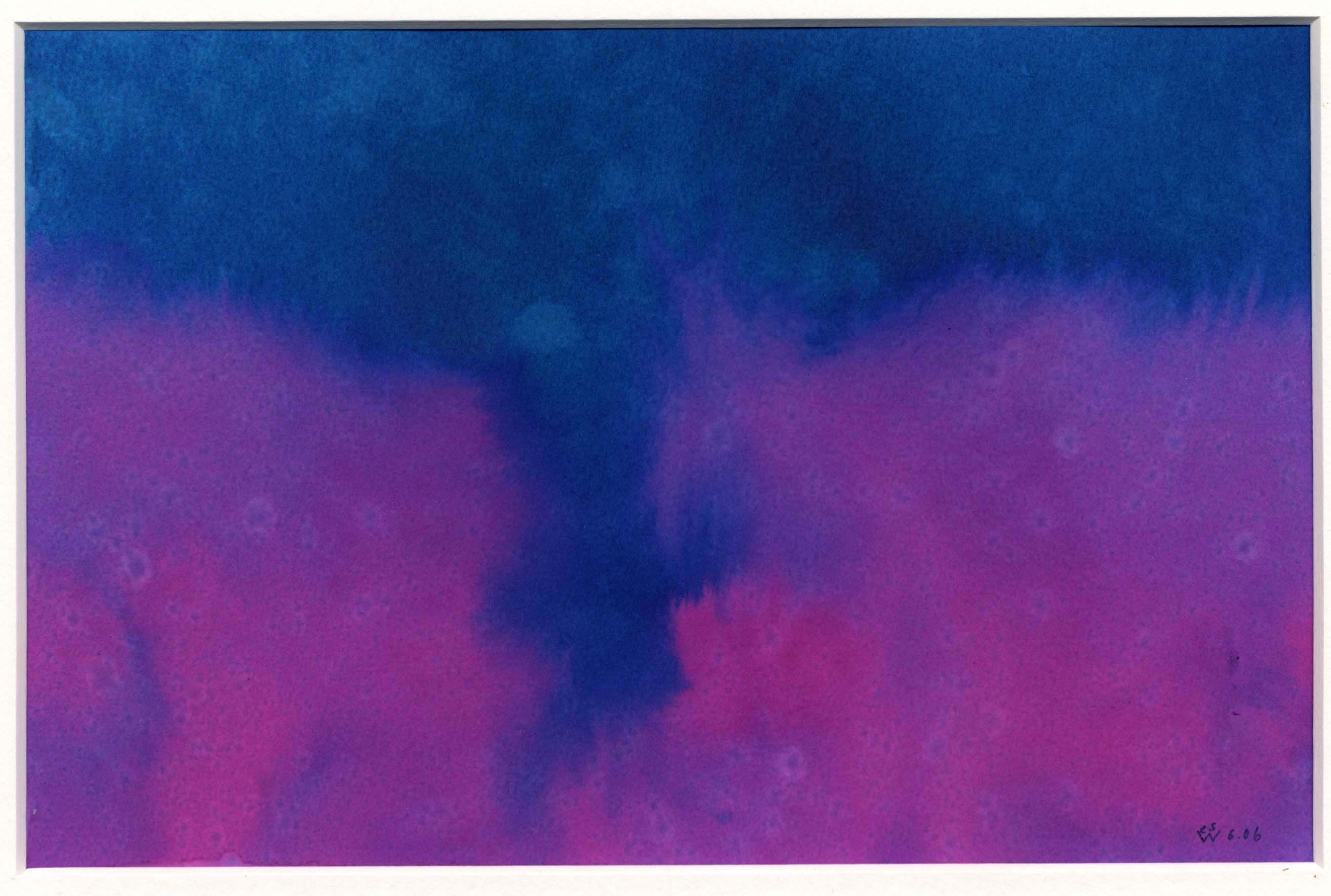
To Thomas:
Slowly creeping towards our fourth decade together. Will we make it? Love grows deeper against a background of eventual, inevitable loss. A loss more unimaginable than one’s own demise.
I look deeply into your eyes, my eyes linger, falling into your blue orbs, while you, in turn, delight in my gaze, going far beyond the polite looks people use in everyday conversations. We pause too long. I fall into the abyss of your sky blues and feel reverence. Reverence for your happy spirit, infectious mood. Reverence for the God I see in you.
It is not the Eros of our first decade that has morphed into something much deeper. Attraction, yes, but of a different nature. Attraction of the heart, the soul, the spirit. We bring each other to pure joy, bliss, a sharing of spirit. We give each other a taste of Oneness with all. Meditation has become our love-making. Nature has become our Temple. This life has become suddenly the blink of an eye.
The Oneness of It All
In this month of darkness, in this the darkest month, the light of the human spirit shines forth in a fullness shown by so many, in so many ways. As the days grow shorter, houses and trees are decorated, and snow falls. In the hushed silence of the nights, lights shine in windows, and the beauty is shared by all. For this season of giving brings the festivals of lights: Diwali (now past), Hanukkah, Christmas, Kwanzaa. Each tradition incorporates light in its ceremonies and decorations. But all is not well. Millions know no peace in any season.
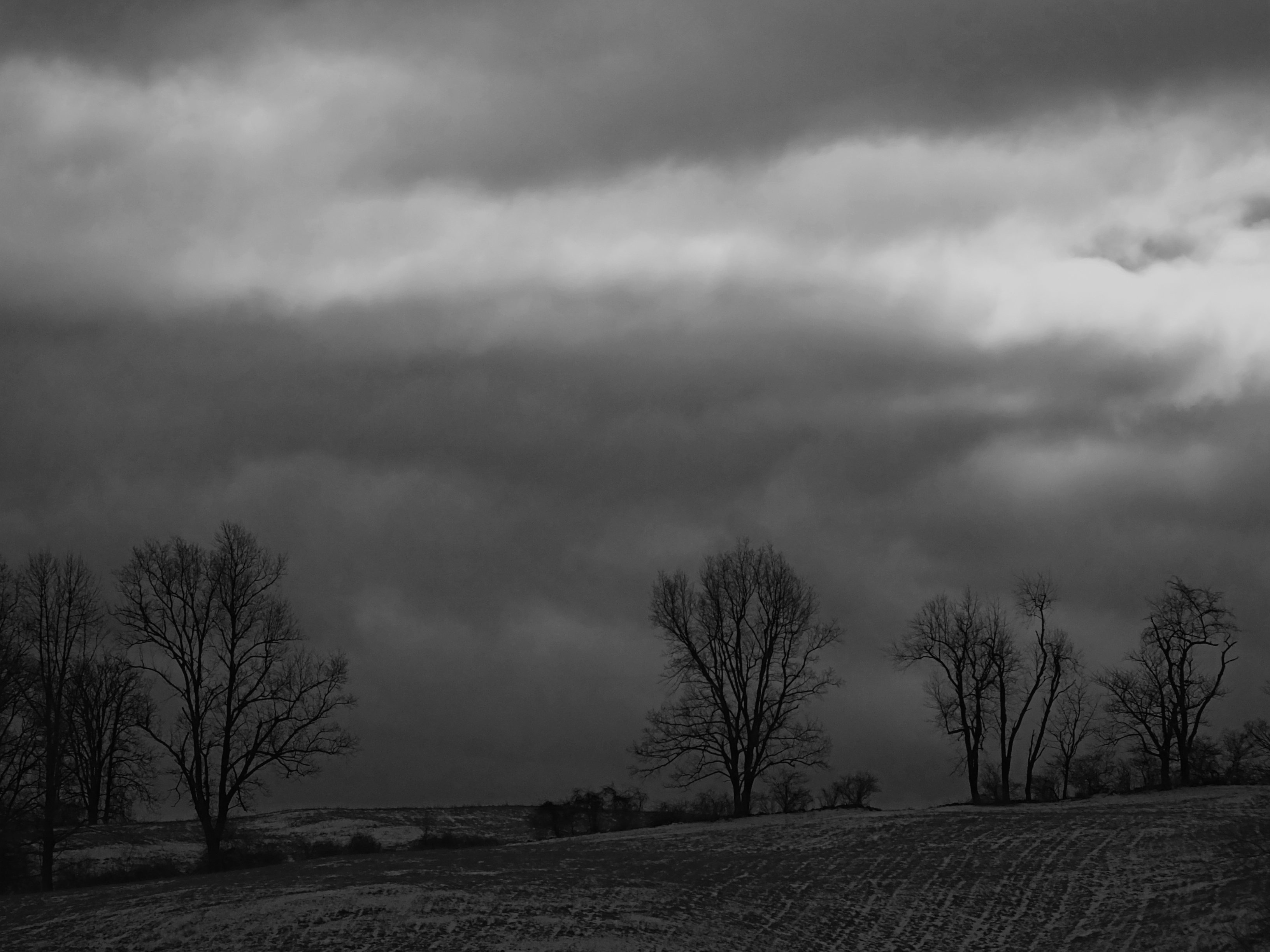
Yet even those living in the worst conditions show the light of the human spirit and celebrate the season of light in personal ways. For the human spirit is indomitable.
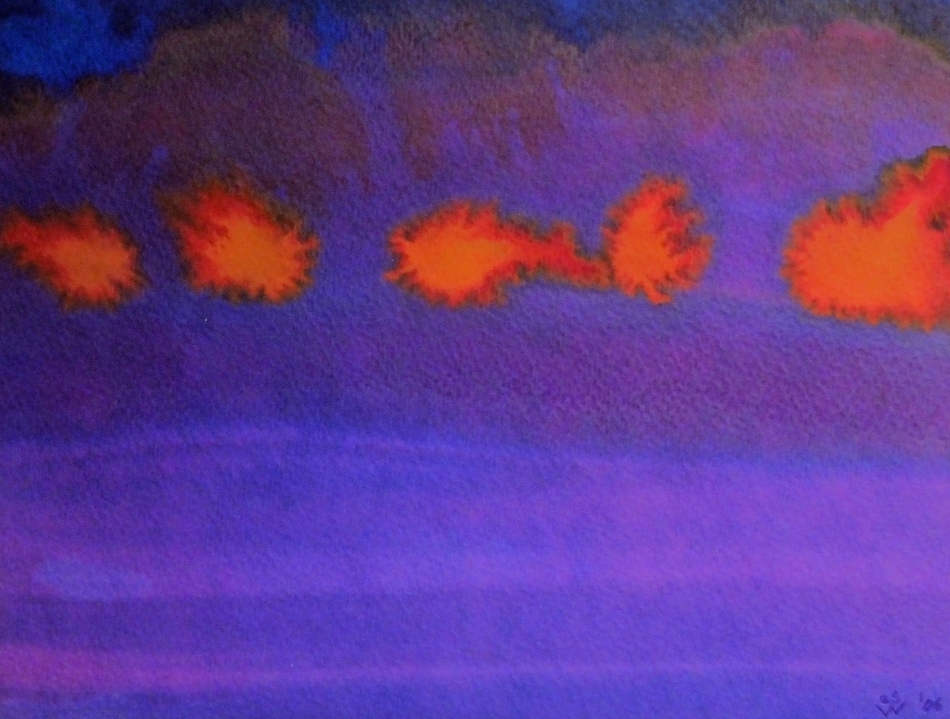
In December’s darkness we light lights. For we are beings of light. A light glows within each one of us. And, at the most basic level, we are beings of light because we are made from stardust. Perhaps that is why the stars hold such majesty for us– we are made from star material.

Einstein said: “A human being is part of the whole, called by us the ‘Universe”– a part limited in time and space. He experiences himself, his thoughts, and feelings, as something separated from the rest– a kind of optical delusion of his consciousness. This delusion is a kind of prison for us, restricting us to our personal desires and to affection for a few persons nearest us. Our task must be to free ourselves from this prison by widening our circles of compassion to embrace all living creatures and the whole of nature in its beauty.”
Watercolor paintings

“Homage to Kandinsky“
(Click to enlarge)

“Ultraviolet Plumes”
(Click to enlarge)
These paintings were done in 2006. They were inspired by the beauty of natural scenes and landscapes of upstate New York… Millbrook, New York. They are fueled by my handicaps of Bipolar Disorder and Autism Spectrum Disorder and they represent the positive sides of these conditions.
The Wave in the Ocean (adapted from a talk given by Swami Sarvapriyananda)

A wave floating upon the ocean
of conciousness
I know the end is near
for I see the shore ahead
upon which I will crash
and become droplets of ocean spray
flying way up high
in the sky
only
to fall to earth
again as a wave
in the ocean
only to die again when I hit the shore
in a seemingly endless cycle of births and deaths and rebirths
until a sunbeam enlightens
and the I
evaporates
and finally will be vaster than the ocean
in the infinite consciousness of space
no more to be reborn.
The New Year…
Now in embryonic form on New Year’s Eve… the revelrie amidst destruction, the drunken hopes in a dying world, the hoopla scares me… it is premature… what will the New Year bring?
Hope it brings peace… but it is not looking good for that right now. We need Spirit. We need Faith. We need Hope. We need Justice. We need Truth. But most of all, we need, LOVE!
The Edge of Winter

It is an overcast day. Brightly colored birds stand out like jewels in the greyness. The winter birds– jays and cardinals, juncos, black-capped chickadees, white-breasted nuthatches and downy woodpeckers flock to the bird feeder and it has to be filled up almost every day. The red berries on the bushes are nearly all gone and the feeder is becoming a matter of survival. On our walks we see empty nests held in the bare arms of winter trees. An empty robin’s nest is filled with snow– the hatchlings and the mother long gone to fairer climes. The trees are stripped down to their souls. With ice storms they become tinkling chandeliers. In the rain the few remaining dead leaves drip icy tear drops.
Occasionally a dove visits the feeder. The chipmunk, who gathered scattered seeds under the feeder all fall, is not to be seen. He must be in torpor in his den. According to Bernd Heinrich in: The Winter World: the Ingenuity of Animal Survival, the eastern chipmunk builds a twelve foot storage system with a nest chamber some three feet down and a tunnel system which includes a food storage chamber. Heinrich says chipmunks go in and out of torpor. He reasons that they would not gather food if they were to be in torpor all winter long. We will probably not see our chipmunk for the rest of the winter for, in his stuporous state, he would be easy prey. However he can be roused to eat and venture outdoors if need be, especially in March when there still may be snow on the ground but mating season begins.
The grey squirrels are busy clearing snow from branches as they run along tree limbs. On the ground they dig through the snow for the walnuts we watched them bury in the ground with their noses this fall. They do not need to hibernate for they have food stores which they built up in the autumn and leafy, well-insulated nests. The red squirrels survive winter by putting on a thick, insulating fur.
The back yard is a maze of tunnels. We think they are deer mouse tunnels as many have tunneled their way into our house. But they must get by the feral cat who sometimes waits out a snow storm under our deck. In the woods, the occasional deer waits out the same storm under a squat fir tree. The tracks in the snow tell the story of how they weathered a Nor’Easter.
Beneath the tracks in the snow, in the frozen leaf litter, the insect world is dormant. Some hibernate. Others fill their bodies with antifreeze, glycerol, to stay alive. Heinrich talks about woolly bears hibernating but they are also capable of freezing solid and surviving, coming to life again as they thaw in the spring. The pupae, however, don’t survive being frozen.
In Winter: an Ecological Handbook, authors, James C. Halfpenny, Elizabeth Besiot and Roy Douglas Ozonne, tell us that the reptiles and amphibians pick out a “microclimate for hibernation that does not freeze” for their winter, such as the “bottoms of ponds, streams, or deep in the ground.”
Our stream flows out back in the marsh under ice and snow and one can see the elongated bubbles of running water. In the pond next door the turtles lay beneath the ice in their hibernacula. At the end of the book, The Year of the Turtle, David M. Carroll, the naturalist, author and artist, has his watercolor of a spotted turtle hibernating. This picture is hypnotic and in its spell, I think of all the animals hibernating beneath our feet in lugubrious gloom. It reminds me of the penguins in the film, The March of the Penguins, in the dead of an Antarctic winter, huddled together for warmth in the harsh, strong winds and snow, taking turns being on the outside of the huddle. Winter can be magnificent in its transformations yet tragic in its harshness: hibernating animals who freeze to death and deer starving to death in the snow among the victims of its violence.
Carroll’s drawing shows the turtle all alone, withdrawn into its shell under less than two feet of water lodged firmly in the mud under ice under snow in a sunny winter’s day, a far better clime than the penguin’s– and yet it evokes a certain sadness for this little creature all alone beneath the snow, in a torpid state. The turtle is missing out on a sunny day, sleeping a deep sleep in a “half year of stillness.”
Carroll’s writing is sheer poetry as he describes the turtle’s hibernation: “Mounting layers of snow silently cover the ice. Night after night in the harshest depth of winter, as Orion and the Pleiades burn distant and brilliant in the black sky and strong winds howl off the mountain to the northwest, the turtles rest beneath the ice. With the life in them nearly suspended, reduced to its most tenuous hold, all but extinct in the vast, inhospitable regime that reaches above them to the limits of the universe, they lie within their shells, waiting for the earth to make its required turnings and return them to the sun that will awaken them to another season.”
I think of the turtles below, along with all the other beautiful creatures. I wish them a kind sleep from which they will safely stir with the life force surging through their veins as the sun brings them to the fullness of life again. The death of some, and the half life of so many, proffers the poignancy of winter.
Star Blossoms
“When you find that your soul, your heart, every wisp of inspiration, every speck of the vast blue sky and its shining star blossoms, the mountains, the earth, the whipporwill and the bluebells are all tied together with one cord of rhythm, one cord of joy, one cord of unity, one cord of spirit, then you shall know that all are but waves in His cosmic sea.”
Paramahansa Yogananda in “Metaphysical Meditations,” p. 36
(Click to enlarge)
“Homage to Kandinsky” (esw)
Informal Show… paintings and photographs
In May the art work below will be going to Michael’s home for homeless and street children in Kampala, Uganda, The Makindye Foundation. For more picture links and information on donations etc. click on link below…
http://www.gofundme.com/f/sustainability-support-for-the-makindye-foundation


(Click on all images to enlarge)
“Bontecou Lake”, Millbrook, New York (Photograph)

“Wildflowers by the Roadside”, Millbrook, New York (Photograph)

“Weeping Willow”, Lucasville, Ohio (Photograph)

“Reflections of Hills” Millbrook, New York (Abstract watercolor)
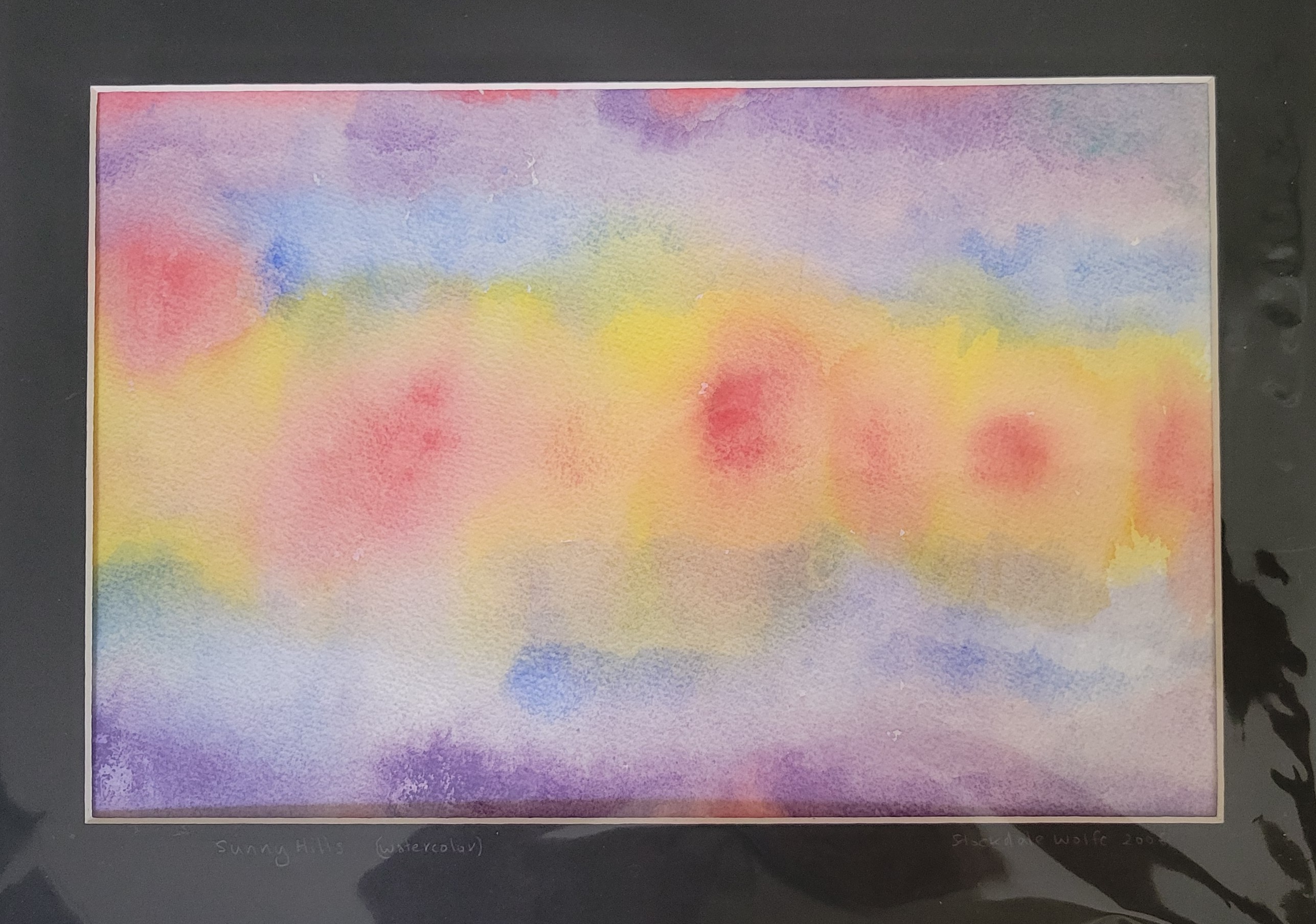
“Sunny Hills” Millbrook, New York (Abstract Watercolor)

“Trees in Winter” Millbrook, New York (Photograph)
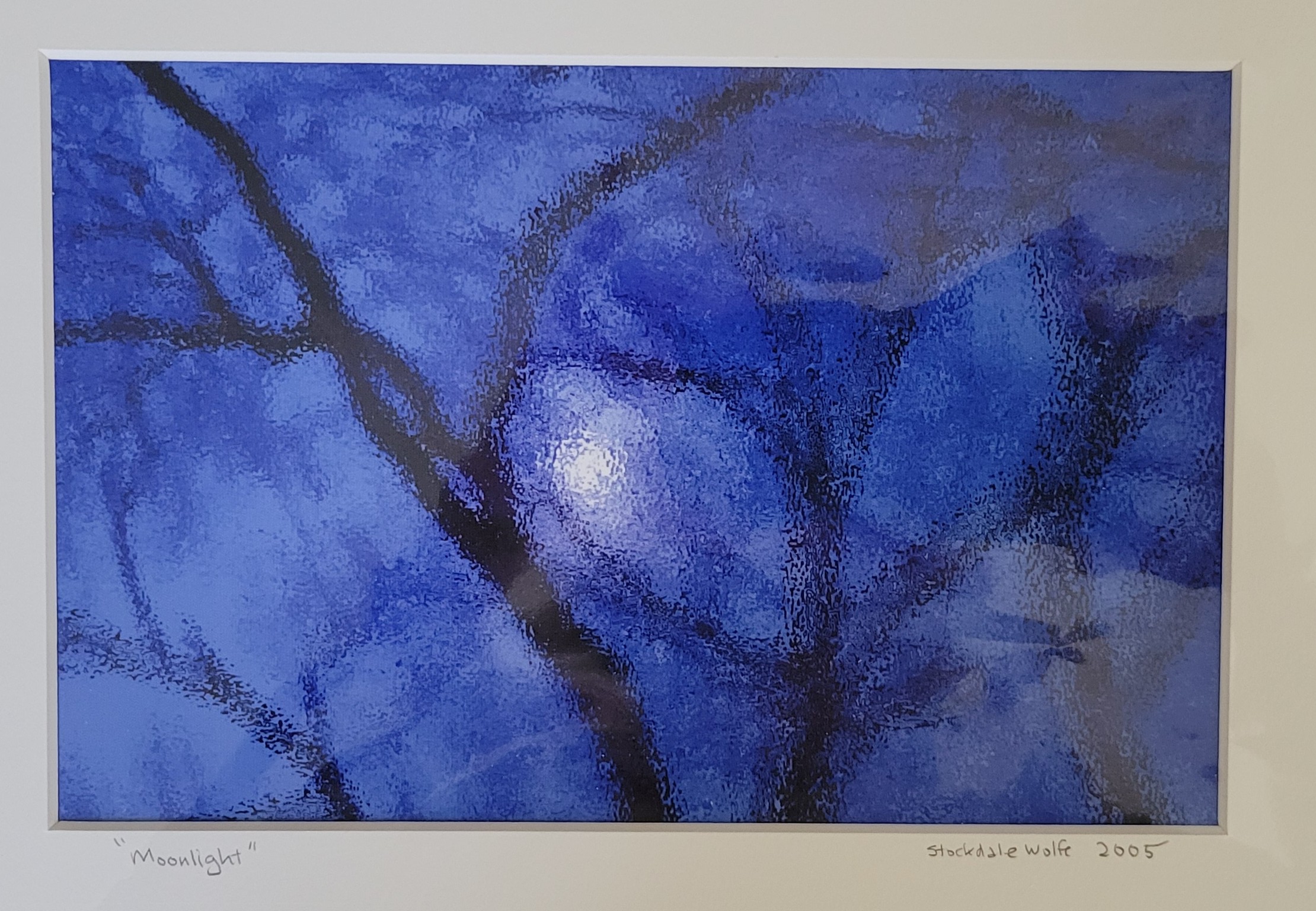
“Moonlight” Millbrook, New York (Photograph)
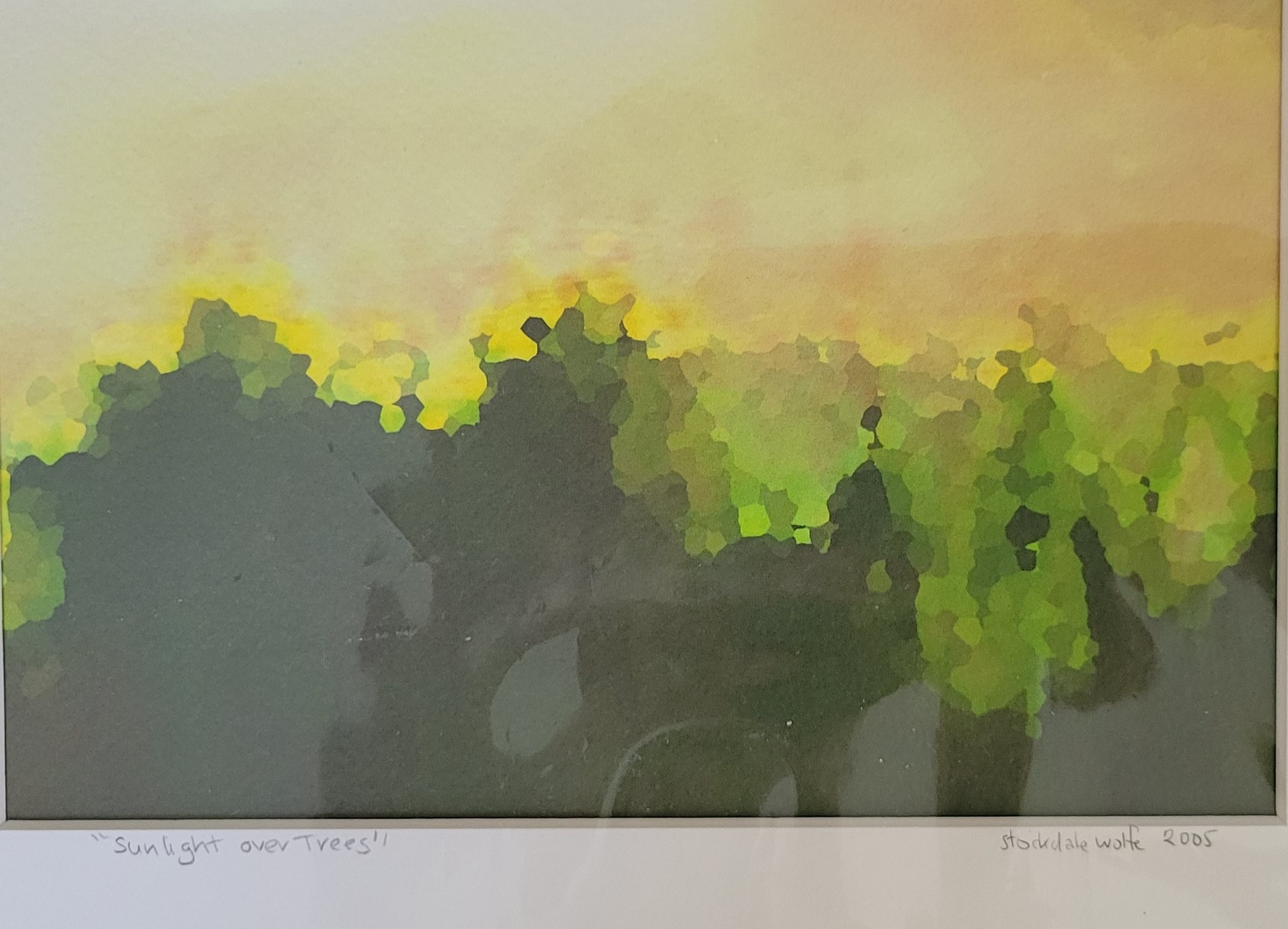
“Sunlight over Trees” Millbrook, New York (Watercolor)
Some of the children in Michael’s Makindye Foundation…
(see link at top)


Mandatory Two Week Break from Blogging… and Most Other Things… Doctor’s Orders…
So,,, being Bipolar means sometimes you are manic and sometimes you are depressed and sometimes you are both. And sometimes you need to stop the stimulation from so many things and get threatened with hospitalization. I am not the fun, spendthrift, creative, on-top-of-the-world-manic but the irritable, really-can’t-do-this-anymore, depressed manic who is just barely functioning. I no longer know what I am doing. For example, I have bought so many bottles of the same things, my husband pointed out, that both of us will be dead before they are used up.
And, so, I am not to blog (and other things) at all for two weeks. I might peek at your posts but can’t do any responding or posting. A post will appear Labor Day weekend because that was written a long time ago and scheduled to go live by itself. I will answer any comments when back. Will be very curious about you all and your posts. It is a truly good group of people… the WordPress Bloggers. And I will miss most of you very much.
Happy Labor Day weekend!

Blue Hills, Magenta Sky Reflected

(Click to enlarge)
Welcome to samples of my work in various art forms showcasing “Eye-locks and Other Fearsome Things.” “Eye-locks” is a Bipolar/Asperger’s memoir in narrative form that describes the triumph of love over mental illness.
Meditation in Green

(Click to enlarge)
Welcome to samples of my work in various art forms showcasing “Eye-locks and Other Fearsome Things.” “Eye-locks” is a Bipolar/Asperger’s memoir in narrative form that describes the triumph of love over mental illness.
From Realism to Abstraction

(Click to enlarge)
(Click to enlarge)
Welcome to samples of my work in various art forms showcasing “Eye-locks and Other Fearsome Things.” “Eye-locks” is a Bipolar/Asperger’s memoir in narrative form that describes the triumph of love over mental illness.

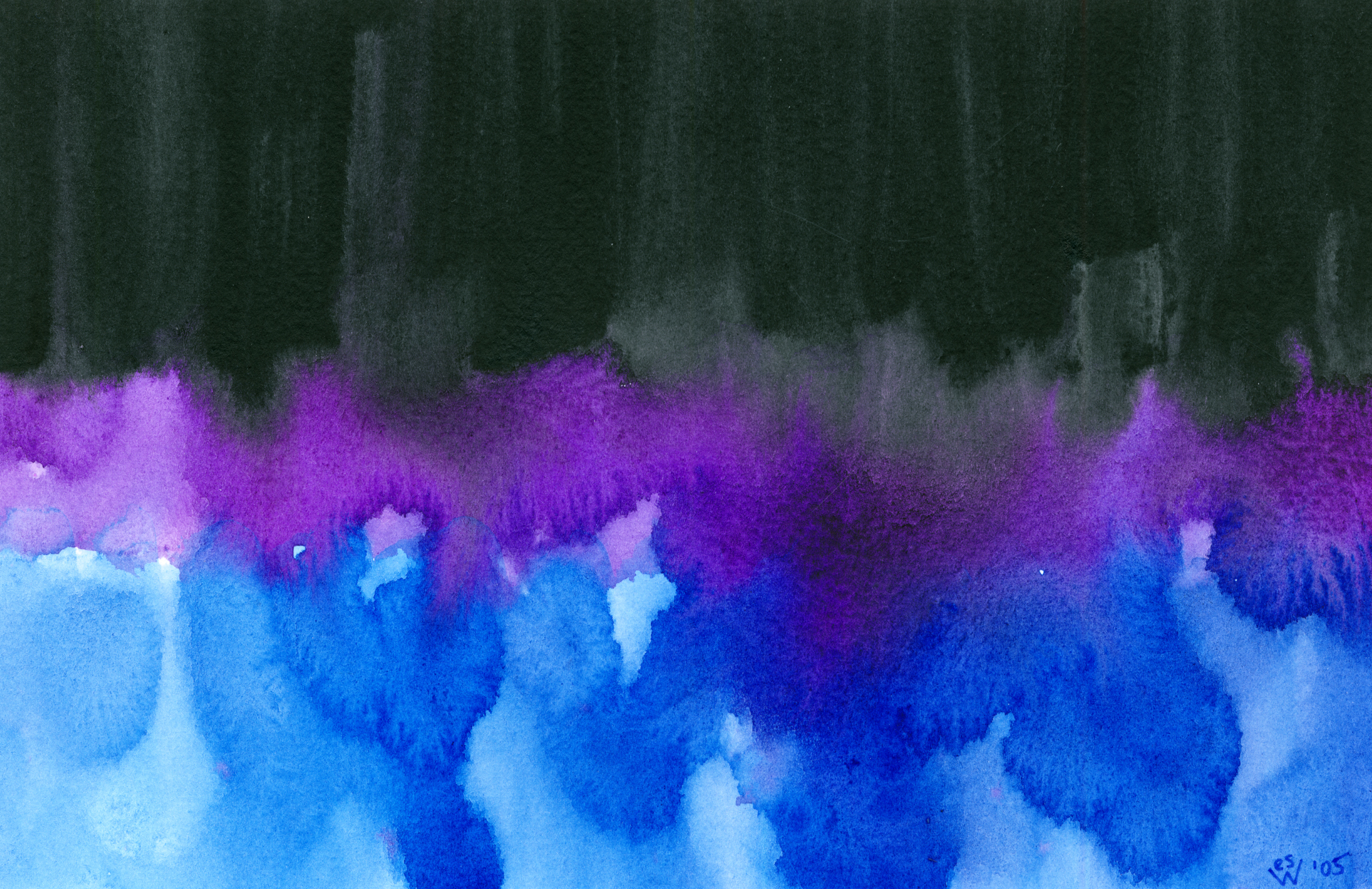
The Betrayal of the Young Ones of Today

When I was a Child…
When I was little I swore to myself that I would not be one of those grown-ups who told children “When I was a child, I walked 10 miles back and forth to school every day in all weather– blizzards and ice storms, and I carried 15 pounds of books on my back and I took care of my eight little sisters and brothers and such and such and such and such.” But here I am, not telling it to my grandchildren, but worse, writing it in a blog post. My excuse? I feel almost an obligation to tell young people what they are missing and point the finger at the cause. There seems to have been a fundamental shift in reality as we know it. Maybe every generation feels this and that is why there are these older people going around saying: “When I was a child…”
When I was a child, I remember autumns so brisk you could feel the frost on your cheeks in October rather than a sun beating down 80 degrees in “unseasonably warm” weeks of extended summer. I remember Thanksgivings so cold the grown-ups drank hot toddies at the Thanksgiving Day parade and we children would go home with frozen fingers and red cheeks and warm by the fire before the grand feast began. It was never 70 degrees in November or God forbid in December!! And I remember ice skating on a frozen pond in January and going home with toes so frozen they hurt when you put them near the radiator to warm up. And swollen red fingers. But the hurt felt good and the fresh air felt good and the icy cheeks felt good, for you knew you were really alive, with a keen mind and an invigoration that rivaled any cup of Frapaccino from Starbucks. And I remember springs so cool you needed to have a spring coat or jacket. Winter did not just stop one day and summer begin the next with 90 degree days in April. My memories are precious and the young today may never know such memories in great thanks to Global Warming. Now it is approaching normal to have 70 degrees in November and 90 degrees in April.
And most of all when I was little I remember looking at the night sky and seeing a phantasmagoram of stars. Some readers may remember 50 years ago looking up at the Sputnik passing overhead and they may recall the stars seeming brighter then. They were. Today thanks to light pollution we see “less than one per cent of what Galileo would have been able to see without a telescope” as David Owen writes in his recent article The Dark Side. This light pollution is called “sky glow” and basically it means that because of air pollution the atmosphere is more reflective rather than being transparent making it harder to see the stars.
Of course this brings up the outrage and perils of air pollution which clouds the skies night and day!!!
On top of that so much illumination from the earth has faded the stars above thanks to things called “glare bombs” which are light fixtures that spread light sideways right into our eyes. Owen explains that the “eye adapts to the brightest thing in sight… when you have glare, the eye adapts to the glare, but then you can’t see anything darker.” It has to do with the rods and cones in our eyes. Rods are what allow us to see at night and cones give us color vision. The rods are very sensitive and can take an hour to readjust to the dark after being exposed to a light. The brighter the light, the longer it takes to adjust. So we are making it harder to see with these bright light packs that Owen points out make it easier for crime to occur because it is harder for people to see in the dark areas. This is why deer, who have superior night vision due to a greater concentration of rods, are blinded by headlights of cars. It has nothing to do with their intelligence and again, like all of this, plenty to do with man’s so called “progress.” And these light packs are so bright, Owen reckons they could probably be seen from earth with a hobbyist’s telescope if they were put on the moon. He points out that in a “truly dark sky” one can see more shooting stars than one can count. I have never seen a shooting star. My husband saw one as a child in camp in Wisconsin.
“I need a place where I can see the stars,” my husband said when we decided to buy our renovated barn in Stanfordville. And when we gaze at the night sky it sometimes takes our breath away and indeed on some nights we just stand outside gazing upwards speechless. It is the “awe” factor and seeing ourselves within the perspective of the infinite. But in the 5 years we have been here, the sky has become brighter and the stars harder to see. Poughkeepsie is a bright glow on the horizon and just a few weeks ago some sort of electrical transformer was installed on our road with a piercing green light maybe one inch in diameter that illumines the road and the whole front of our house at night. My husband calls it “the green eye of Mordor.” This light makes star gazing more difficult.
I mourn the frosty falls, the cold winters, the cool springs and the brilliant night sky. But at least people of my generation have their memories. The young people of today have been short-changed by my generation who have squandered nature. The youth of today have grown up deprived of some of the most brilliant shows of natural beauty and variety in climate. Global warming and pollution are the criminals here. They have robbed today’s children of some of life’s greatest treasures– treasures that turn into warm memories, themselves treasures, of “When I was a child…”

Welcome to samples of my writing showcasing “Eye-locks and Other Fearsome Things.” “Eye-locks” is a Bipolar/Asperger’s memoir in narrative form that describes the triumph of love over mental illness.
Millbrook in Autumn– from Realism to Abstraction
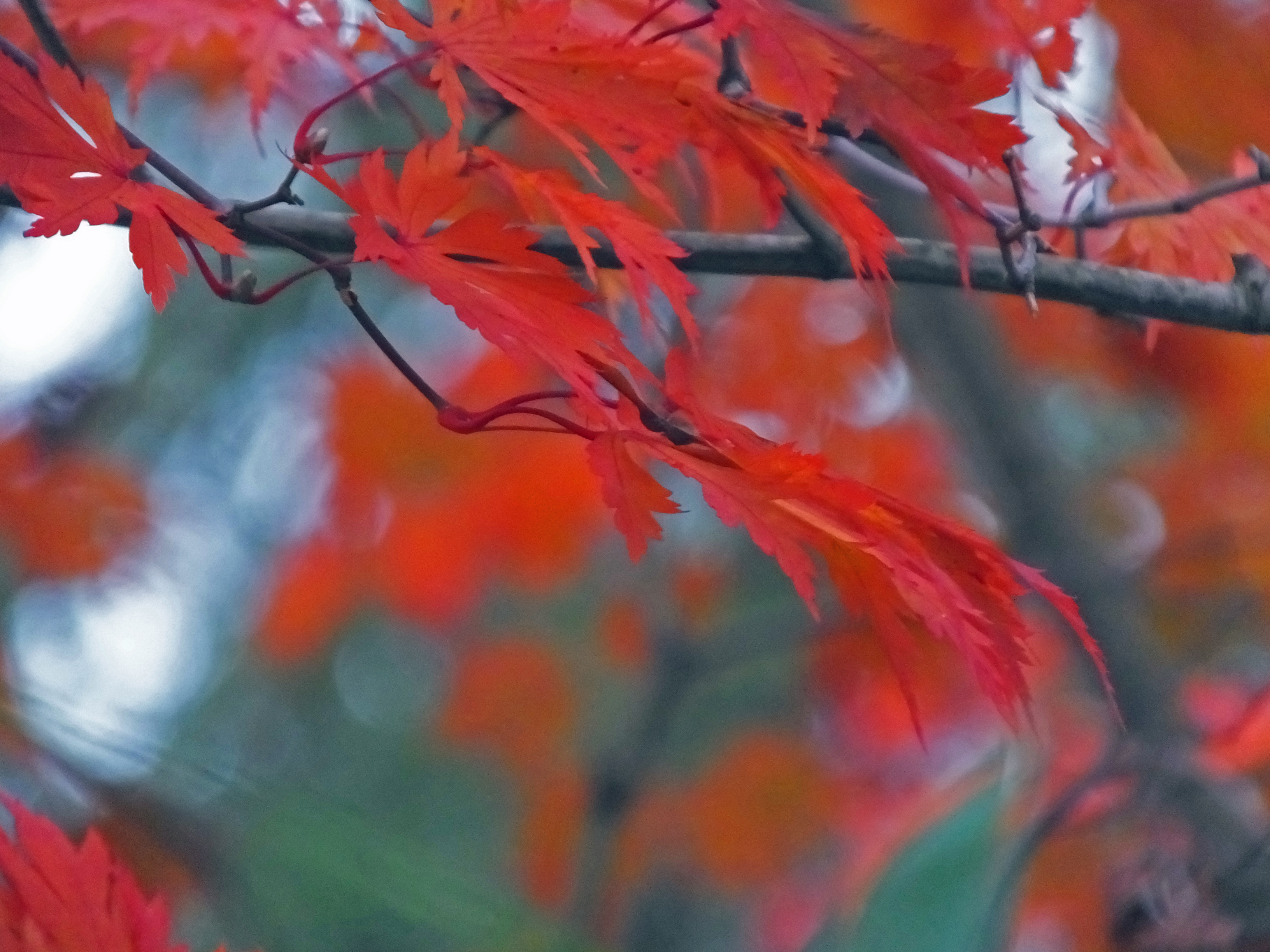
(Click to enlarge)

(Click to enlarge)

(Click to enlarge)

(Click to enlarge)
Informal art show


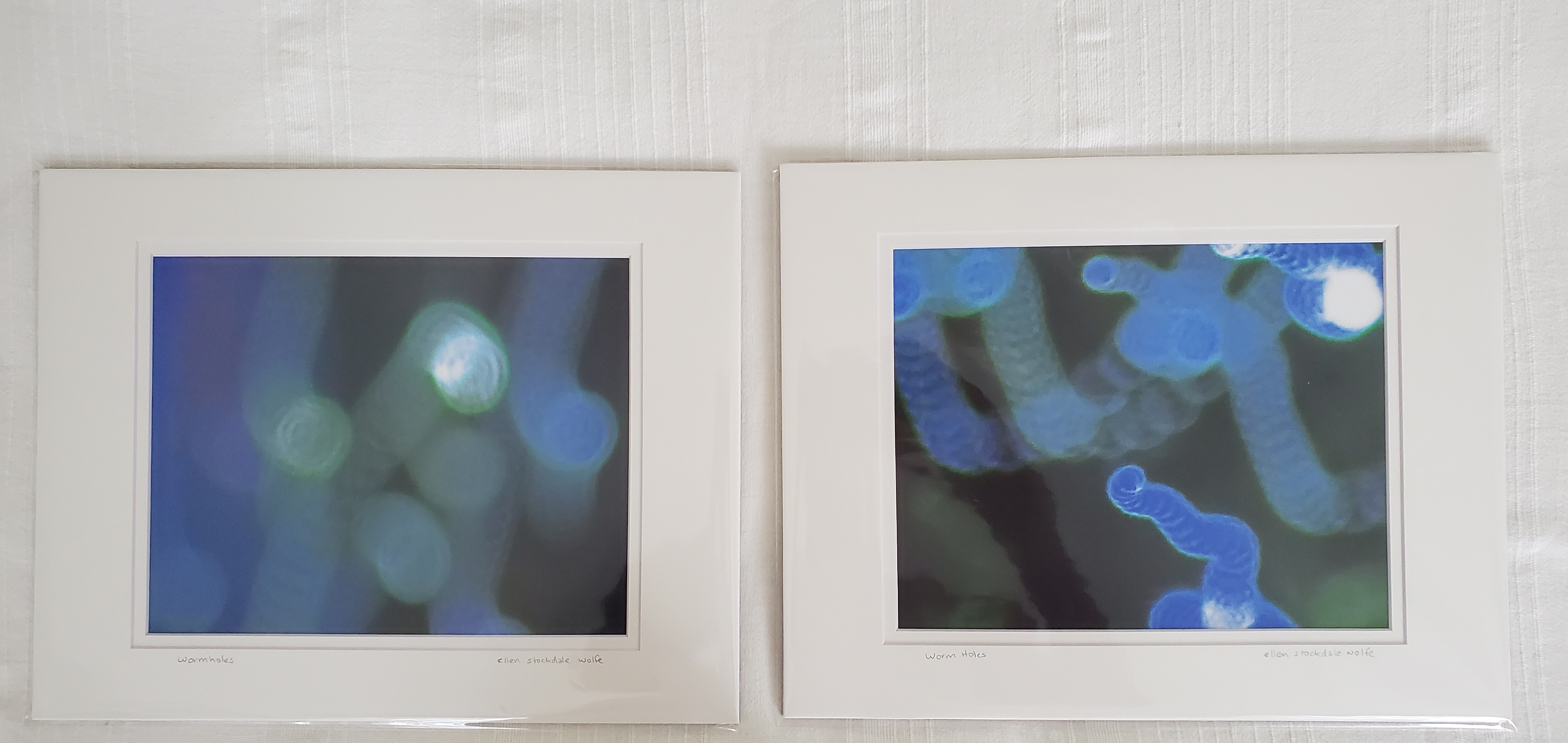
An informal art show of photographs and photographs of original paintings before they go as a donation hopefully.
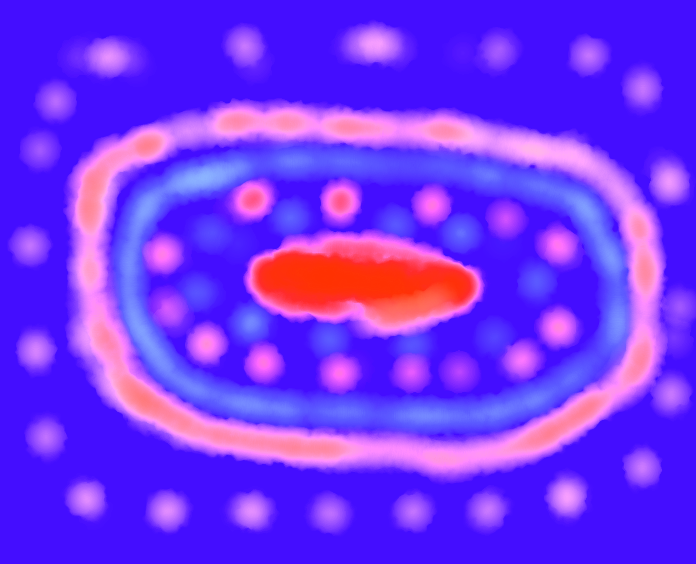
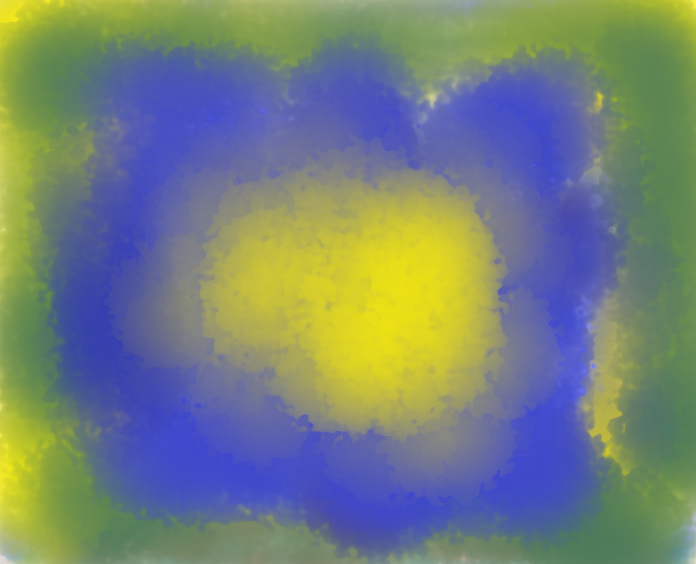
The Magic of Water
(Continuation of exhibit from previous post.)
“Jupiter”
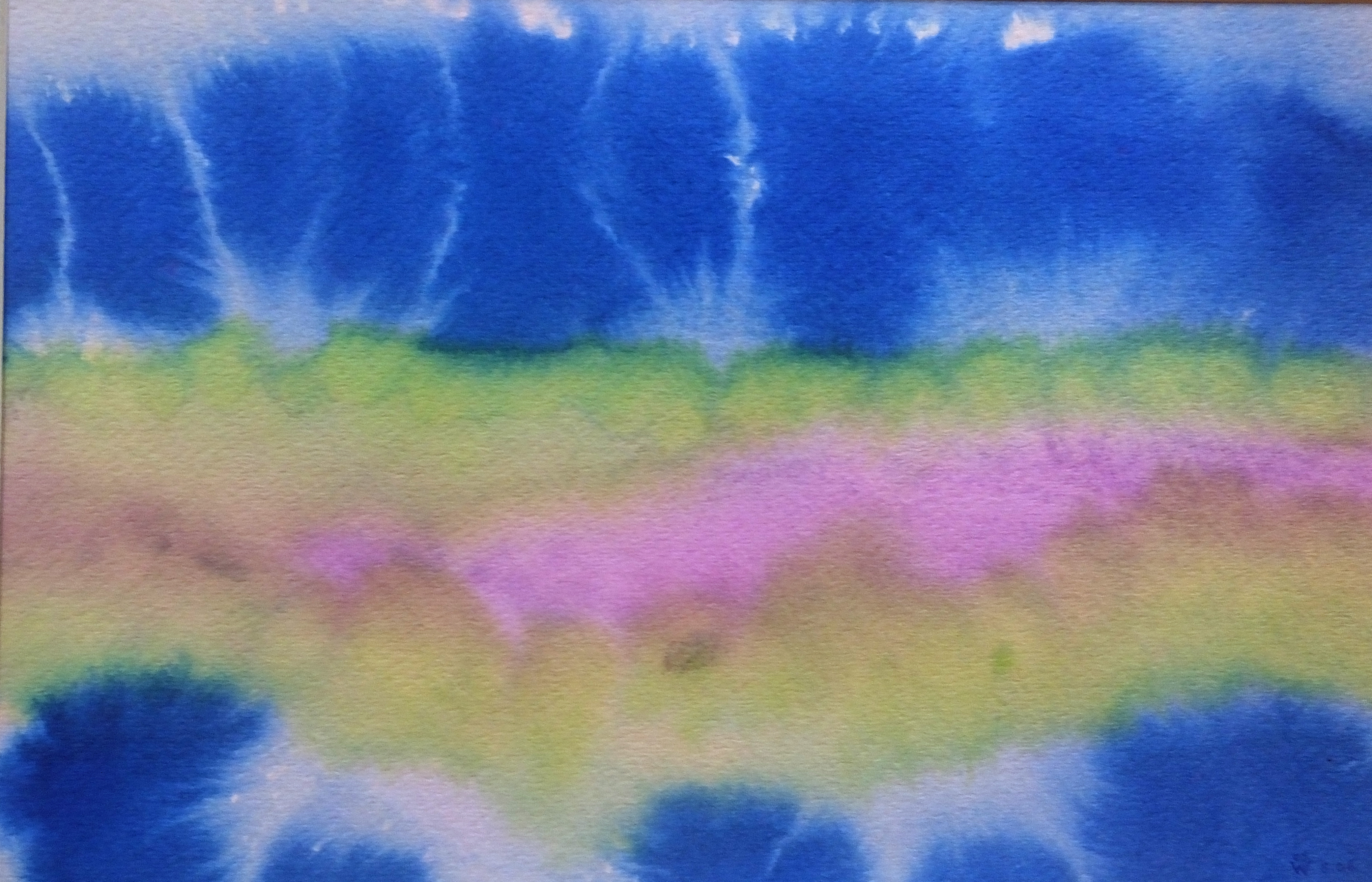
“Rose Hills, Blue Trees”
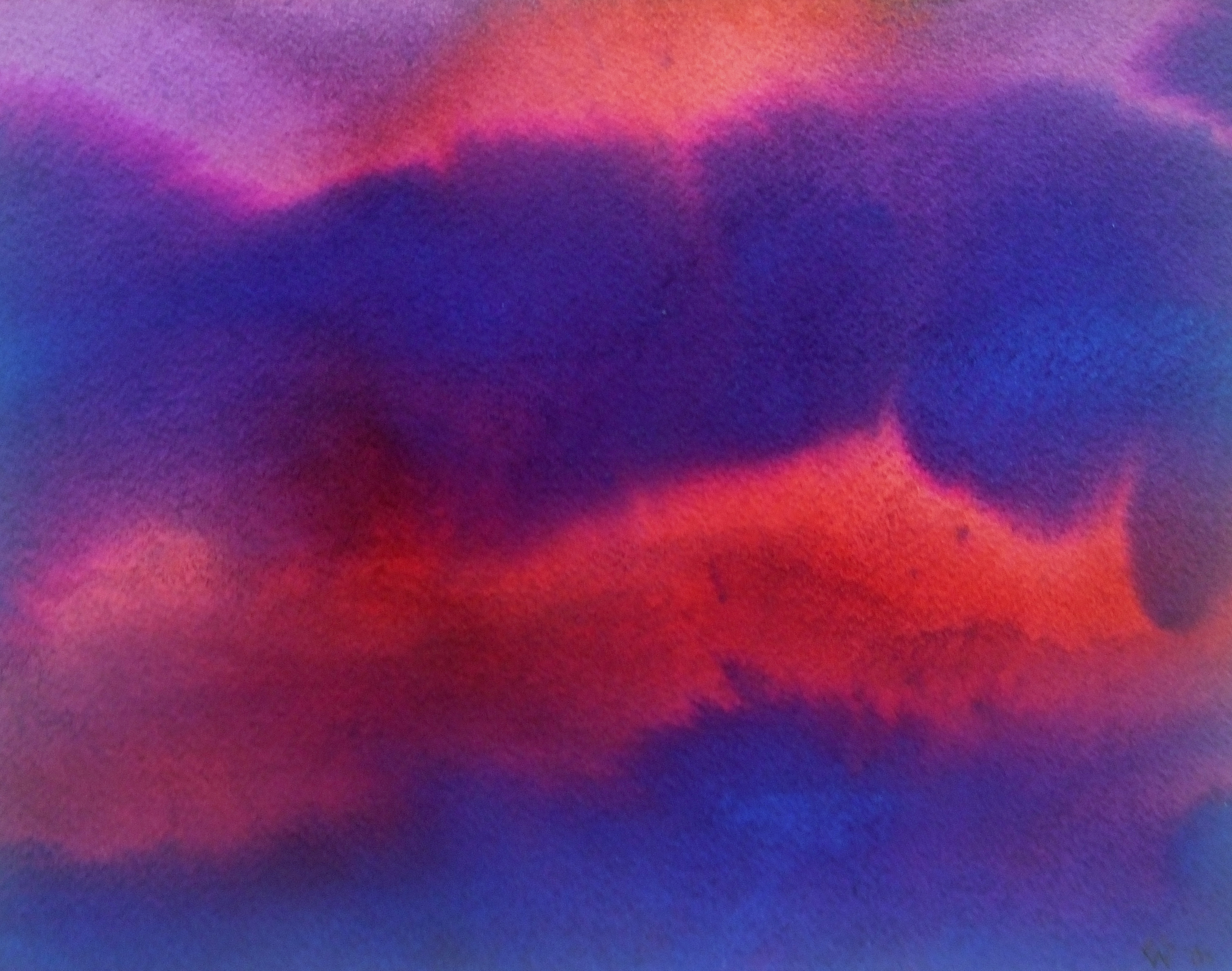
“Summer Heat”
“Water in its natural state shows us how it wants to flow, and we must obey its wishes.”
–Viktor Schauberger
Water is the medium. Water is my brush. Using watercolors on wet paper, I allow the water’s capillary action to “suggest” an image from the natural world and then work with it, using a variety of methods. I have sought to capture scenes from nature with dazzling, bleeding color. The paintings are an exercise in “letting go” and allowing the creative energies to flow, after preparing the mind through meditation.
As abstractions, the paintings are personal visions—the impressions of light and color and thus do not always appear as they exist in the natural world. However, since landscapes are my passion, the results most often appear within the realm of that genre.
Finally these paintings, as renditions of nature, are reflections of the magnificence of the shimmering wilderness and thus, in some small measure, are my own awestruck reflections on the majesty of creation.
The Magic of Water
(Scroll down to see some paintings from this exhibit.)
“Water in its natural state shows us how it wants to flow, and we must obey its wishes.”
–Viktor Schauberger
Water is the medium. Water is my brush. Using watercolors on wet paper, I allow the water’s capillary action to “suggest” an image from the natural world and then work with it, using a variety of methods. I have sought to capture scenes from nature with dazzling, bleeding color. The paintings are an exercise in “letting go” and allowing the creative energies to flow, after preparing the mind through meditation.
As abstractions, the paintings are personal visions—the impressions of light and color and thus do not always appear as they exist in the natural world. However, since landscapes are my passion, the results most often appear within the realm of that genre.
Finally these paintings, as renditions of nature, are reflections of the magnificence of the shimmering wilderness and thus, in some small measure, are my own awestruck reflections on the majesty of creation.

“Acid Rain”


“Night Forms”









 MOONSIDE
You must be logged in to post a comment.