When the Walnut Leaves Begin to Fall
(First published September 2023)
It is the school-imposed end of summer, Labor Day weekend has come and gone and I am looking forward to Fall. It is not good to be this way. Ideally one should be living in the present… for that is all we have. I have yet to overcome my way of thinking to that which the sages and avatars preach.
A breeze shimmers through what I call (in my ignorance of the real name) the penny tree for when the wind blows the leaves look like so many pennies shimmering down from Heaven. The sun is so hot it tingles on the skin– yet it is not the strong sun of July that burns quickly. The angle of the sun in its diurnal slant is different. Summer is definitely slipping away.
The bees, wasps and yellow jackets are having a heyday in the goldenrod, Joe Pye Weed and Purple Loosestrife. The marsh is thick with flying insects going this way and that. My eyes capture swallowtails. Happily the monarchs are still here. A turkey vulture circles overhead. Some carrion must be nearby. Earlier we saw two golden hawks fly sunlit into the back field. A wisp of a cloud floats by in an otherwise perfectly blue sky. This summer has flown by in the blink of an eye like a fritillary flits by the flowers in the marsh.

The smell of fresh cut lawn is intoxicating to my raw senses. Soon the grass will cease to grow and the lush green will look washed out. All of its inhabitants in the metropolis beneath our feet will dig deep underground or turn off their bodily systems to overwinter– an amazing concept to a mammal. Some fill their bodies with a type of antifreeze. Nature never ceases to astound. This summer I have made my peace with the insects. Terrified of them as a child I have come to love and respect them, indeed hold them in awe for the feats they accomplish. Our accomplishments pale as humans, supposedly so superior.

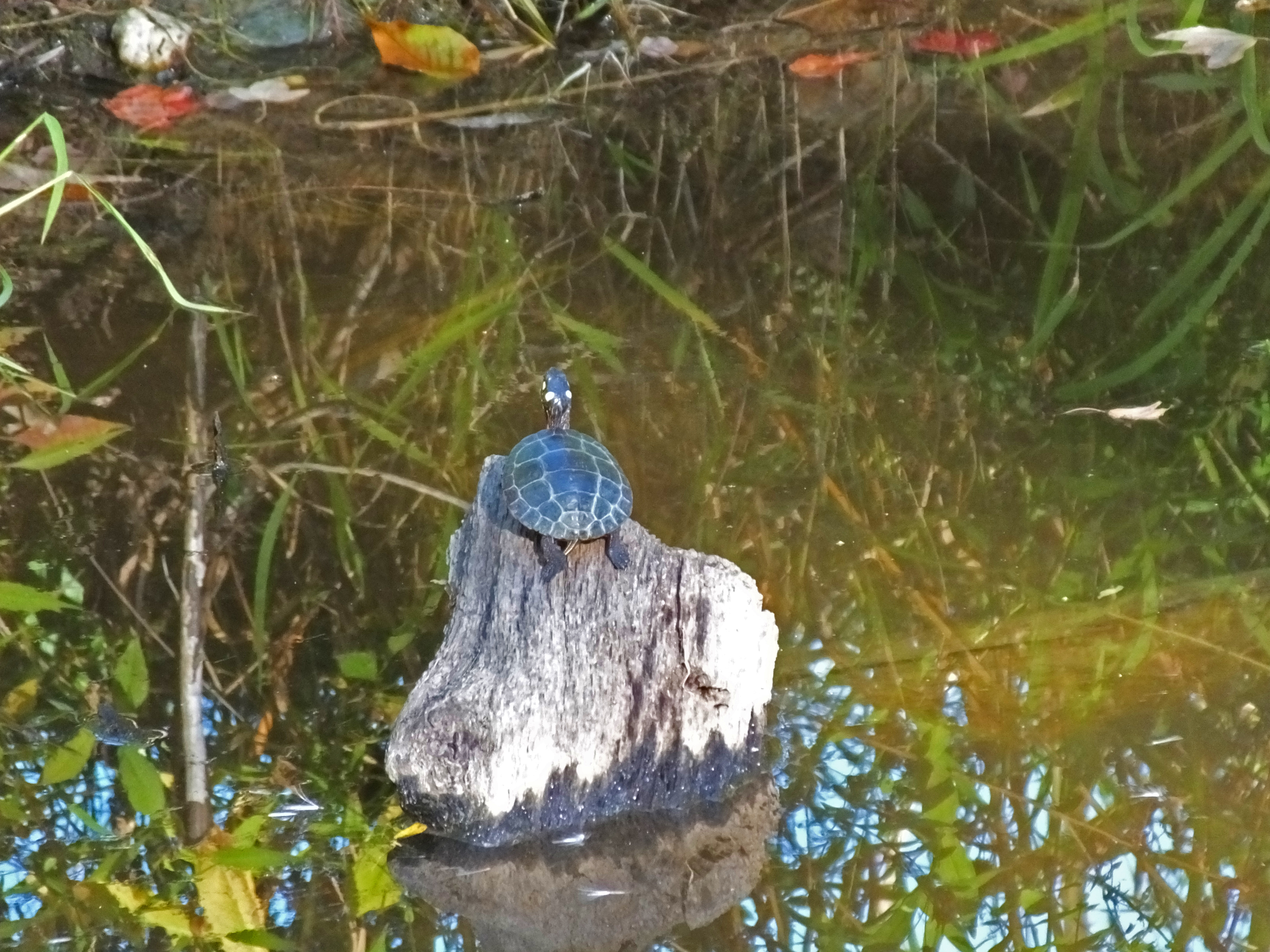
No longer do I see turtles sunning on rocks or snakes coming out to bask in the heat of the road. Some species of birds have left already– unbeknownst to me. I just know that some I used to see are gone and the bird song of the spring mating season is a fleeting memory. One lone humming bird flies around the marsh intermittently, causing frantic excitement upon spotting him.

It is the time to dead head the flowers of summer. It is the time of Black-Eyed Susans and Peonies and Sebum. And soon it will be the time of the Mums.
With each gust of wind yellow finger-like walnut leaves shower down on our heads– like large yellow snowflakes– a foretaste of snowfalls to come. The sun’s shadows grow long as twilight is near. Soon the white cloud “lions and tigers and bears” will retire into the black cave of night. And the summer will die and in dying, give birth to fall. The comfortable rhythm of the changing season beats in our sometimes unhearing hearts.

"God shows His handiwork in the beauty of creation, but doesn't reveal that He Himself is hidden there."
Paramahansa Yogananda from Self Realization Calendar “Inner Reflections” November/December
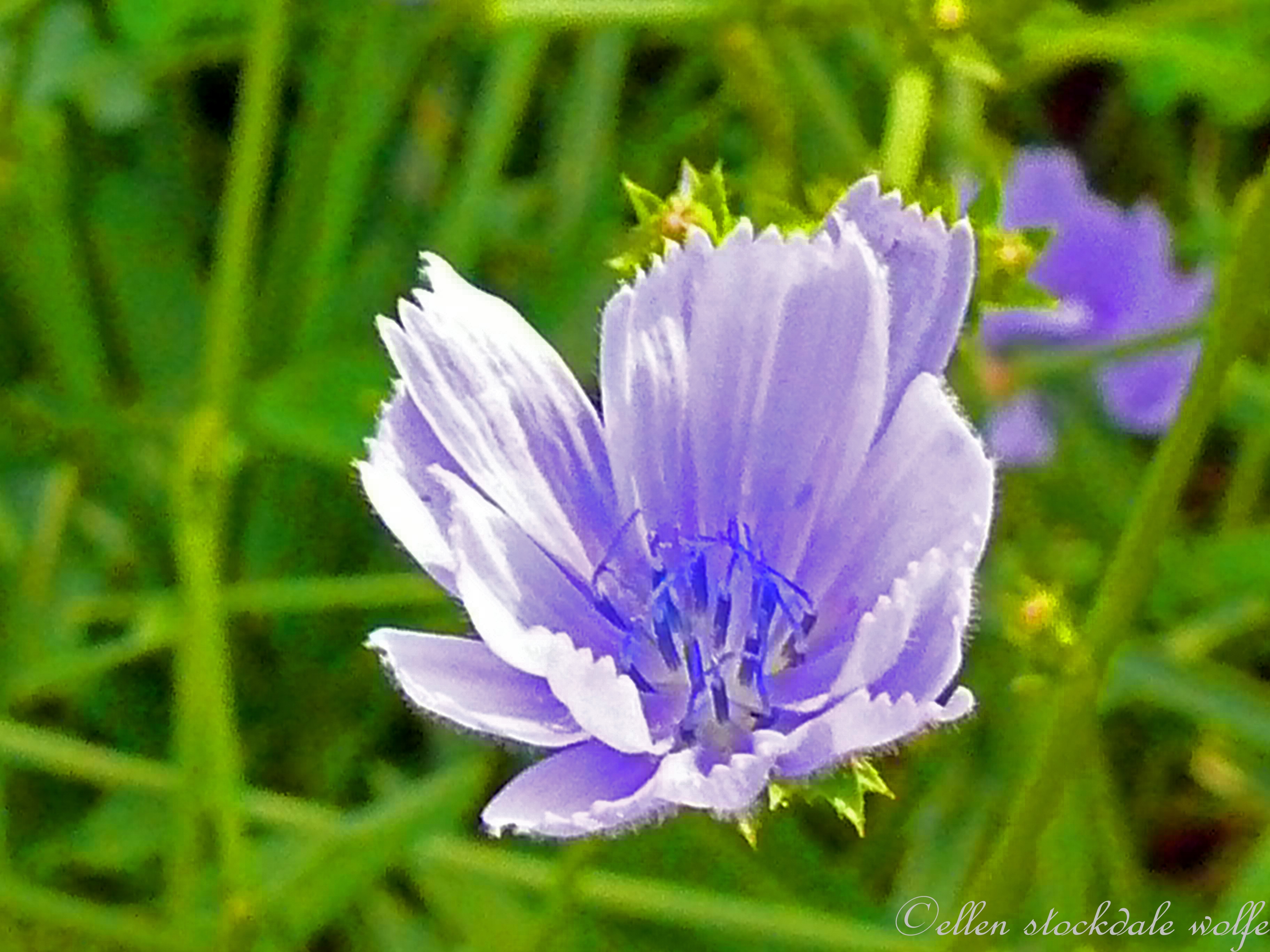
“I beheld Thee hiding in a flower”*
” …The mystery of life and immortality lay in the pollen; and Thine infinite touch transfigured the breast of the bee tasting Thy sweetness.
Oh, reveal to me the wonders of creation, Thine endless secrets that even the tiniest roadside weed bears in its bosom!”
*from “Whispers from Eternity” by Paramahansa Yogananda, p. 220.
The Return of the Animals
“Gradually extend the boundaries of the glowing kingdom of your love to include your family, your neighbors, your community, your country, all countries– all living sentient creatures.”
Paramahansa Yogananda
We rejoice at the spring bird-song of the mating season during the day now that we have the spring peeper choruses at night… some of the most beautiful sounds on the planet. We search every rock in every pond, looking for turtles sunning. The first opossum of the season appear and what a thing of joy it is. No longer is he cringing in some nest of wood and leaf debris for shelter from the cold. He is running past our door to find a mate. All round and rotund.
Animals work their unique and miraculous magic on depressed souls and bring joy. Animals are natural anti-depressants… how a child’s face lights up with joy to touch an animal or observe one up close. Adults, too, are wooed by their innocence. Animals bring enchantment, enrich our lives. That is why therapy dogs and other animals do such good work in hospitals, prisons, hospices for the dying, wherever there is misery.

The return of the animals brings music to the air, replacing the ominous gale winds of winter and the blanketed silence of snows. Insects hum and buzz. Birds sing and chirp. Windows are opened wide to allow sweet- smelling, soporific breezes to blow through our houses. Little green shoots become beautiful flowers in our gardens, along side roads, in the fields. Trees come to life again, gods of greenery. Fat, red-breasted robins perk up the lawn in their search for worms. And we no longer have to worry about animals starving. The deer we see mid-March in groups, scavenging for food are thin and weak. And the squirrels have run out of their stores as well, raiding the bird feeder which they normally leave to the birds. A late Spring means animals will starve and die with no edible items.


And yet, with all the pleasure the return of the animals brings us, do we welcome them with open arms? No, we fumigate our land and spread pesticides all over their territory. Many species of birds are heading towards extinction due to our use of pesticides and, generally speaking, our “development” of the land. We destroy vernal pools, thinking them mere puddles rather than the breeding place of frogs and salamanders. We take the babies of spring– the lambs, the calves– away from their mothers and slaughter them. Sometimes with abject cruelty, in full view of the mothers. The mothers wail in anguish. We break bonds stronger than the supposedly solid bond of human matrimony that nowadays fails as often as it succeeds.
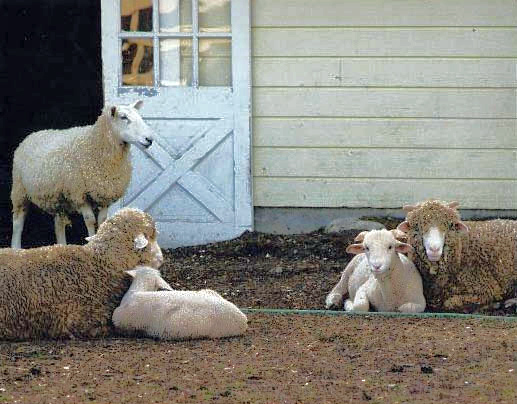
In The Letter Writer, famed author, Isaac Bashevis Singer wrote: “In his thoughts, Herman spoke a eulogy for the mouse who had shared a portion of her life with him and who because of him, had left this earth. “What do they know–all these scholars, all these philosophers, all the leaders of the world–about such as you? They have convinced themselves that man, the worst transgressor of all the species, is the crown of creation. All other creatures were created merely to provide him with food, pelts, to be tormented, exterminated. In relation to them, all people are Nazis; for the animals it is an eternal Treblinka.”
This is how we repay those who bring us such joy, such love, such purity– those who uplift, save lives, care for us. It has been said that a dog is the only creature who loves his caretaker more than he loves himself. Dogs have it over us in this.
Spring is here and, with it, the return of the animals. Without them, as Rachel Carlson warned, it would be a “silent spring”.
The Inner World of Flowers
(Click to enlarge all photos)
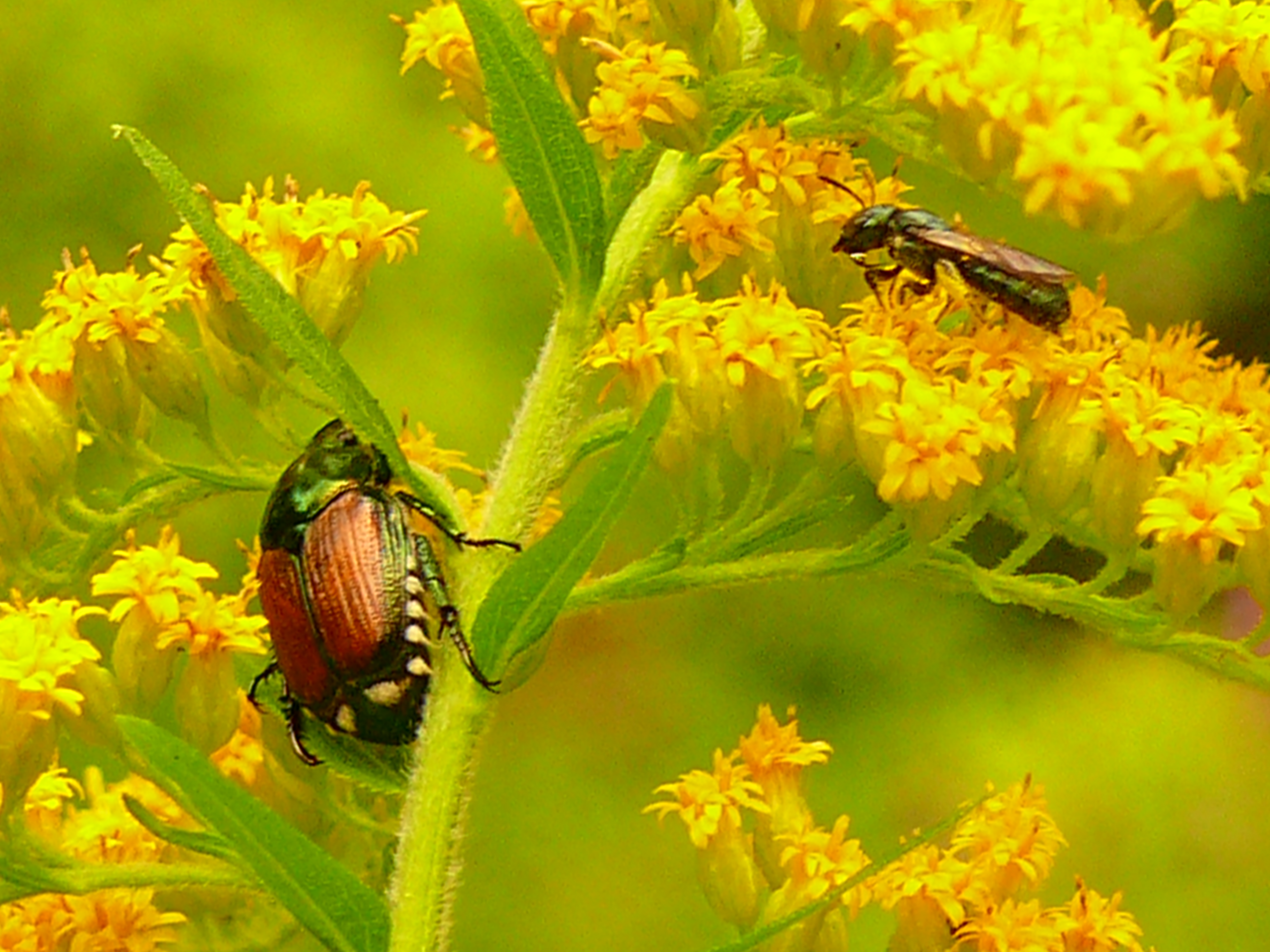
Beetle and Fly in Goldenrod

Fly in Asian Lily

Fly in Asian Lily
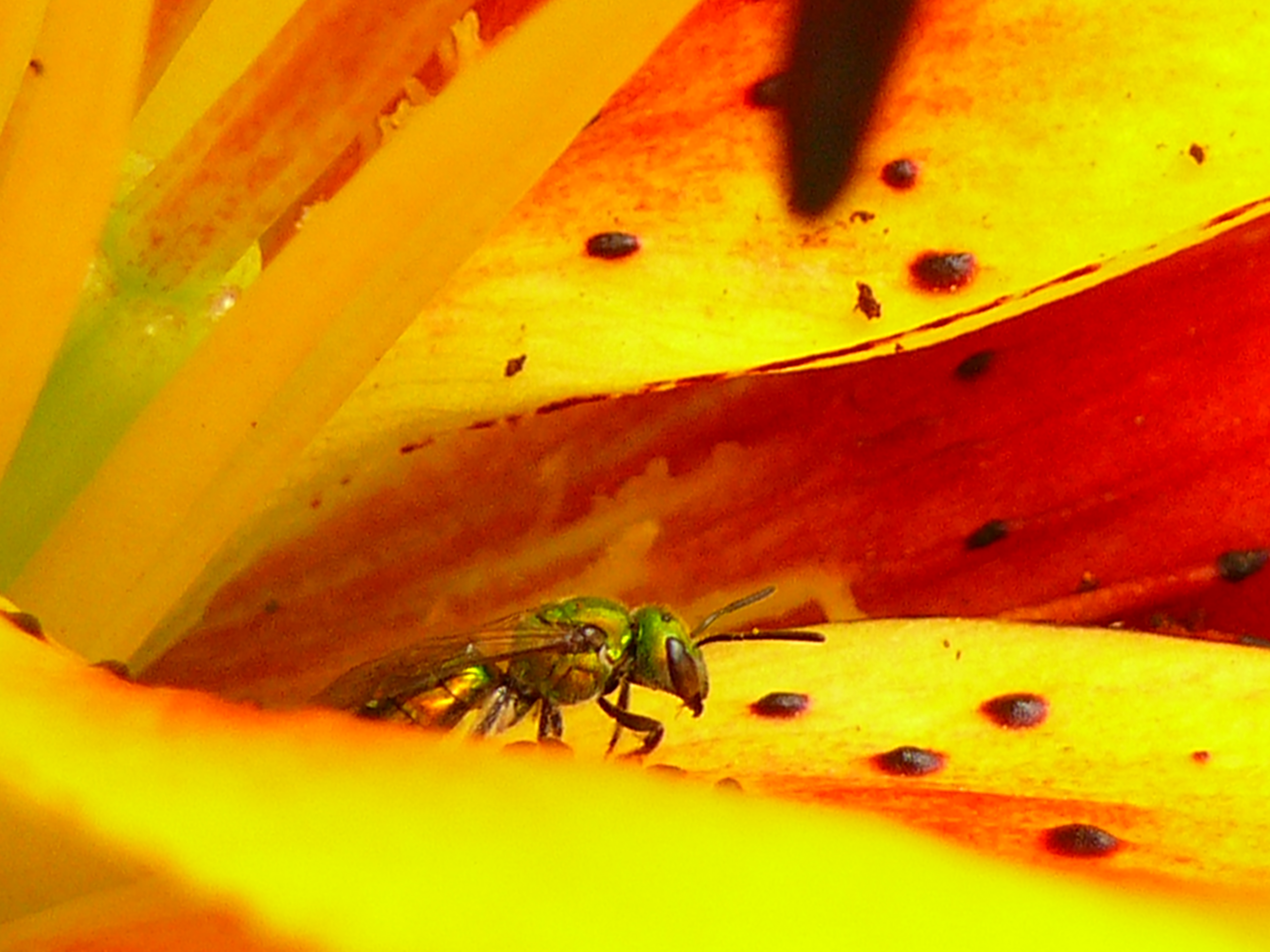
Fly in Asian Lily

Ladybugs in Weeds

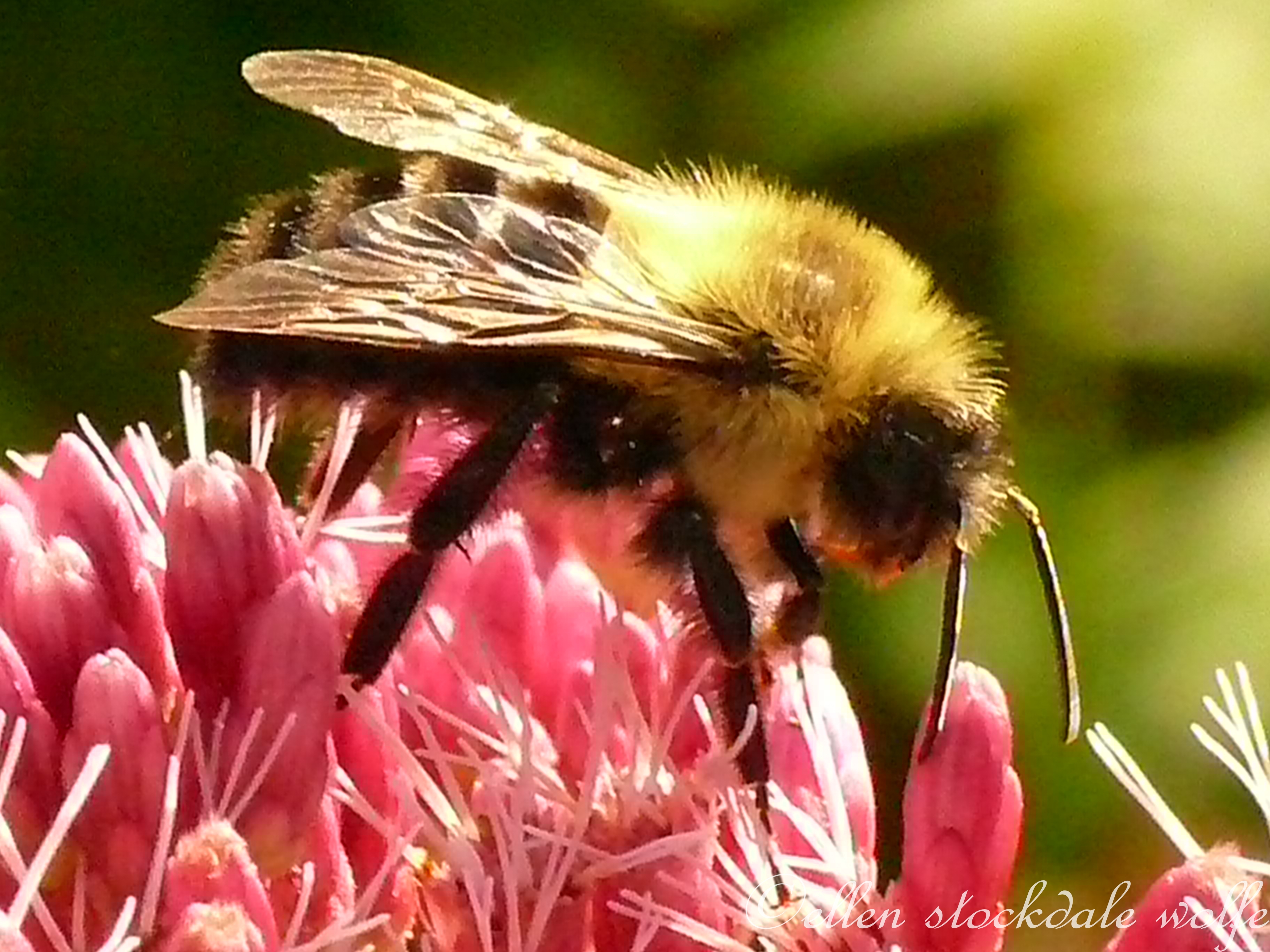
Bee in Joe Pye Weed

Snail and Ant on Leaf
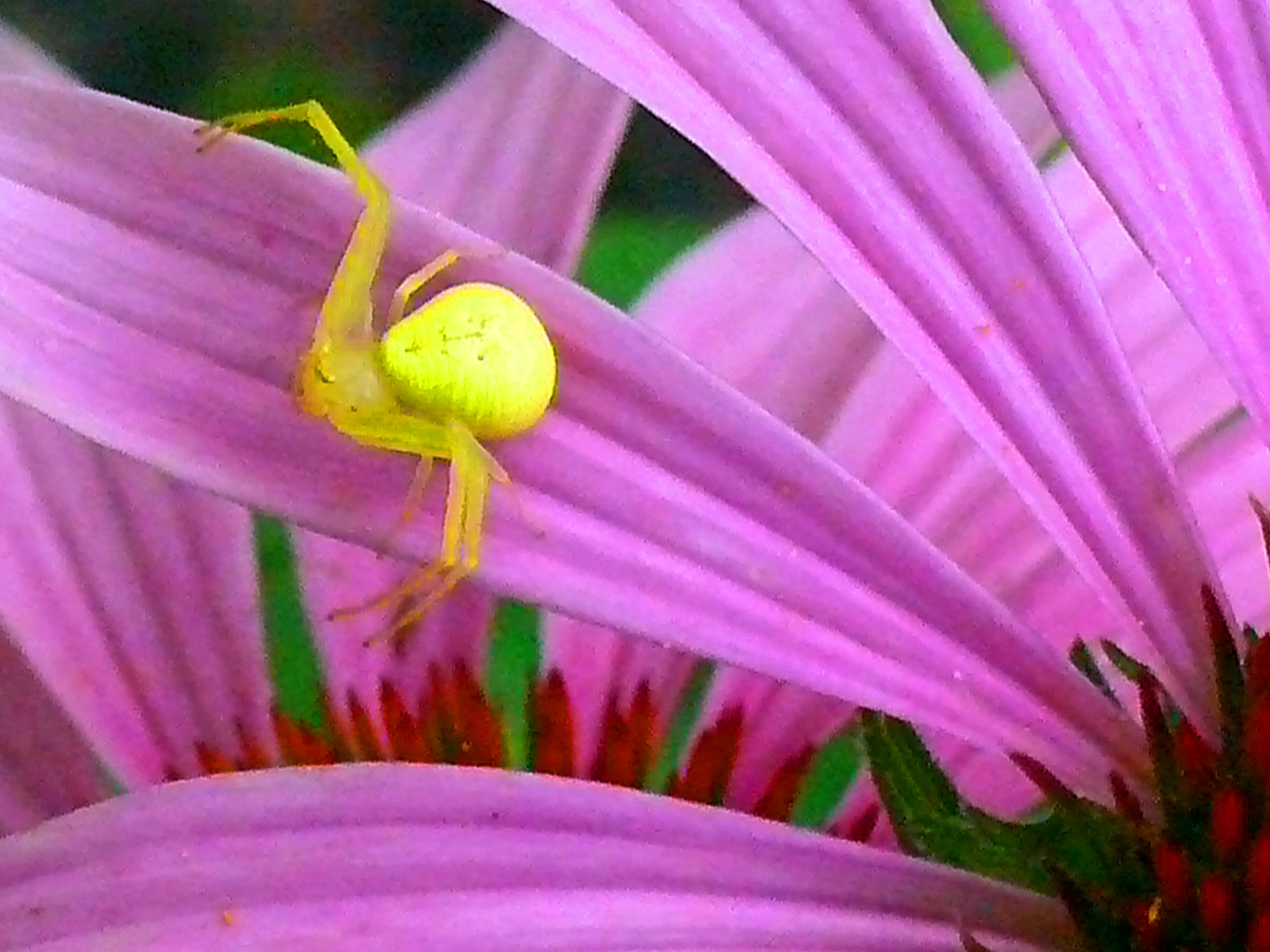
Spider? in Dahlia

Katydid in Wilting Dahlia

Butterfly in Joe Pye Weed
Sounds of Summer

(Click to enlarge photos)
Coming out of the winter silence– a silence so deep that one can hear the sound of one’s own nervous system– slowly nature’s musicians warm up in Spring. Gradually they gather and by summer we are hearing the full orchestra of the wilderness. There are so many sounds, one might talk of layers of sound.
Distant sounds waft through the air like a bank of clouds floating towards us. We hear the raucous cry of a murder of crows flying over some carrion far off in the forest. We hear the dogs down the road barking at some intruder into their world. From deep inside the dark woods comes the unmistakable throaty call of a turkey. And from the field across the way, the cooing of a dove.
And then the sounds of nearness, so familiar perhaps we no longer notice them: The wind blowing through the dark green summer leaves, each type of tree with its distinctive rustle. The chirping of sparrows and other frequenters of the back yard. The whine of a pair of grackles. The frequent complaint of the ever-present blue jay. The crystalline voice of a yellow warbler singing an aria. The plaintiff cries of a gaggle of geese flying far above. While in a nest under the eaves fledglings squeak waiting to be fed.
Bumblebees buzz across the lawn, miraculously defying gravity with their weight and size. They mix with the menacing whirr of wasps in a huge nest overhead. Flies and mosquitos hum literally in our ears as the occasional vibrating zum of a humming bird, jewel-like in the sun, flies around in the Joe Pie Weed. Dragon and damsel flies whizz by and hover in the air, occasionally even landing on us. All this reaches our ears above the constant background drone of crickets and cicadas.
As the day progresses, the late afternoon brings the intermittent twang of wood frogs hidden in the bushes, calling to each other from all directions. It seems we are surrounded by wood frogs and tree frogs who have replaced the frenetic, unceasing peeps of the spring peepers. Bird song reaches a crescendo and then dies down to silence for the night. The day sounds are replaced at night by the haunting hoo-hoo of a very close, but invisible, owl. The occasional crying baby sound of a bobcat cuts through the cricketed silence, and in the full moon the poignant howling of coyote fills the black night air, illuminated by silent fireflies.
And then there are the sounds of man and his machines. Noise pollution. Lawn tractors, airplanes, cars on the road, all terrain vehicles, weed wackers, motorcycles, trucks, lawn mowers, steam shovels. The list continues and grows in strength drowning out nature’s sounds of summer. With natural habitat dwindling, all the creatures of the wilderness are dying out or moving to last holds of their breeding grounds. Villages have become cities, masses of land covered in concrete and asphalt and steel, punctuated by tiny pockets of manicured nature.
Certain species of frog are becoming extinct around the world. The bee populations are dwindling leaving us to wonder who will pollinate the flowers. And the songbirds are dying out. Conservation biologist, Bridget Stutchbury in her book, Silence of the Songbirds, says this is partially due to habitat loss and predation but she believes the real culprit is pesticides. She says we are losing barn swallows, Eastern kingbirds, Kentucky warblers, bobolinks and wood thrushes. Pesticide can kill 7 to 25 songbirds per acre of application. As Stutchbury says we can stop this destruction by buying local and organic produce, in-season food and shade-grown coffee. As she points out, the balance of ecosystems is at stake because birds eat the caterpillars that fell forests. “If you take birds out of the forest, bugs are going to win.”
Though the current state of affairs looks grim there are activities one can do online to safeguard the future of the wilderness and its inhabitants. On one website you can click for free every day to give food and aid to animals. The address is http://www.animalrescuesite.com. On other websites, if you click on the “take action” button you can become involved in lobbying for animal rights and conservation of the wilderness with a modicum of effort, signing a letter, for example. And although you absolutely don’t have to, you can always make a donation. A select group follows …
http://www.sierraclub.org (The Sierra Club)
http://animallegaldefensefund.org (The Animal Legal Defense Fund)
http://farmsanctuary.com (The Farm Sanctuary)
http://www.peta.org (People for the Ethical Treatment of Animals)
http://humanesociety.org (The Humane Society)
http://defendersofwildlife.com (Defenders of Wildlife)
Add your voice to the sounds of summer, speak for those who can not, and insure the future of the symphonies of summer.
Welcome to samples of my work in various art forms showcasing “Eye-locks and Other Fearsome Things.” “Eye-locks” is a Bipolar/Asperger’s memoir in narrative form that describes the triumph of love over mental illness.
Bees Buzzing, Fuzzing and Fading
Beautiful fuzziness going strong
But not for long
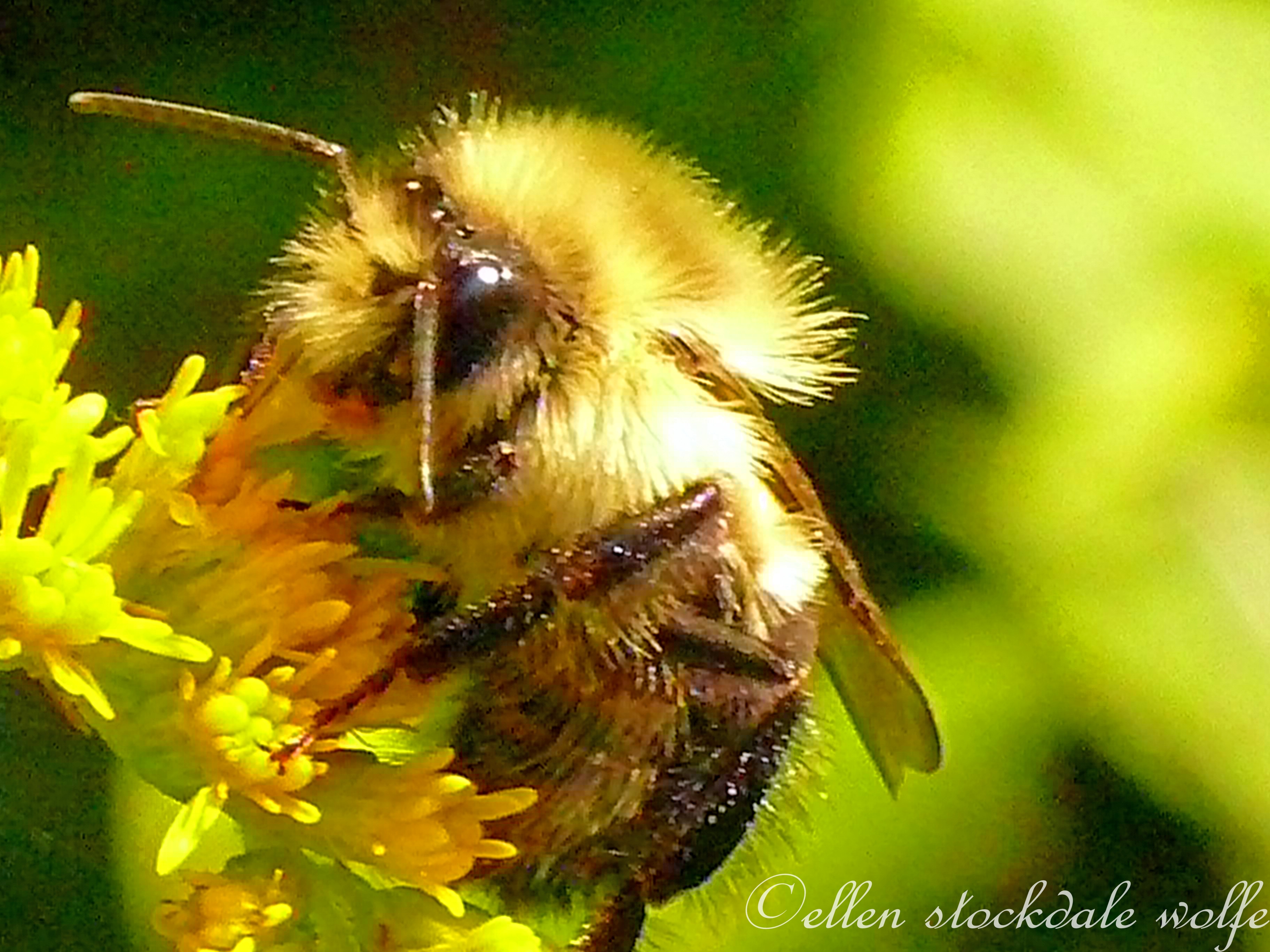
Fading fast
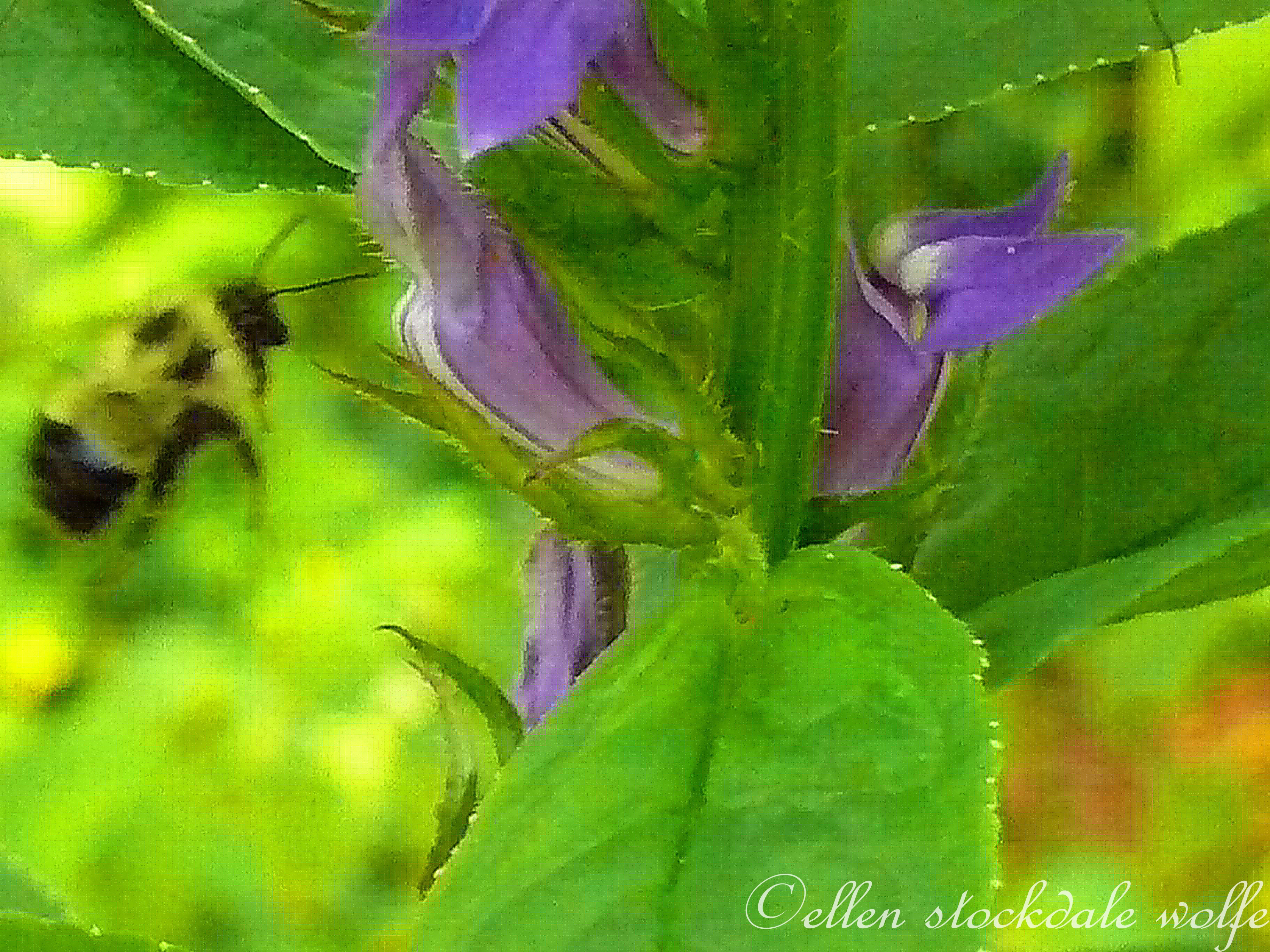
They will not last
Please act fast
and sign the petition below:
http://act.credoaction.com/sign/syngenta_bees?nosig=1&t=1&akid=11795.2247563.eaCuKn
Bee in Dahlia
Click on link below for short article on the ongoing bee disaster…
http://www.theguardian.com/environment/2012/jan/13/honeybee-problem-critical-point
My Former Life

In my former life I was a bee.
Why else would I keep sticking my nose
into the private, pollinated parts of flowers?
In my former life I was a turtle.
Why else would I hunch my shoulders
into a seeming shell, my back a carapace
to shield me from a sometimes dangerous world?
In my former life I loved thee.
How else could I account for my “knowing” you
from before the first time we met,
for “seeing” the you in your inner depths?
Some would say I risk damnation
for a belief in reincarnation.
Yet this answer satisfies me on so many levels
and requities my thirst, quieting my myriad of questions
that the old belief system did not.
Unpopular in the west,
woven into the fabric of life in the east
in which I clothe myself, sewn by a strong affinity,
a strange familiarity,
attraction mystifies.
Most of us cannot remember
the details of the other lives,
and are left with fractured fragments of the past
glistening like sea glass in our hands, on the seashores of our minds,
trying to piece together a picture
of a previous existence.
Love is timeless and mysterious
and though I dread the inevitable,
the loss of our life together
in this life,
I know we will be together again in the next and the next
ad infinitium
for something as sacrosanct as our love
is eternal.
Welcome to samples of my work in various art forms showcasing “Eye-locks and Other Fearsome Things.” “Eye-locks” is a Bipolar/Asperger’s memoir in narrative form that describes the triumph of love over mental illness.
The Intimate Intruder

Je suis tres intime
avec les fleurs
I am very intimate
with the flowers
and fear I am intruding
into their secret
world of silent sensuality
visited by bees and butterflies
and other tiny creatures
seduced by their siren song
of quiet sexuality
seductive to all
who pause to peek
inside their blooms

Dahlia Dreams

Drunk with
the nectar of you,
I fall into your arms,
helplessly inebriated
and sweetened
by your Love.









You must be logged in to post a comment.