The Flowers that Bloom in the Spring

(Click to enlarge)

(Click to enlarge)
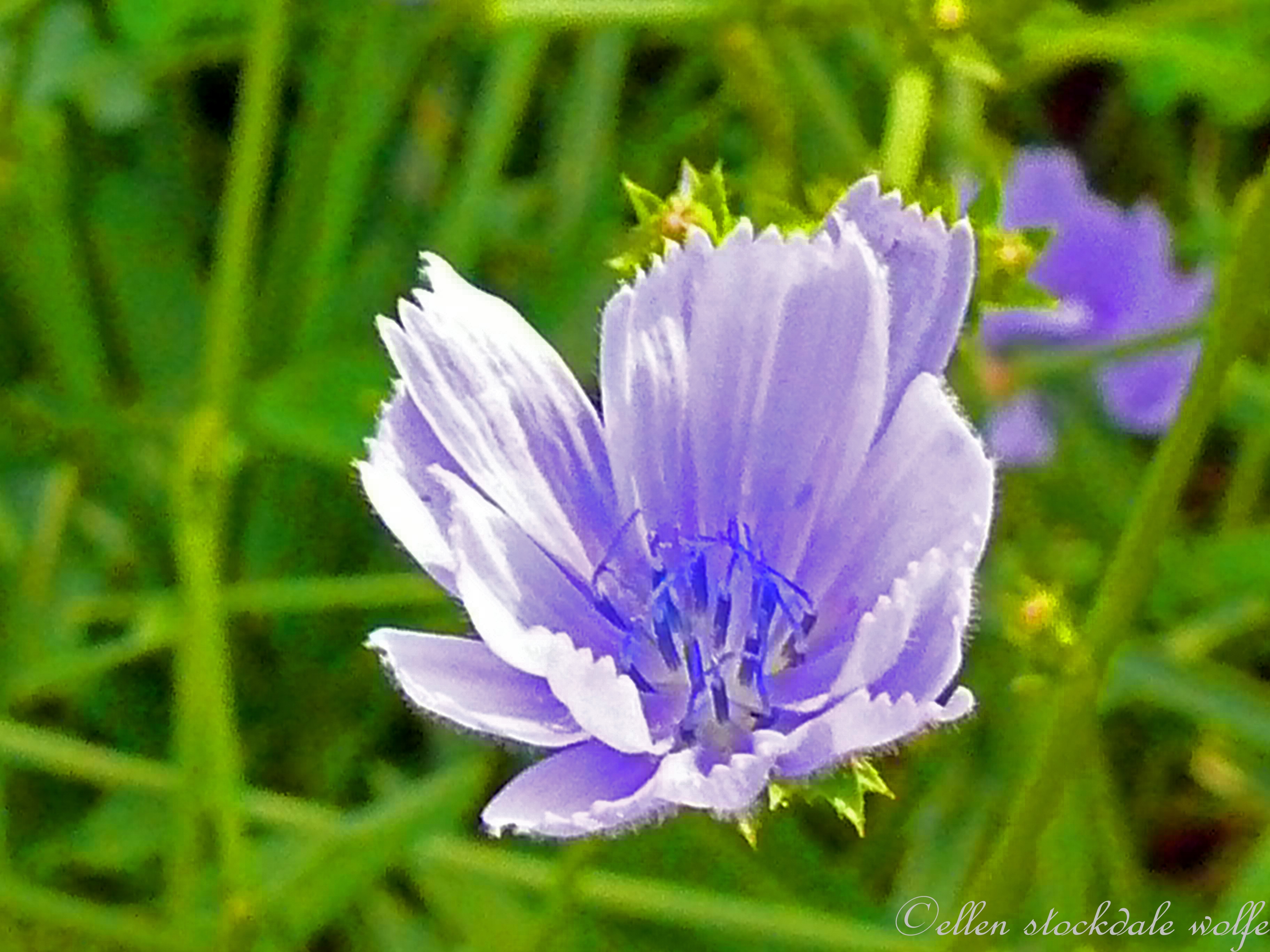
(Click to enlarge)
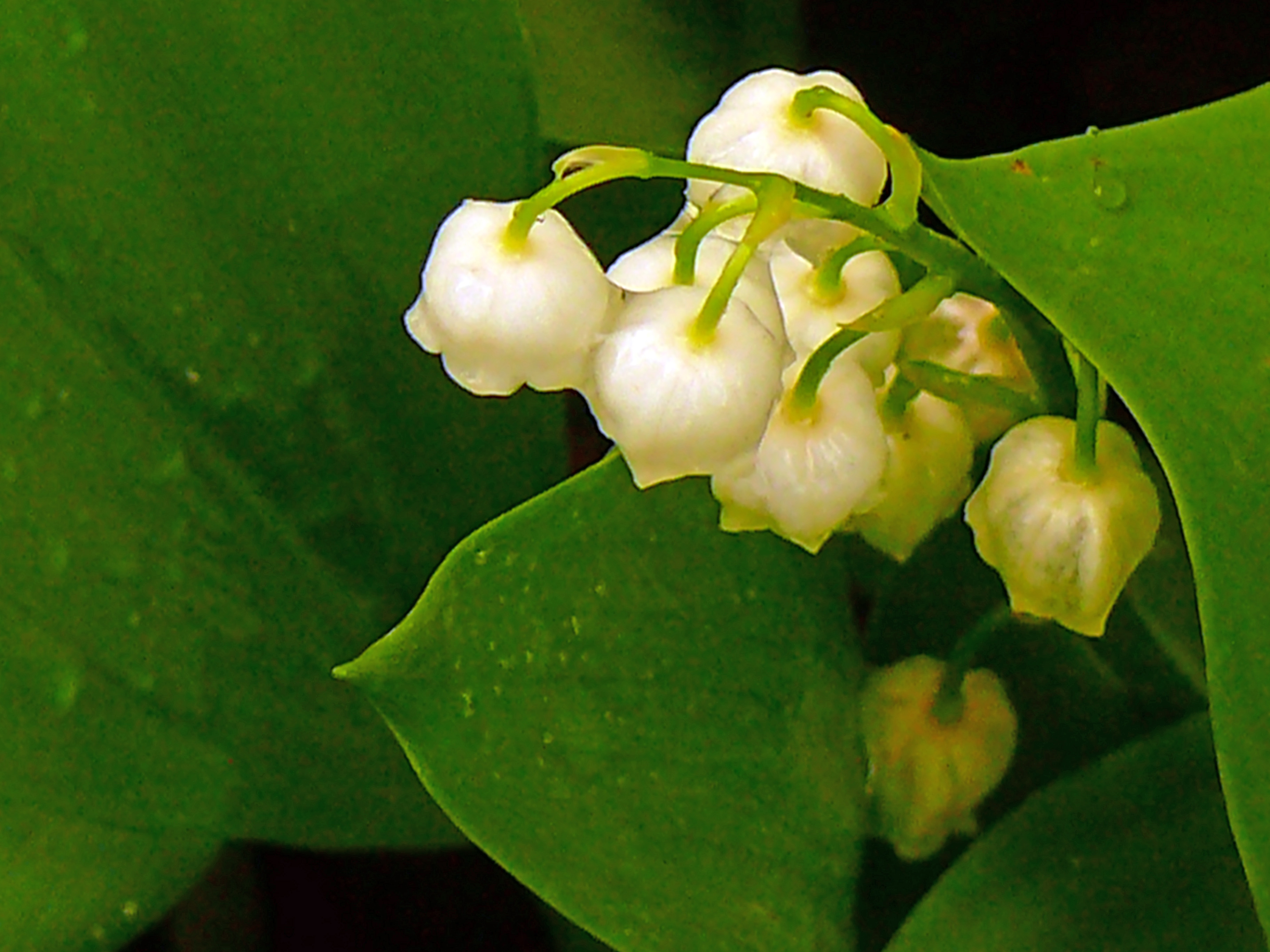
(Click to enlarge)
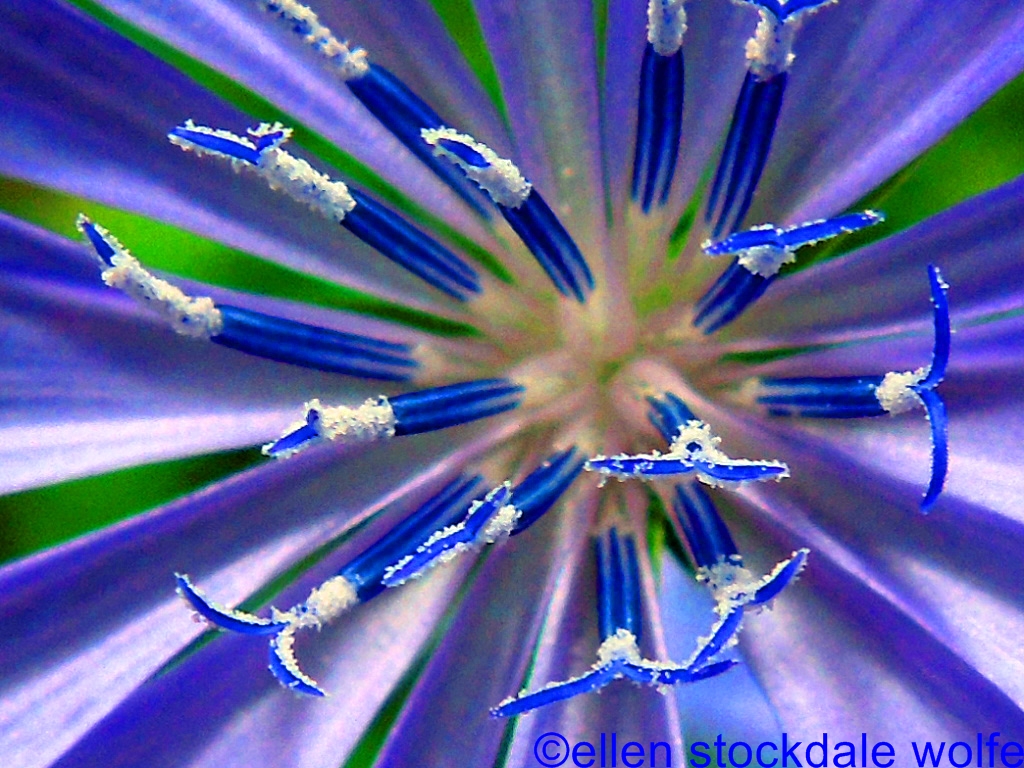
(Click to enlarge)
(This was supposed to post the beggining of May– got delayed by a case of Covid.)
Spring’s Siren Song

It is late afternoon and it is Spring by the calendar although still quite cool. And I have just spent the late afternoon listening to music. Some have likened it to the sound to bells. Others to bird song. And still others with unimaginable disdain, to “some kind of nature noise.” For me it is one of the happiest of sounds. The act of creation transformed into sound decibels for all to hear. A sound that comes from the earth and resounds to the heavens, unwittingly praising the Almighty. I hate to leave, and wish I lived even closer to the pond, so that the sound would surround me totally, filling my ears every evening with the sound of perhaps the single-most highlight of spring for me. The siren song of the Spring Peepers.
How have they cast their spell over so many? I cannot say except that their song is uplifting and filled with hope despite the natural perils they face daily. For, as true of all of us, they may die at any moment– say as a meal for a nearby perching crow or underneath murky waters eaten by a snapping turtle. They call for a mate without ceasing, without fear, single-mindedly, without a thought for their own safety. It is nature at its most elemental, in its most singular scope. They all sing out vying to be heard– so many voices. In some spots, I am told, their song is deafening. How nice to be there; I cannot get enough of their sweet music. It moves me to tears– these tiny creatures singing out their heart’s desire.
As I return home to family “situations” and domestic duties, I yearn for the simplicity of their song. Their total fervor. For if they sing then all is right in that small part of the world. Progress has not paved over their pond. Disdainful humans have not drained a “vernal pool.” David Carroll writes about vernal pools in one of his books on turtles called The Swampwalker’s Journal. As the title suggests, Carroll walks such places in search of turtles and other amphibians. He defines a vernal pool as a pool of water that fills up in Fall and Winter, swells in the Spring and often dries up by end of Summer. But a vernal pool is utmost a place of magic, not only a place where turtles lurk but where mating frogs deposit gelatinous eggs which turn into tadpoles first, and there, later become frogs. And after a requisite series of warm days, followed by spring rains, on the first dark night, vernal pools become the site of the “salamander night.” Salamanders leave their hibernacula to go for a night of endless mating and then return to leaf litter in the woods to disappear for the rest of the year. Some people who know nothing of vernal pools and their function deem them a nuisance, a “big puddle” to be filled in or drained. Some people know little of Spring Peepers except that they are “noisy,” “like some sort of insect.” Poor insects being made out to be the pesky lowest of the low. The natural symphony of hormonal, harmonic sounds sometimes falls on deaf ears.
And when, after finishing my evening chores, I try to read, I find the haunting sound of the Spring Peepers deep within my psyche, making me restless and anxious and wishing to be at that pond, surrounded on all sides by their sex song, inebriated by the unbridled joy in the air, immersed in the utter power of nature manifesting in one of her gentler forms. In the song of the Spring Peepers nature celebrates life-to-be rather than taking lives away. For most of all the song of the Spring Peepers is a song of tremendous faith, faith in love and faith that love will propagate and new life will emerge untouched by the oft destructive hand of man.
Lambing Season: Proud Mothers and Fathers and their Babies
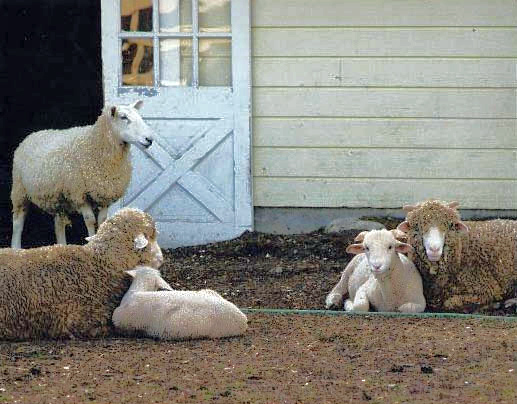
Two mothers snuggling with their baby lambs and onlooking father
(Click to enlarge)

Mother overseeing infants eating
(Click to enlarge)

Proud mother and sleeping infant
(Click to enlarge)
The Life Cycle of a Dahlia
You’re born…

You open up to life…
You blossom and your beauty…

Unfolds…

You interact with other lives…

Of all kinds…

You slow down…
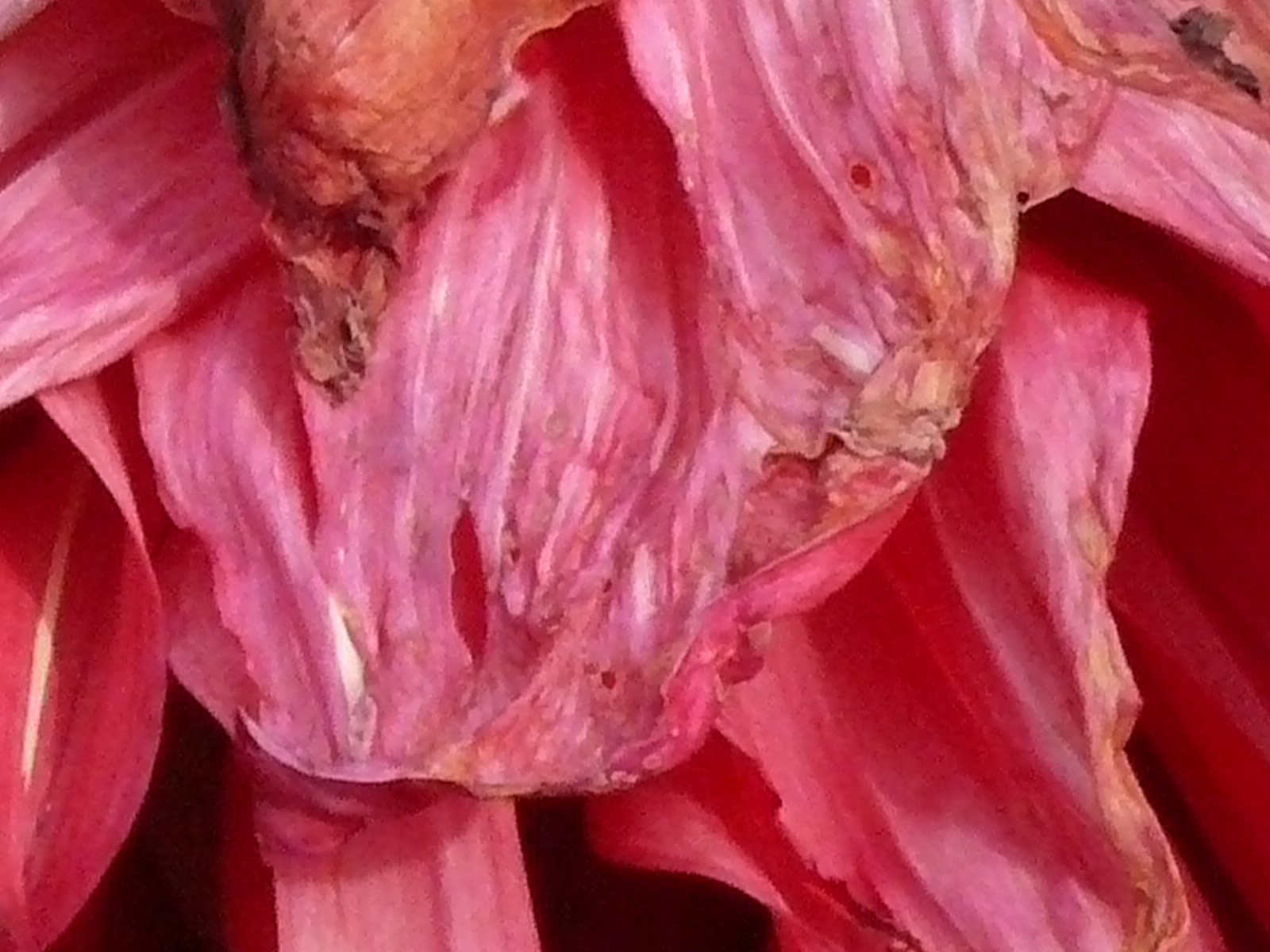
You wilt…

You get old and ailing…
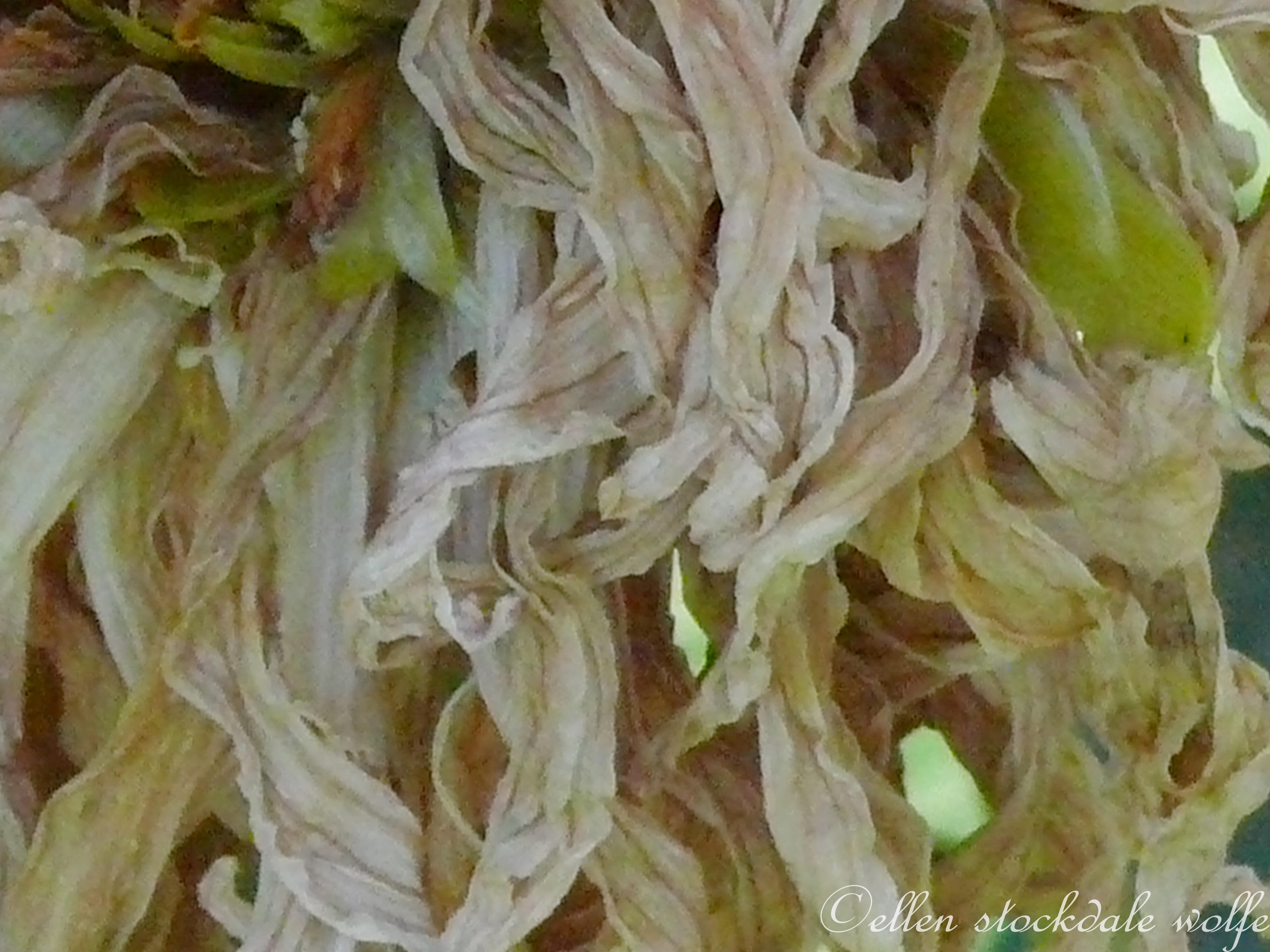
and die…

Becoming dust…
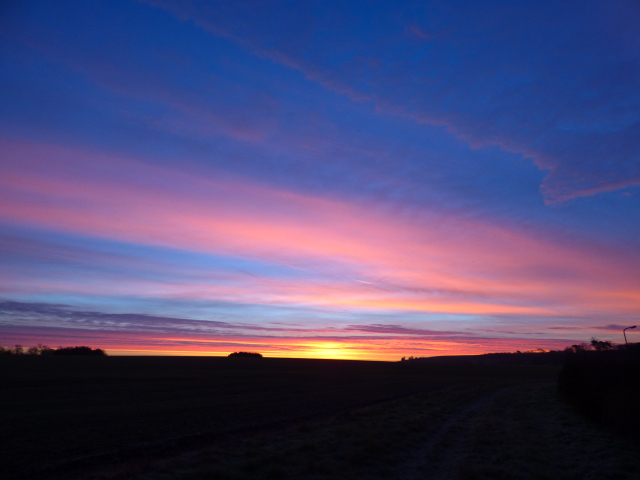
Falling to the earth in rebirth…
Good Grief
It is Springtime and I am doing my annual Spring cleaning– maniacally giving away old and unused clothes and items that no longer serve or never did. Some things I remember as I go through the linen chest– others are totally forgotten as to origin and use. And then it hits. In the corner of the chest is a neatly folded piece of green check cotton cloth. I immediately know its source. It is the cloth my Mother used to make curtains for her kitchen. Mom was always making curtains. When my husband and I were married she made curtains for our first apartment. Seeing this green check cloth brings me back to a hard period in my life when seeing my Mother was my only joy… we are sitting at the table in her kitchen having tea and laughing. It is a happy meeting… So many years ago.
And now with the sun shining and the birds singing and fresh air wafting in through the windows I am struck with a clutching stomach of grief. Tears that feel they could go on forever when I was in my fifties now are gone some 20 years later. Loss has hit again since then… a few times and those times are more sore. I let the sun beat down on me to soothe the memory.
Grief is not just a human phenomenon. Elephants will stand over the dead body of one of their herd, in some way showing respect for the departed spirit. And I think of examples close to home. The doe we saw one day going over to the dead body of a fawn on the side of the road. Or the baby rabbit we saw crossing into the middle of the road where a large mass of flesh with fur lay. And even closer to home– my husband and I adopted my Mother’s dog once Mom got too sick to care for her. Ko-ko had stayed with us many times in our house and loved being there. We never took her to see Mom again because the parting was too hard on both of them. We did take her toys though, from Mom’s house one night, and put them in our bedroom, among them a corroded rubber Santa. We were sitting at dinner that night and Ko-ko went into the bedroom. We heard a blood-curdling yelp and then whimpering. We went in and found Ko-ko with her old Santa in her mouth. The Santa was her version of my green check curtain. A stabbing wound and tears.
Clearly animals feel grief. Some die of grief just like humans. Grief binds us together, human and animal, and perhaps provides the special appeal of the new life in Spring. Yet when Spring inspires happy faces and a general feeling of well-being, and flowers are blooming everywhere, the contrast can be cruel. As T.S. Eliot so eloquently put it: “April is the cruelest month.” But once it is May the new life has settled in and we can go out in the yard and bake in the sun– the universal giver of life. And then with June… “And what is so rare as a day in June? Then, if ever, come perfect days…” (James Russell Lowell)
We humans have no prerogative on grief. Our lives entwine with happy moments and tragic in this vast web of existence, and Spring and loss are just two facets of possibility.
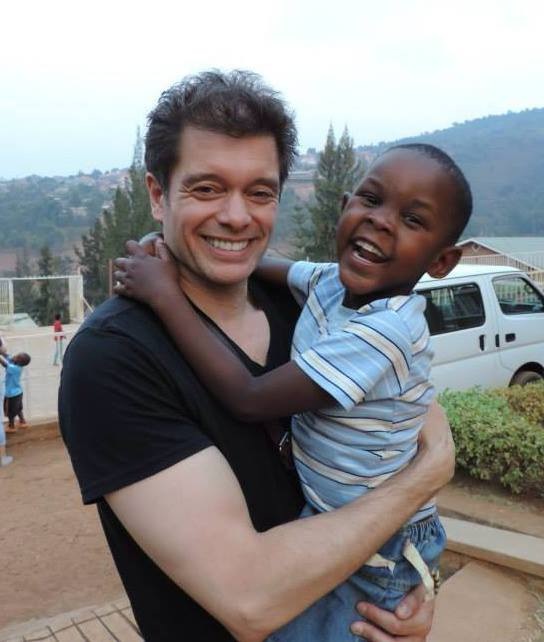
For contributions to Michael’s Makindye Foundation providing a home for street children in Uganda click on the link below. Michael and Angie appear in a photograph below the link.
https://www.gofundme.com/f/sustainability-support-for-the-makindye-foundation
The Return of the Animals

I confess to being a springtime scrooge. When everyone else is oohing and aahing over the warm weather, welcoming it and delighting in it, I cringe, knowing that, despite the fact that there are some magnificent days in April, May and early June, Spring is the harbinger of the dreaded hot-humid-hazy, lazy days of summer. Admittedly, this is a terrible attitude and a worse way to think, not living in the present at all.
April may be the cruelest month as T.S. Elliot writes, and I concur in many aspects, except for the return of the animals. Why? Because the animals work their unique and miraculous magic on depressed souls and bring joy. I once read that animals were natural anti-depressants… a very astute observation. How a child’s face lights up with joy to touch an animal or observe one up close. Adults, too, are wooed by their innocence. Animals bring enchantment, enrich our lives. That is why therapy dogs and other animals do such good work in hospitals, prisons, hospices for the dying, wherever there is misery.
The return of the animals brings music to the air, replacing the ominous gale winds of winter and the blanketed silence of snows. Insects hum and buzz. Birds sing and chirp. Windows are opened wide to allow sweet- smelling, soporific breezes to blow through our houses. Little green shoots become beautiful flowers in our gardens, along side roads, in the fields. Trees come to life again, gods of greenery. Fat, red-breasted robins perk up the lawn in their search for worms. And we no longer have to worry about animals starving. The deer we see mid-March in groups, scavenging for food are thin and weak. And the squirrels have run out of their stores as well, raiding the bird feeder which they normally leave to the birds. A late Spring means animals will starve and die with no edible items.

And yet, with all the pleasure the return of the animals brings us, do we welcome them with open arms? No, we fumigate our land and spread pesticides all over their territory. Many species of birds are heading towards extinction due to our use of pesticides and, generally speaking, our “development” of the land. We destroy vernal pools, thinking them mere puddles rather than the breeding place of frogs and salamanders. We take the babies of spring– the lambs, the calves– away from their mothers and slaughter them. Sometimes with abject cruelty, in full view of the mothers. The mothers wail in anguish. We break bonds stronger than the supposedly solid bond of human matrimony that nowadays fails as often as it succeeds.
In The Letter Writer, famed author, Isaac Bashevis Singer wrote: “In his thoughts, Herman spoke a eulogy for the mouse who had shared a portion of her life with him and who because of him, had left this earth. “What do they know–all these scholars, all these philosophers, all the leaders of the world–about such as you? They have convinced themselves that man, the worst transgressor of all the species, is the crown of creation. All other creatures were created merely to provide him with food, pelts, to be tormented, exterminated. In relation to them, all people are Nazis; for the animals it is an eternal Treblinka.”
This is how we repay those who bring us such joy, such love, such purity– those who uplift, save lives, care for us. It has been said that a dog is the only creature who loves his caretaker more than he loves himself. Dogs have it over us in this.
Spring is almost here and, with it, the return of the animals. Let us open our hearts to our fellow creatures and show them the appreciation they so deserve, for without them there truly will be, as Rachel Carson direly predicted, a “silent spring”.
For contributing to Michael’s home for street children in Uganda, click link below picture of Michael and Angie…

https://www.gofundme.com/f/sustainability-support-for-the-makindye-foundation
Jeepers Peepers

Above: the vernal pool not yet unfrozen and below: the YouTube video to hear the song of the Spring Peepers
It is late afternoon and it is spring according to the calendar although still quite cool. I have just spent the late afternoon listening to “music.” Some have likened it to the sound to bells. Others to bird song. And still others, with unimaginable disdain, to “some kind of nature noise.” For me it is one of the happiest of sounds. The act of creation transformed into sound decibels for all to hear. A sound that comes from the earth and resounds to the heavens, unwittingly praising the Almighty. I hate to leave, and wish I lived even closer to the pond, so that the sound would surround me totally, filling my ears every evening with the sound of perhaps the single-most highlight of spring for me. The siren song of the Spring Peepers.
How have they cast their spell over so many? I cannot say except that their song is uplifting and filled with hope despite the natural perils they face daily. For, as true of all of us, they may die at any moment– say as a meal for a nearby perching crow or underneath murky waters eaten by a snapping turtle. They call for a mate without ceasing, without fear, single-mindedly, without a thought for their own safety. It is nature at its most elemental, in its most singular scope. They all sing out vying to be heard– so many voices. In some spots, I am told, their song is deafening. How nice to be there; I cannot get enough of their sweet music. It moves me to tears– these tiny creatures singing out their heart’s desire.
As I return home to family “situations” and domestic duties, I yearn for the simplicity of their song. Their total fervor. For if they sing then all is right in that small part of the world. Progress has not paved over their pond. Disdainful humans have not drained a “vernal pool.” David Carroll writes about vernal pools in one of his books on turtles called The Swampwalker’s Journal. As the title suggests, Carroll walks through such places in search of turtles and other amphibians. He defines a vernal pool as a pool of water that fills up in Fall and Winter and freezes, swells in the Spring and often dries up by end of Summer. But a vernal pool is utmost a place of magic, not only where turtles lurk, but also where mating frogs deposit gelatinous eggs, which turn first into tadpoles, and then, later, become frogs. Vernal pool habitats hold a galaxy of small things that come to life the instant ice and snow turn back into water. And after a requisite series of warm days, followed by spring rains, on the first dark night, vernal pools become the site of the “salamander night.” Salamanders leave their hibernacula to go for a night of endless mating and then return to leaf litter in the woods to disappear for the rest of the year. Some people, who know nothing of vernal pools and their function, deem them a nuisance, a “big puddle” to be filled in or drained. Some people know little of spring peepers except that they are “noisy,” “like some sort of insect.” (Poor insects being made out to be the pesky lowest of the low.) The natural symphony of hormonal, harmonic sounds sometimes falls on deaf ears.
And when, after finishing my evening chores, I try to read, I find the haunting sound of the spring peepers deep within my psyche, making me restless and anxious and wishing to be at that pond, surrounded on all sides by their sex song, inebriated by the unbridled joy in the air, immersed in the utter power of nature manifesting in one of her gentler forms. In the song of the Spring Peepers nature celebrates life-to-be rather than taking lives away. For most of all the song of the Spring Peepers is a song of tremendous faith, faith in love, and faith that love will propagate and new life will emerge untouched by the often destructive hand of man.
************
To read about and/or give to Michael’s foundation for orphan and street children in Uganda, click on the link below the picture of Michael and Angie:

http://www.gofundme.com/f/sustainability-support-for-the-Makindye-Foundation
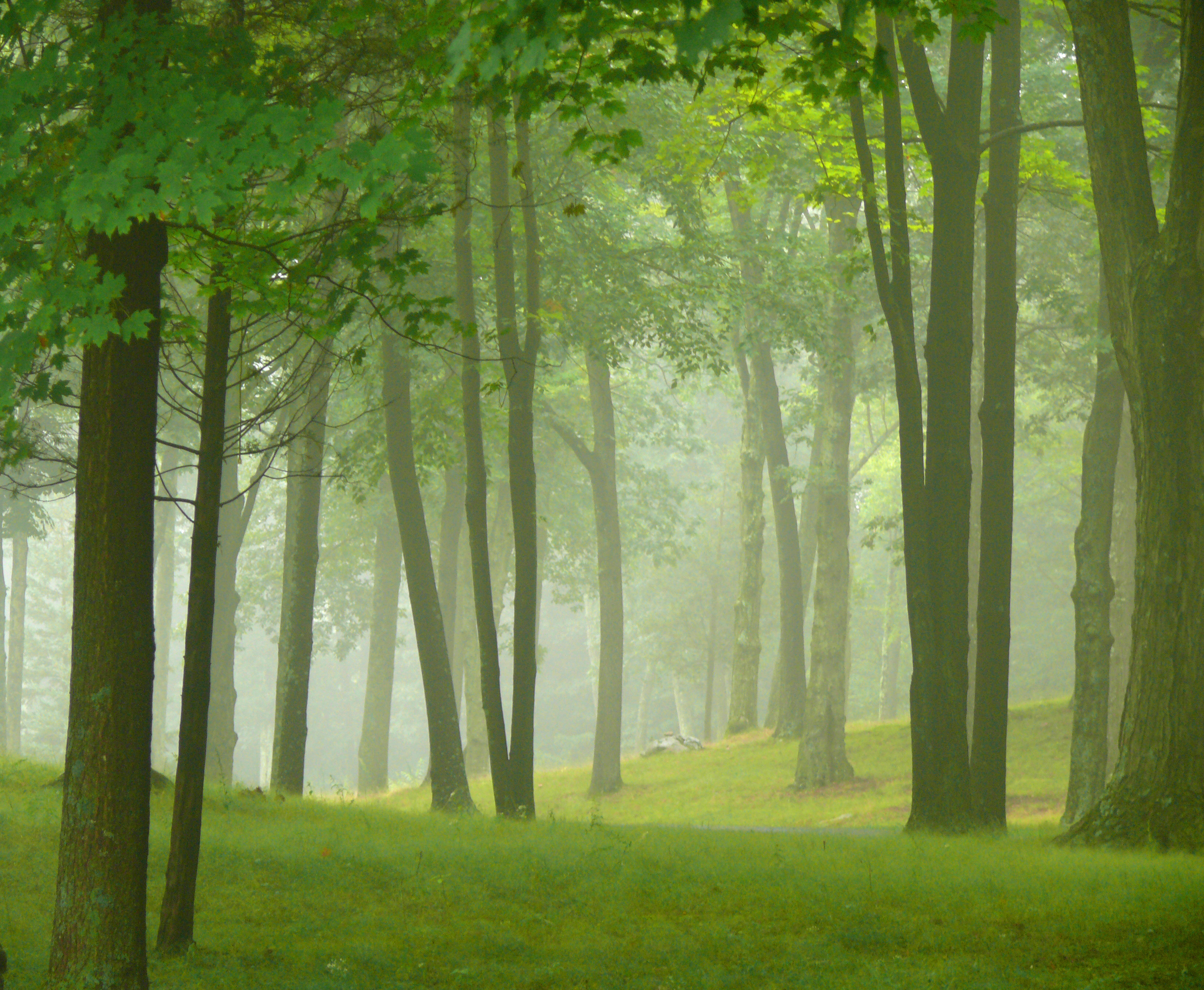
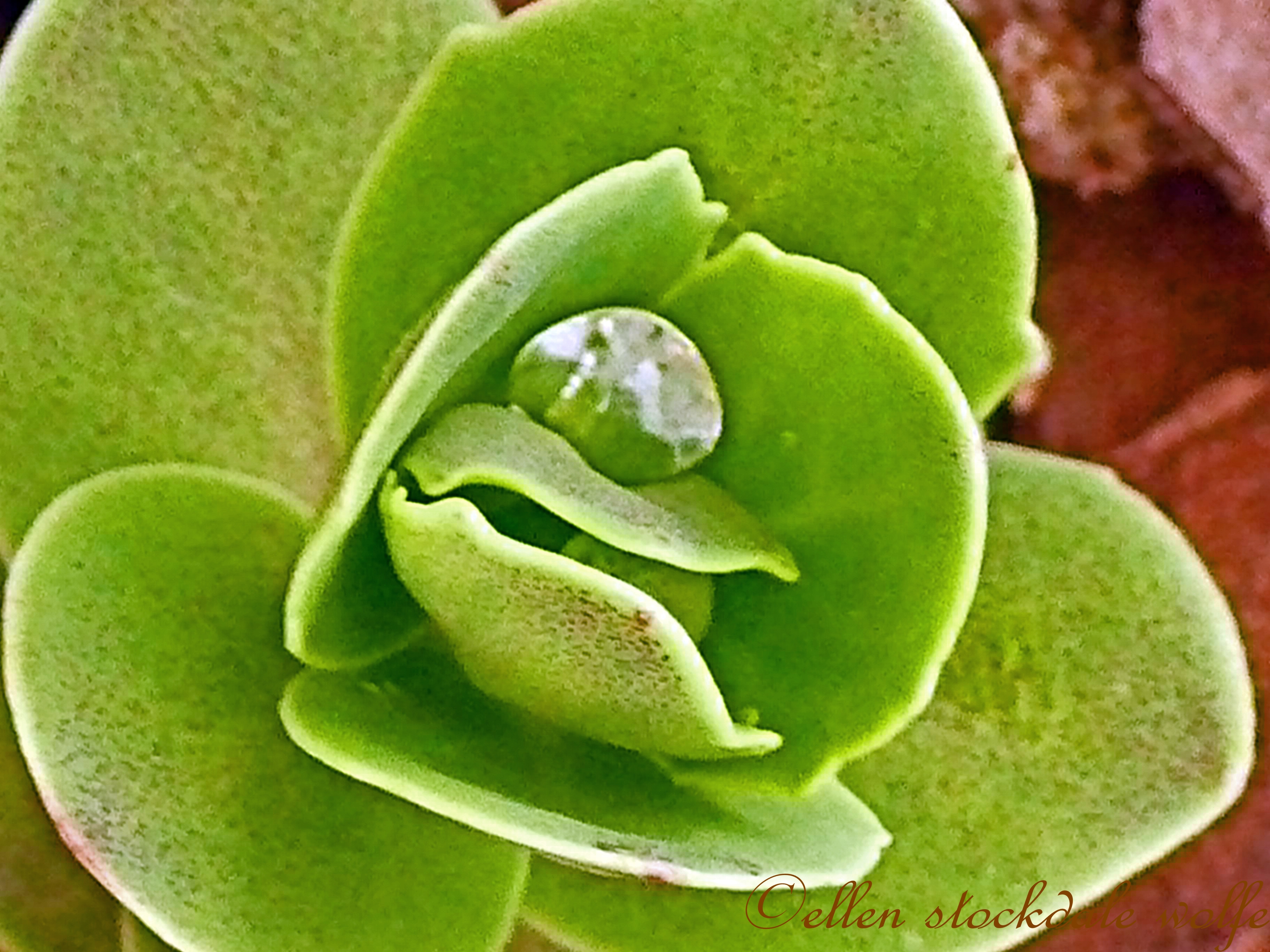
Spring Green Intensifying
(Click to enlarge)
Welcome to samples of my work in various art forms showcasing “Eye-locks and Other Fearsome Things.” “Eye-locks” is a Bipolar/Asperger’s memoir in narrative form that describes the triumph of love over mental illness.
The Beauty of Humility
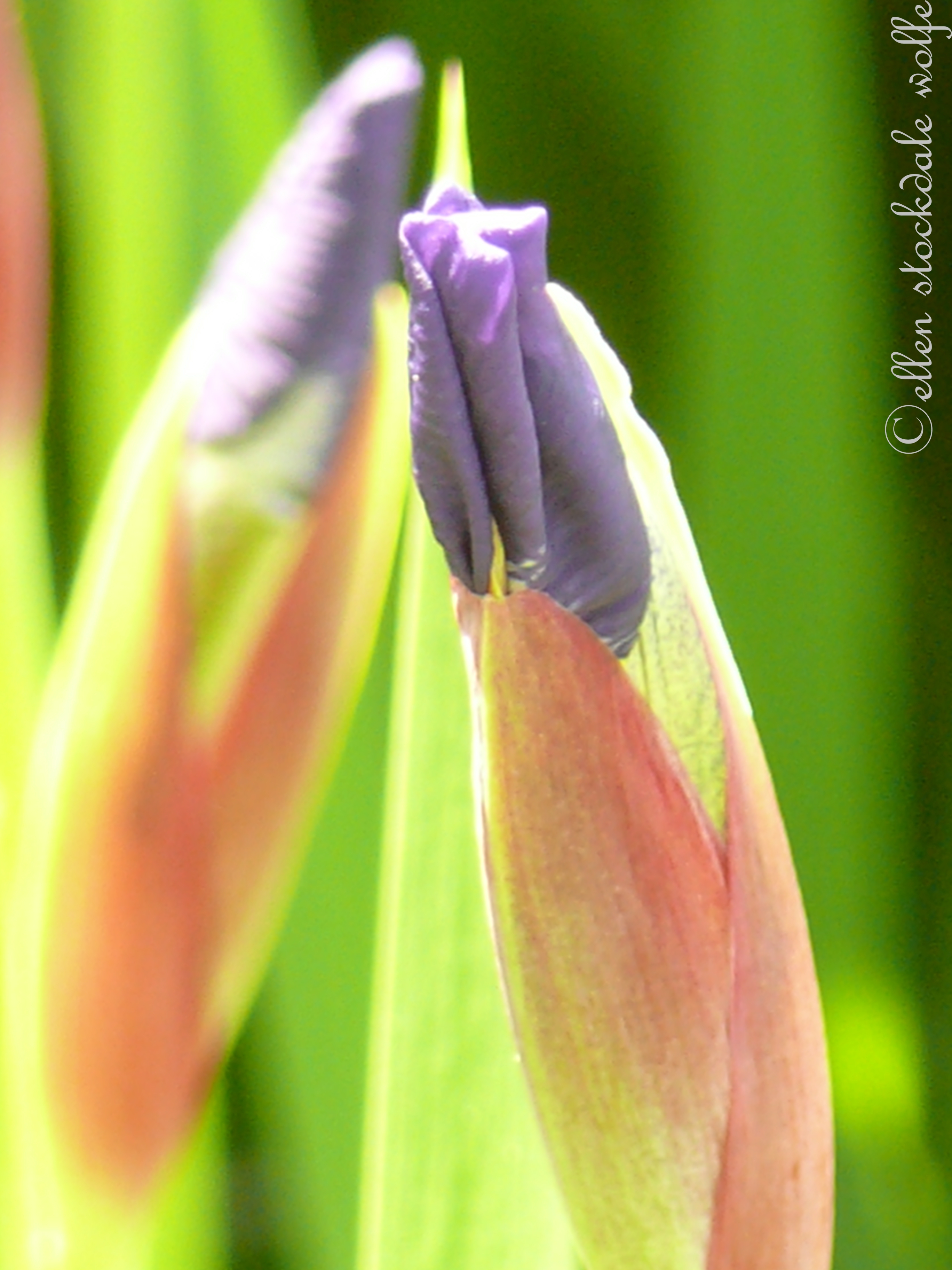
Clapsed in prayer

Unfolding in silence

Bowing down to the Creator
(Click to enlarge)
Welcome to samples of my work in various art forms showcasing “Eye-locks and Other Fearsome Things.” “Eye-locks” is a Bipolar/Asperger’s memoir in narrative form that describes the triumph of love over mental illness.
Jeepers, Peepers
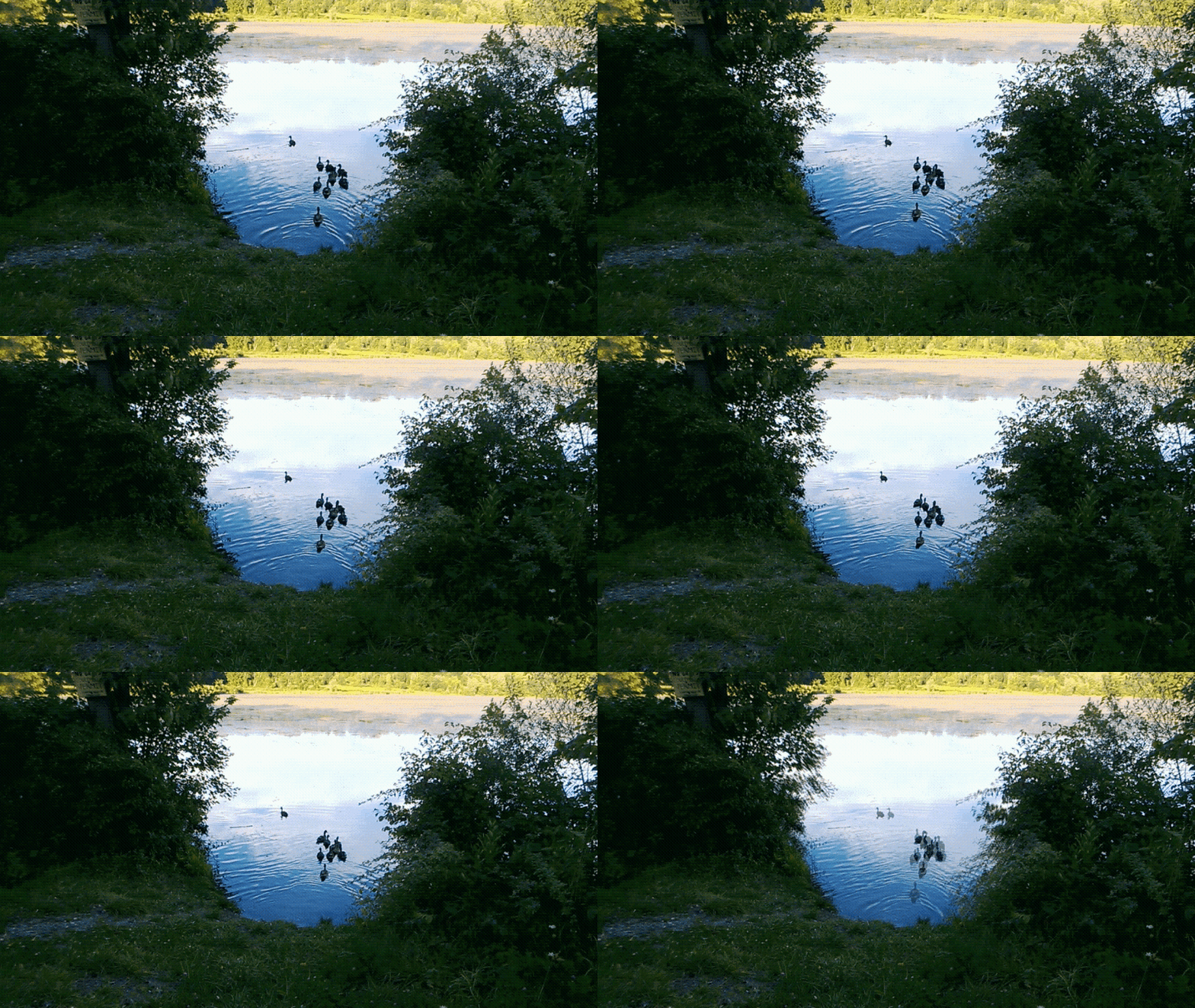
When nature awakens in late March or early April, sap starts flowing in the trees and ice changes to water marking the end of hibernation. This is the grand opening of the wetlands and the pilgrimage to the vernal pools as David M. Carroll writes in his “Swampwalker’s Journal: a Wetlands Year.” A vernal pool is a body of water which fills up in autumn and winter and is swollen in the spring but often dries up completely by the end of the summer. Carroll describes vernal pools so beautifully: “It is at snowmelt and ice-out, the last sleets, first rains, and the earliest warming breaths of spring that they beckon wood frogs, salamanders, and spring peepers from surrounding upland woods, where they have passed the winter in rotted-out trees roots [a reason not to ‘clean up’ the woods], under layers of bark and litter, in small mammal tunnels and other hibernacula in the earth.” The melting snow heralds the march of the amphibians. “Vernal pool habitats hold a galaxy of small things that come to life the instant ice and snow turn back into water.”
Carroll walks the swamps, as the title of his book suggests, in search of mating salamanders and spotted turtles, bogs, fens and all wetland flora and fauna. He tells us that there must be a certain collusion of events– several warm days in a row followed by a darkest of nights with temperatures ideally in the mid-50s with rain preferably two nights in a row. And then the magical migration begins. The salamanders begin their “annual pilgrimage” to the vernal pond to mate.
My husband and I are lucky enough to have a vernal pond on the property next door to us and when Spring comes the sound at night from that pond makes us feel as if we are camping out next to a vast wetland. The music of the spring peepers plays through the night throughout the house, often starting overeagerly in the late afternoon. This manic symphony thrills us every year. It is the first sign of Spring for us. The quality of joyousness and the affirmation of life gladdens our souls. Going to sleep with that sound makes us remember what we so often forget, to give thanks to our Creator for his magnificent creatures.
Inspired by Carroll, one year we awaited the first dark, rainy warm night after a succession of warm days. In our rain gear, armed with flashlights we set out around 11PM to look for the march of the salamanders. We walked to the nearby pond. Nothing. We walked quite aways down a nearby dirt road that has run off but is not quite a vernal pond. We shone the flashlight this way and that. Nothing. We finally headed home disappointed and dejected and my husband started towards the front door when I yet out a yelp. There in the doorway was a 6 inch spotted salamander in all its glory! We never found the march of the salamanders but we were greeted by one of these fantastic amphibians right at our front door!
This story, however, does not have a happy ending. In his epilogue to the “Swampwalker’s Journal,” David Carroll explains why it took him more than 7 years to complete this book. He writes that he became involved in saving some of the wetlands in his book and says sadly nearly all of his interventions have or will become “losing battles.” He describes the plight of the wetlands, bogs and fens as a “landscape of loss.” And he scorns our human selfishness as he writes how it “reveals explicitly the extent to which we think of ourselves as owning all living things, along with the very earth, air, and water in which they live, as if we possessed some divinely mandated dominion over all creation.” He warns: “As we will learn in time none of this belongs to us.” I read these words, knowing them to be true and I think of the soon-to-be-extinct bog turtle and other creatures with the same possible fate. I think of the spotted salamander who came to our door, as did Shelley, the snapping turtle who returns to our drive way every year to lay her eggs and I think of the spring peepers whose joyous song heralds spring and I fear for their future.
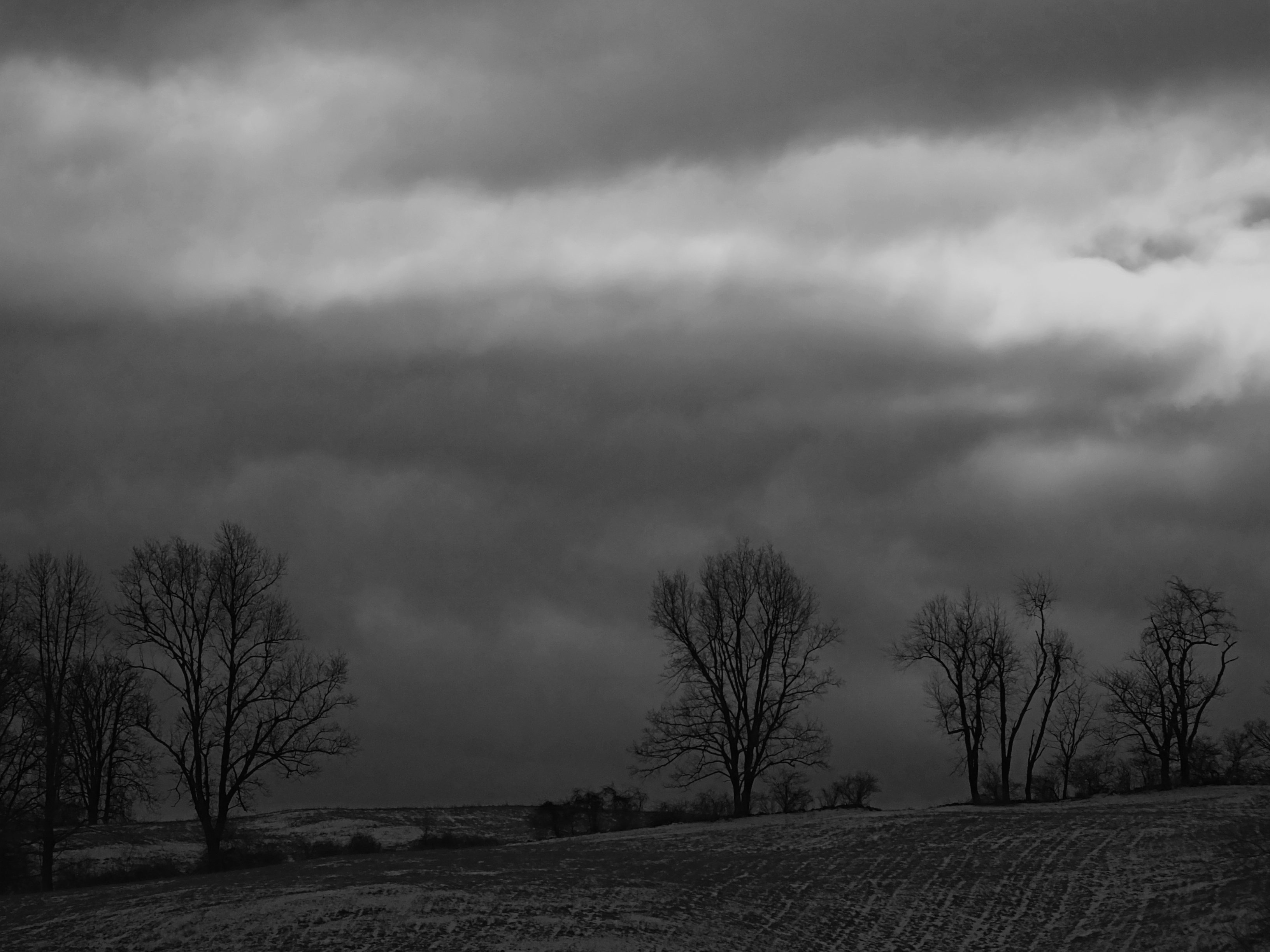
Winter Doldrums
(Click to enlarge)
It is frigid outside and has been for a few days now. It is frigid in many parts of the country. The holidays have come and gone. Now begins the nitty gritty of hard winter work. I find myself listless and not wanting to go out or exercise or paint or take pictures or do much of anything I usually love to do. I have a cold but that does not excuse this lassitude and when I go to my favorite deli, I find that Terry is in the same mood. “I was ready to go home the moment I came in,” she said. And I wondered. My husband was dour and I was sour. What is this? Could it be some vestigial remnants of human hibernation? Maybe we should hibernate for awhile each winter. We binge on food and drink over the holidays. Perhaps we should be sleeping off the extra pounds.
I who love winter and live for Fall each summer find myself longing to hear the music of the spring peepers. It is months away– well, about a month and a half away. They are the first harbingers of new life for me. Terry, who also loves winter, tells me today she is sick of winter. Perhaps it is this string of Arctic air and grey days and icy road conditions. Perhaps it is the human condition to always be dissatisfied with something or other.
I miss the squirrels. It has been so cold they seem to be laying low in their nests. Judging from the tracks in the back yard the only animals on the move are the deer. And as much as I love the silence of winter, I find myself longing for the sweet dulcet music of birdsong at mating season in spring.
We bought this calendar that has a celestial map of the sky for each month so you can find the constellations in the night sky. But it has been too overcast or too cold or too something. We have yet to go out with flashlights and match the map with the canopy of stars. But I am still humbled in a dazzled psyche over the view of the stars through the stripped down trees that we see out our window from bed every night.
Then again maybe it is laziness. Too many sugar highs in December have led to a deep low in February. And with a tease of spring one day in which the temperature reached almost 50 degrees maybe we were let down even further. Not liking being unproductive I think I can overcome this– but maybe the thing is to go with the flow and allow a period of inactivity, let the land lay fallow, so that an increase in productivity may eventually result.
Maybe the thing to do is not to panic. Spring will come. Hopefully, if man has not destroyed all the vernal pools, the spring peepers will return and, if pesticides have not destroyed all the birds, sweet mating songs will be sung and bees and other insects will buzz. And if the weather turns more clement, our spirits will once again soar and we will be busy buzzing with the business of living.

(Click to enlarge)
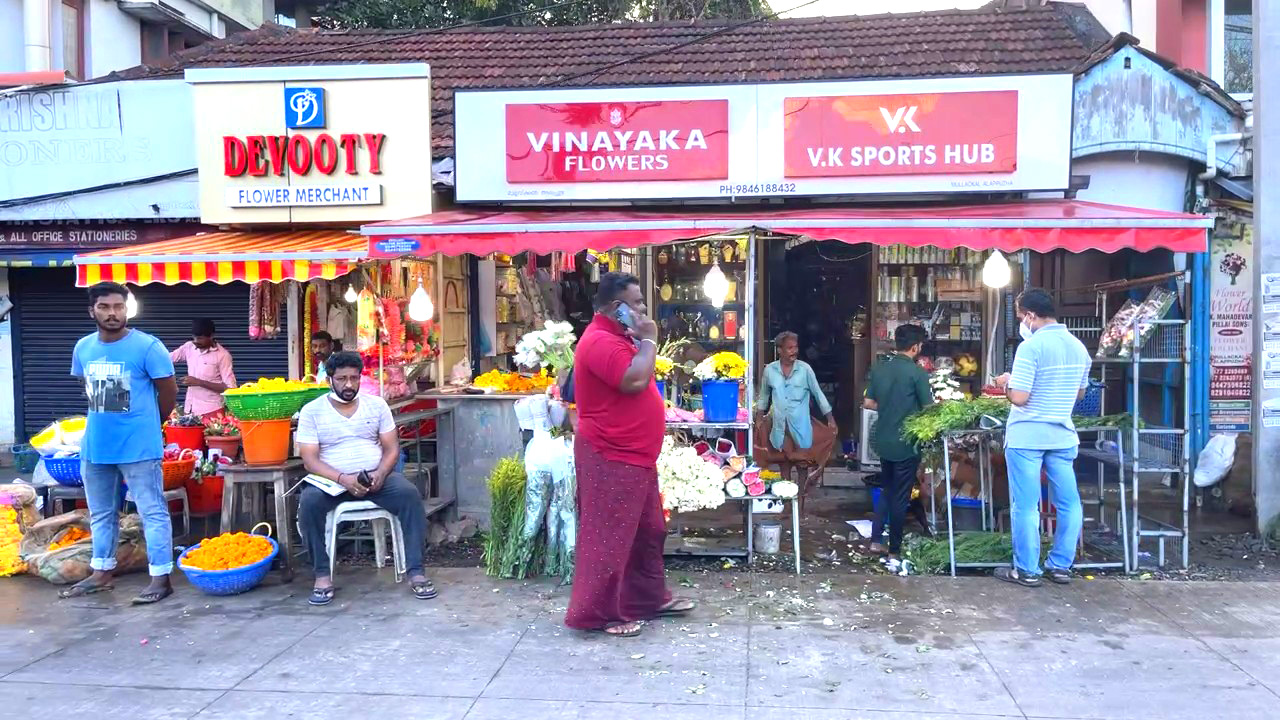
Alleppey Town, Kerala, India
Happy Easter! Happy Passover! Happy Ramadan! Happy Spring!
Stolen Heaven
(Turn speakers up high)
Dawn
One chill morning
Of late spring
Early summer
Beat the heat
Birds arise
Singing
Bhajans
To their creator
As they awaken
In a celebration
Of life
Replete
With ecstasis

Transformation
Fears and tears
in the sunshine
of April
“The cruelest month”
New life
overcomes
the death
of winter
and with it
its hope
of escape
in dying
Can’t it
just end
Samsara
No poetry
No muse
No spirit
Oh, April,
the killer
month
The Soul
Snatcher
The menacing
life force
that most
revel in
kills my
will
to join
in the spirit
of rebirth
I see only
the cruelty
of Samsara
**********
April raindrops
dry tears
and Spring clouds
sooth
my parched soul
and bring back
will and spirit
to join
the living
once again.
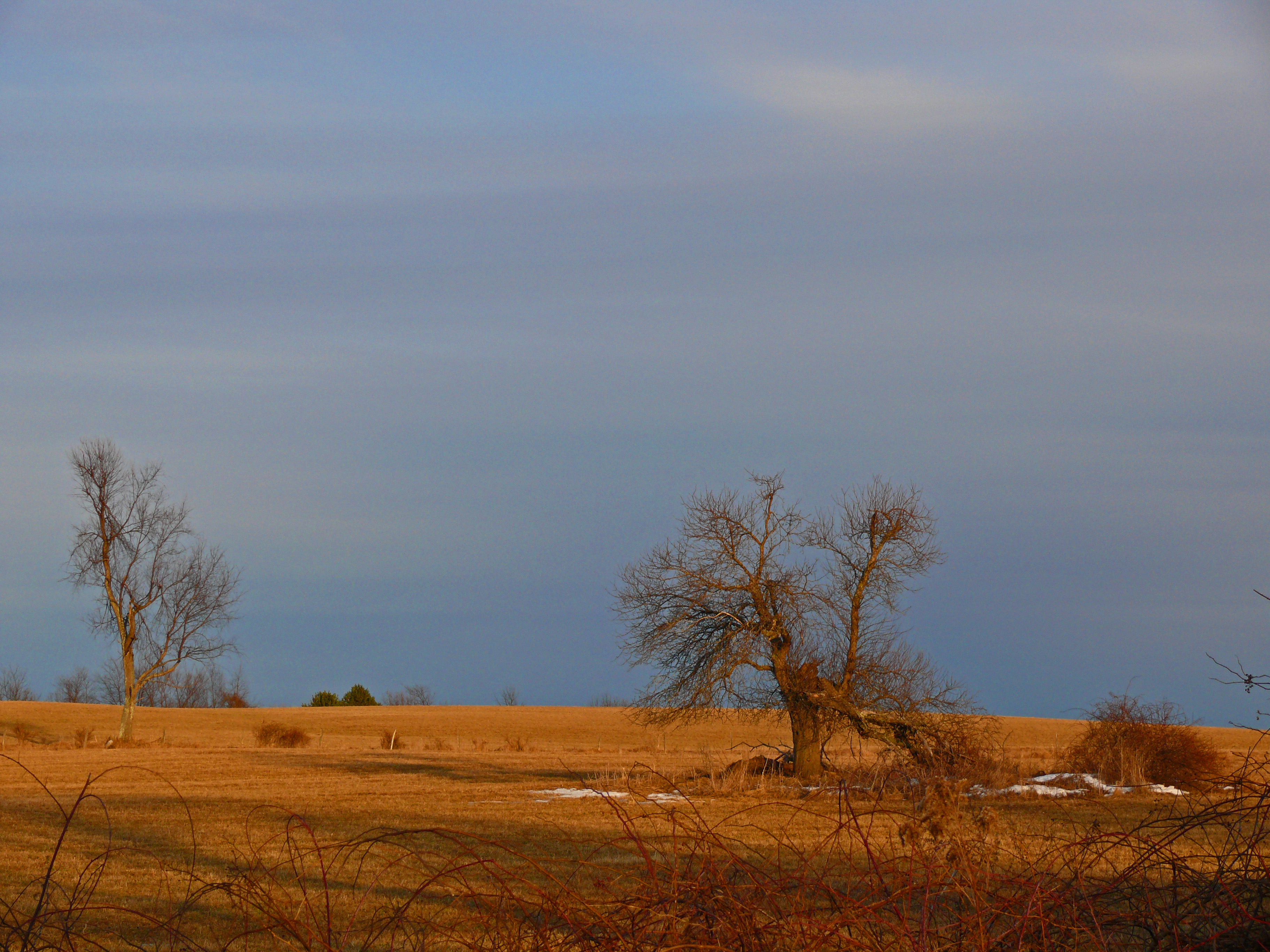

Whispers of Spring
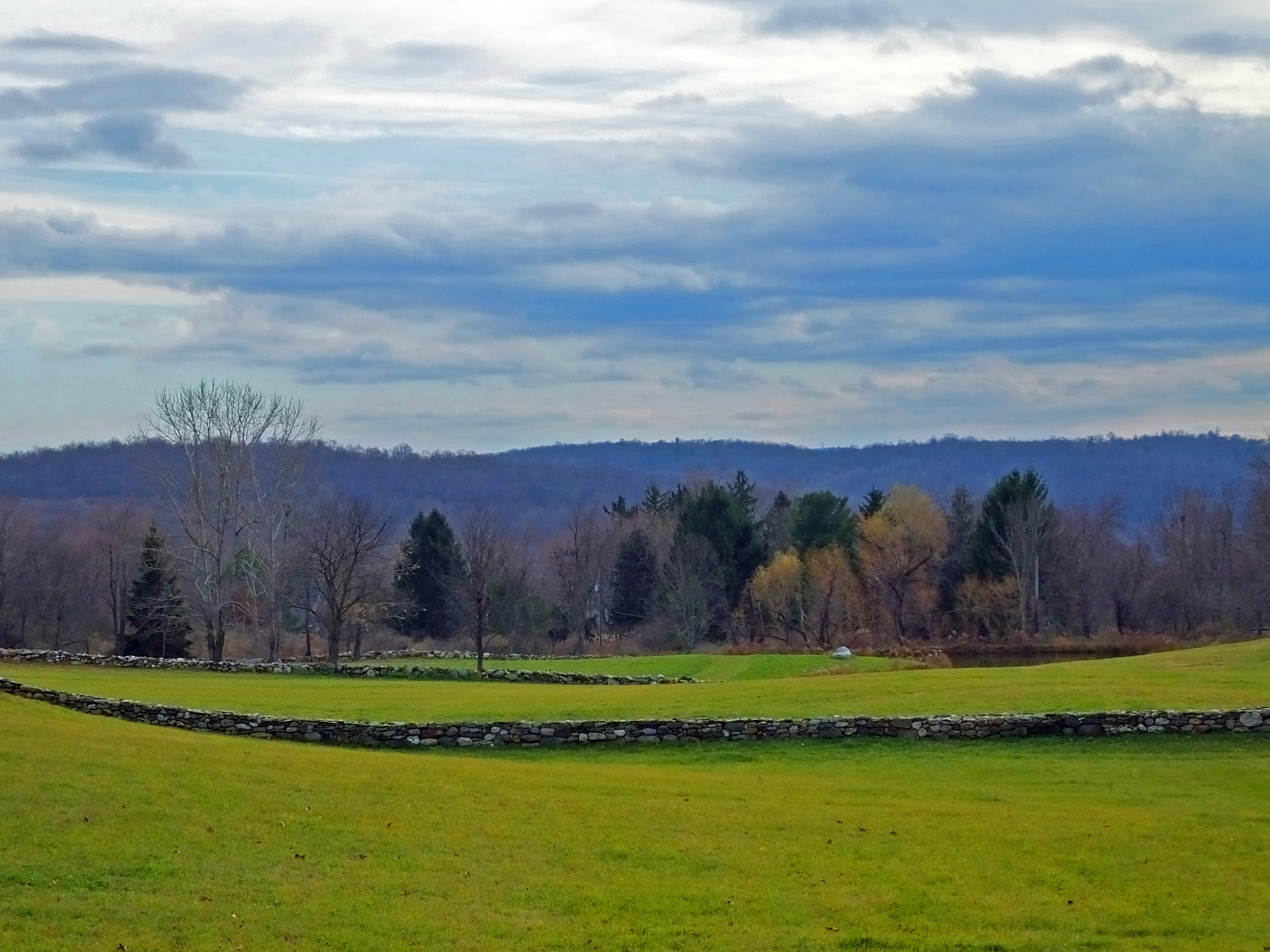
Spring green and faint yellow
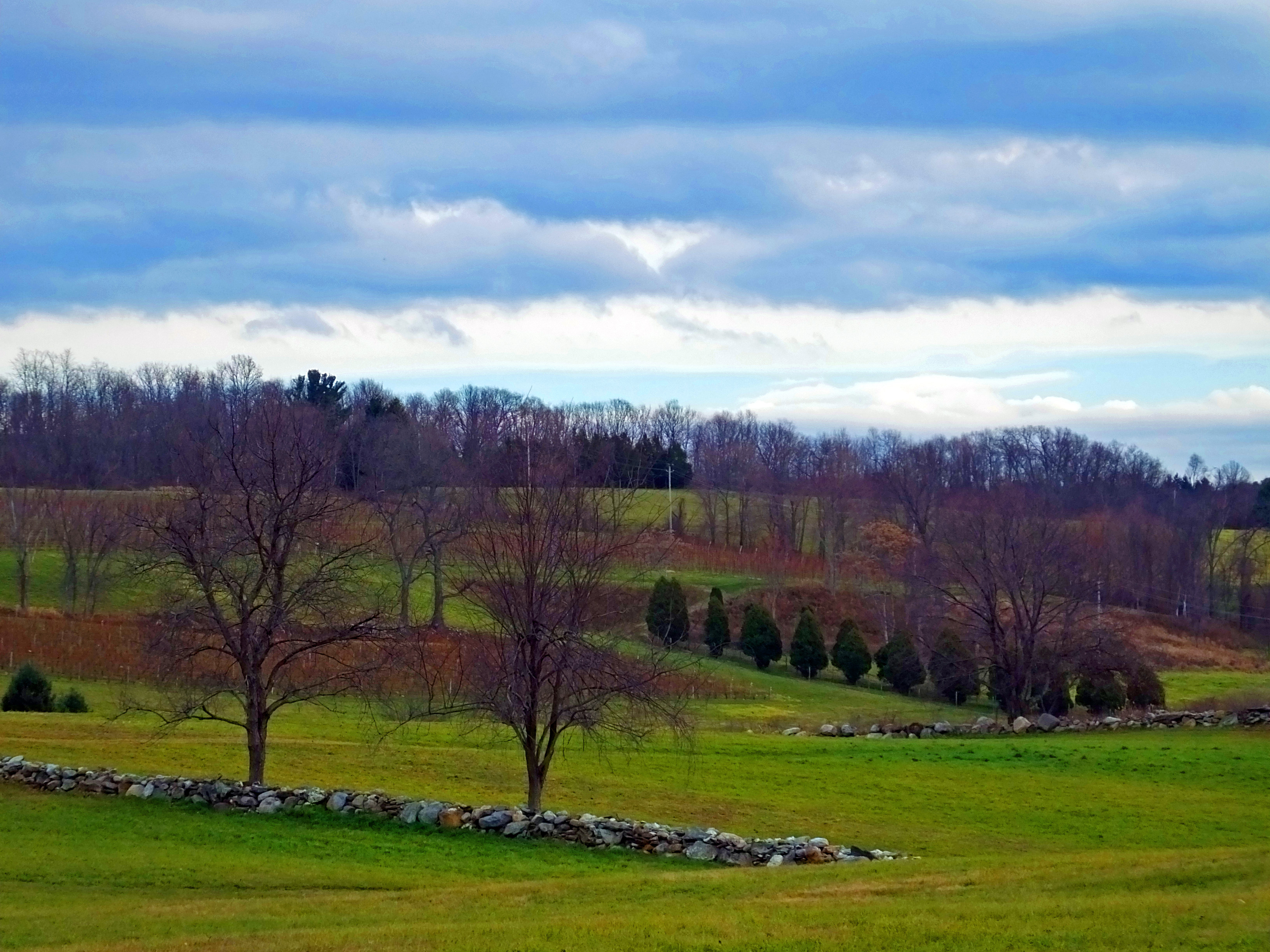
Sap flowing amid stone and evergreens
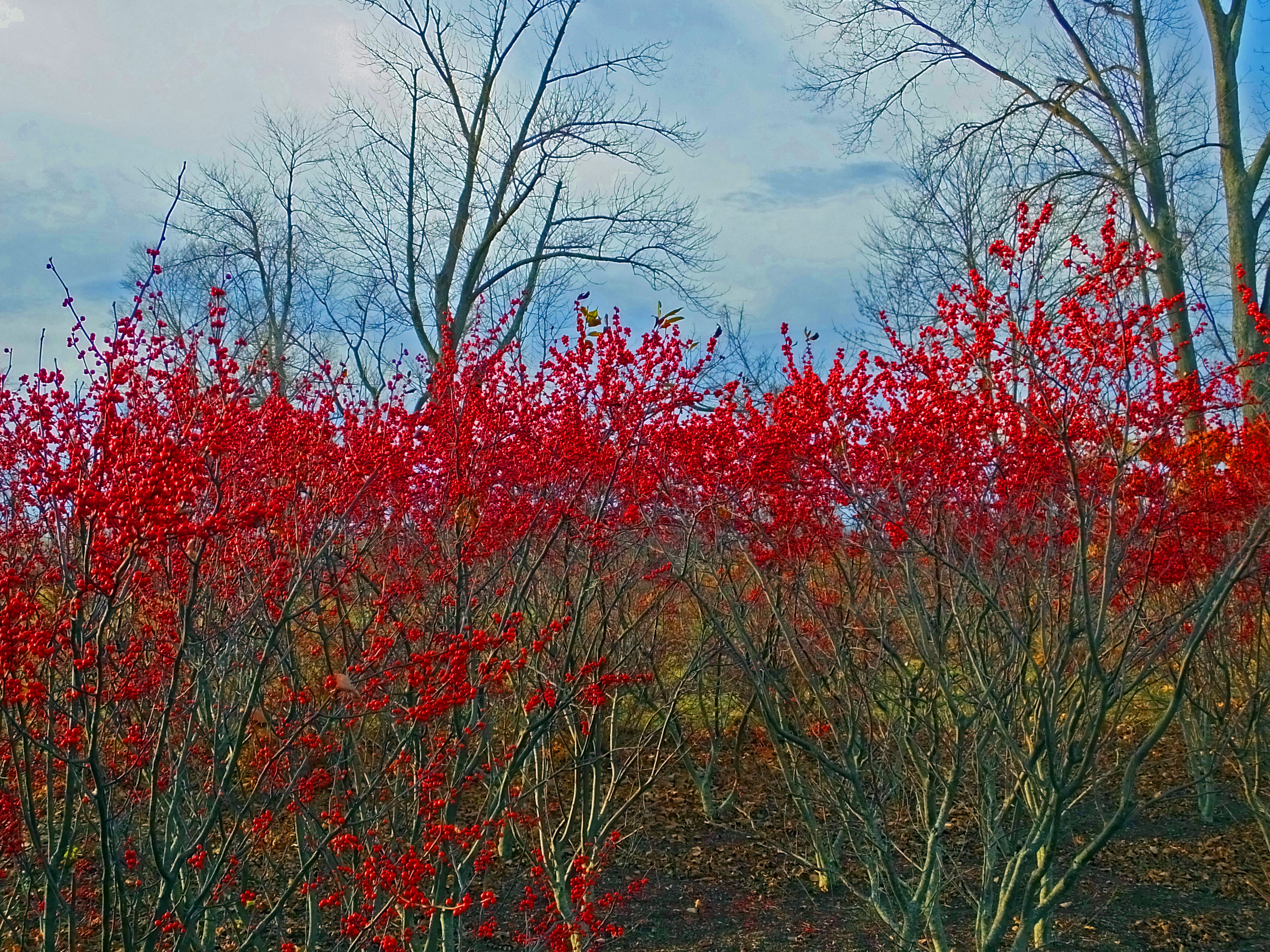
A burst of red

Cows heading past lone bare tree

The hide-out of the Spring Peepers

Layers of Spring texture
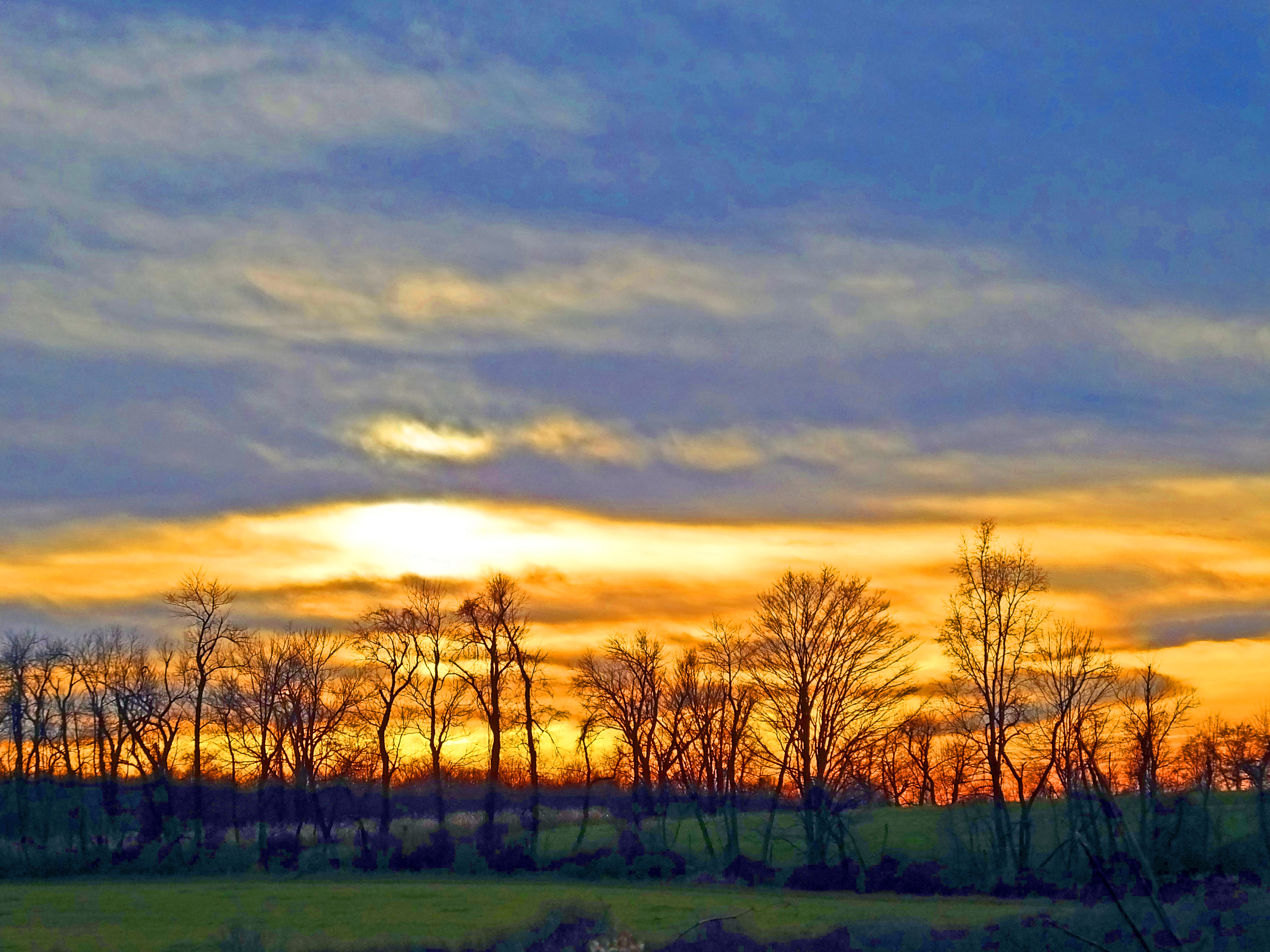
Greening grass at end of day
Spring Seraphic Singing
It is late afternoon and spring by the calendar, although still quite cool. I have just spent some time at our neighbor’s pond, listening to a form of music that some have likened to the sound to bells. Others liken it to bird song. And still others with unimaginable disdain, to “some kind of nature noise.” For me it is one of the happiest of sounds– the act of creation transformed into sound decibels for all to hear. A sound that comes from the earth and resounds to the heavens, unwittingly praising the Almighty. It is a form of ecstasy when the sound surrounds me totally, filling my ears every evening with perhaps the single-most highlight of spring for me– the siren song of the Spring Peepers counterbalanced by the deeper sound of wood frogs.
How have they cast their spell over so many? I cannot say except that their song is uplifting and filled with hope despite the natural perils they face daily. For, as true of all of us, they may die at any moment– say as a meal for a nearby perching crow or underneath murky waters eaten by a snapping turtle. They call for a mate without ceasing, without fear, single-mindedly, without a thought for their own safety. This is nature at her most elemental, in her most singular scope. The peepers all sing out vying to be heard– an a cappella choir of voices. In some spots, I am told, their song is deafening. How nice to be there; I cannot get enough of their sweet music. It moves me to tears– these tiny creatures singing out their heart’s desire.
As I return home to family “situations” and domestic duties, I yearn for the simplicity and total fervor of their song. For if they sing then all is “right” in at least that small part of the world. Progress has not paved over their pond. Disdainful humans have not drained a “vernal pool.” David M. Carroll writes about vernal pools in his books on turtles called The Swampwalker’s Journal. As the title suggests, Carroll walks such places in search of turtles and other amphibians. He defines a vernal pool as a pool of water that fills up in Fall and Winter, swells in the Spring and often dries up by end of Summer. But a vernal pool is utmost a place of magic, not only where turtles lurk, but where mating frogs deposit gelatinous eggs which turn into tadpoles first, and there, later become frogs. And after a requisite series of warm days, followed by spring rains, on the first dark night, vernal pools become the site of the “salamander night.” Salamanders leave their hibernacula to go for a night of endless mating and then return to leaf litter in the woods to disappear for the rest of the year. Some people who know nothing of vernal pools and their function deem them a nuisance, a big puddle to be filled in or drained. Some people know little of spring peepers and wood frogs except that they are “noisy,” “like some sort of insect.” Poor insects are made out to be the pesky lowest of the low. The natural symphony of hormonal, harmonic sounds sometimes falls on deaf ears.
After finishing my evening chores, I try reading, but find the haunting sound of the spring peepers and wood frogs digging deep within my psyche, making me restless, wishing to be part of that pond, surrounded on all sides by the sex song, inebriated with the unbridled joy in the air, submerged in the utter power of nature manifesting in one of her gentler forms. For the song of the Spring Peepers nature celebrates life-to-be rather than the taking-away of life. Most of all, the song of the Spring Peepers is a song of tremendous faith, faith in love, faith that love will propagate, and faith that new life will emerge.

Dying, Lying Croci
This year the Croci
may die cause they told a lie
saying it was Spring
what they said don’t mean a thing
for Spring arrives on Friday
and what the weathermen say
this year the winter just won’t go
and they’re forecasting snow

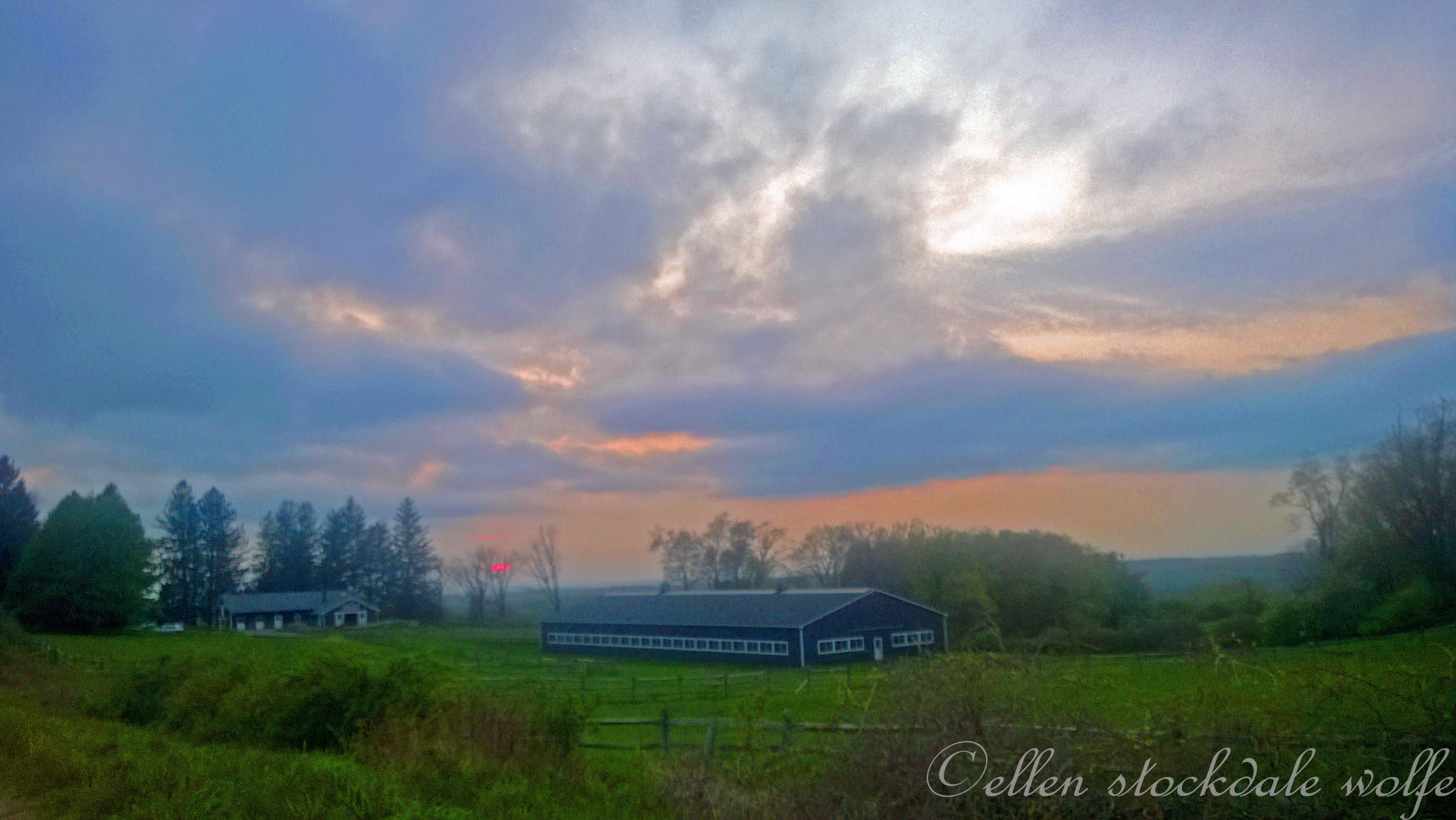
Symphonic Days, Tympanic Nights
Trees have fully blossomed
the clouds are fluffy white
a glory day
Trees were starkly bare
the beginning of the same week
the night pregnant with frog












 MOONSIDE
You must be logged in to post a comment.