The Beloved
For a very long time when I was alone and had no hope. Being Bipolar and having Asperger’s, I thought I would never find love. I had lost it many times. My vision of the future was totally black and bleak.
Years later, at age 35, I found love again. This time it felt right though I was filled with much uncertainty at the time. Almost 24 years have past and it seems righter than ever. We have nudged each other to grow and we have grown. There is still a future to face, now of old age. But every day can bring a new and unanticipated revelation. Recently, and on more than one occasion, I have looked into the eyes of my beloved and seen a tiny glimpse of The Beloved. An epiphany of sorts. For love of a human is but a taste of the love of God.
In the video below, Cat Stevens, now known as Yusuf, sings of earthly love and The Divine. For those of you who don’t know, after starting out as a folk/rock star, he found Islam and that radically changed his life. He gave up fame and fortune to pursue God. In the end, he found his way back to music to use it to witness The Beloved. And that is the title of the song below.
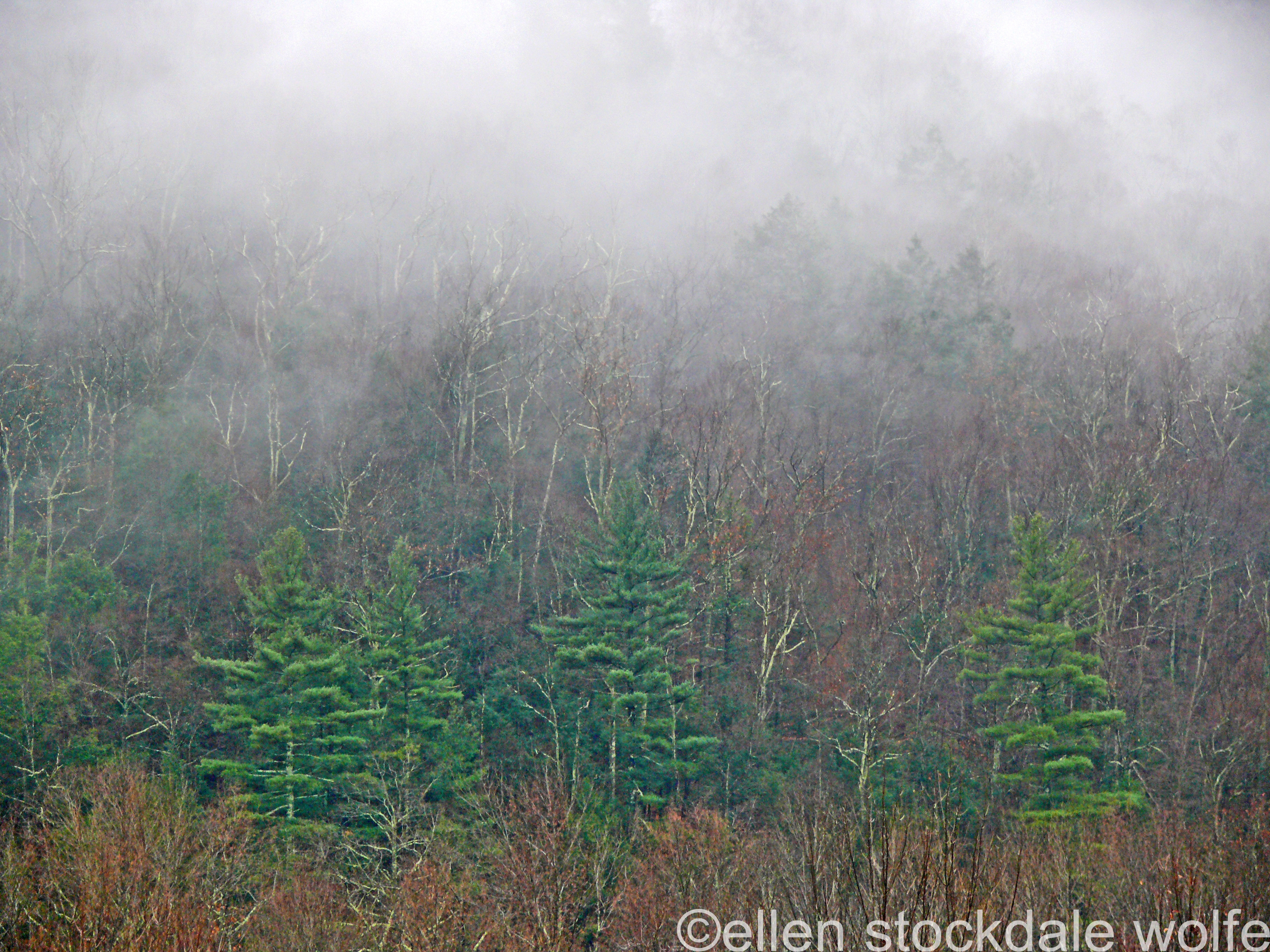
Heart to Heart
“Love cannot be had for the asking; it comes only as a gift from the heart of another”
~ Paramahansa Yogananda

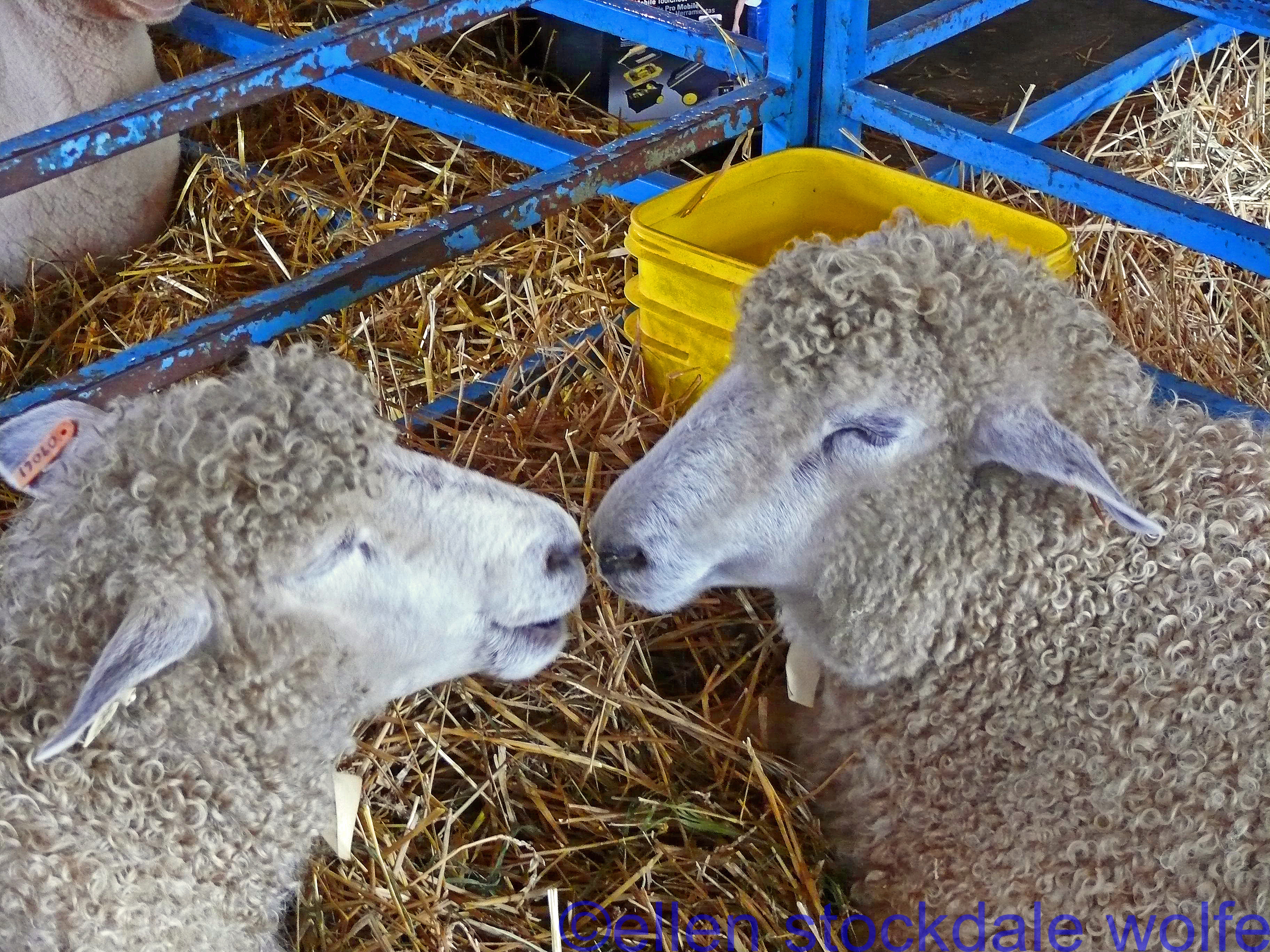
Stars in the Eyes

When I was a little girl of seven, I swallowed the “Prince Charming” myth whole. I cried watching the movie Sleeping Beauty, because I wanted my own prince to come. Then adolescence happened and I found myself a wallflower– not only at socials but in everyday life as well. Few friends and no dates. I had one good friend who was best friends with someone else which somehow negated our relationship. I was painfully shy and full of anxieties. College was a little better. I had my first boyfriend, a run of relationships that mostly went nowhere fast and, again, few friends. High school peers were marrying off. My brief brush with marriage to a Sri Lankan ended when he went back home, promising to return. He never did.
And then it happened, totally out of the blue and beyond my control, I fell in love with an older, West Indian woman at work. I became obsessed with a relationship that was never to be and nearly lost my job in the process. Unable to handle such feelings on so many levels, I went free fall into a downward spiral of depression and psychosis, commonly called a nervous breakdown. It lasted for years. But I still believed in love and Prince Charming (in this case, “Queen” Charming). For years I lived in the netherworld of mental illness, locked in isolation. I explored being gay but like my college relationships, all failed. I will never know the truth of all that happened between the West Indian woman and me. After testing many medications before arriving at the right cocktail, years of therapy taught me about my own fears of love and how to love. I was diagnosed Bipolar but treated as if I had Asperger’s as well, since I could not decipher what in hell’s name was going on in social relationships. I was not officially diagnosed with an Autism Spectrum Disorder until some 30 years later.
One day I grew strong enough to stand up to life. For the first time, I could think of what I wanted in a person and look for it. After all I had been through, I still believed in the “Prince Charming” myth. But he never found me. I found him. He didn’t sweep off my feet. I swept him into my arms. I understood him because he was Aspie like me. I knew if I did not make a move he never would. So, with heart-pounding fear, I asked him out and then he asked me out, and we bumbled along and married 4 years later, after I basically said “now or never.”
We remain happily married almost 24 years later. And so came “happily ever after.” But not exactly as I expected. For one thing there were fights which I hated. I had to learn that this was normal. Then, when my best friend died a few months after my father died, both of cancer, it hit me for the first time. There was no “happily ever after.” I realized that marriage either ended in divorce or death. Both dire. And that one of us was going to lose the other except in the unlikely event we both died together. How could I have been so stupid and not have seen this before??
Today my love for my husband runs deep and I realize I am closer to him than to any other human I have ever loved. I live in terror of something happening to him. As we both approach old age every good moment becomes a treasure I try to engrave on my memory. My husband has blossomed into an empathic, caring clinical social worker. He now expresses his deep affection towards me. Even I, who had a hard time recognizing love, can see this. He still teases me relentlessly. This is his way of showing love. I understand that because my father was the same way. But my husband delights in getting away with teasing me. “What joy!” he said one morning, as he played some mischief on me. “I love this “love thing’!” he said. I never thought he would say that or turn out to be so affectionate and loving. Just as I never thought I would find love. And when I looked at him with love in my heart that morning after the teasing stopped, he said, “What?” We still have trouble interpreting expressions and are still shy of eye contact even with each other. I said what I had read long ago that a child had written. When two people in love look at each other, stars come out of their eyes. A wonderful image that comes as close to “happily ever after” as one can get.



In the Heart of a Dying Star, Life
The work of Professor Brian Cox who appears in the video:
Old Barn with Window View

Could not resist the lovely curve of the roof of this little red barn– some might call old age sag.
Vestigial Remnants of Hibernation?
It is frigid outside and has been for a long time. It is very cold in many parts of the country. The holidays have come and gone. The hoopla of the inauguration is over. Now begins the nitty-gritty of hard winter work. I find myself listless and not wanting to go outside or exercise or paint or take pictures or do much of anything I usually love to do. I have a cold but that does not excuse this lassitude. When I go to my favorite deli, I find that Terry, the sandwich lady, is in the same mood. “I was ready to go home the moment I came in,” she says. My husband was dour and I was sour. What is the meaning of this discontent? Could it be some vestigial remnant of human hibernation? While man has never hibernated, science finds his metabolism slows down in winter and he becomes less active. Binging on food and drink over the holidays may not be the sole reason for weight gain in winter. Perhaps we should be sleeping off the extra pounds.
I who love winter and live for fall each summer, find myself longing to hear the music of the spring peepers. It is months away– well about a month and a half away. They signal for me the first harbingers of new life. Terry, who also loves winter, tells me today she is sick of winter as she makes our sandwiches. Perhaps it is this string of Arctic air and grey days and icy road conditions and snow every few days. Perhaps, and more likely, it is the human condition to always be dissatisfied.
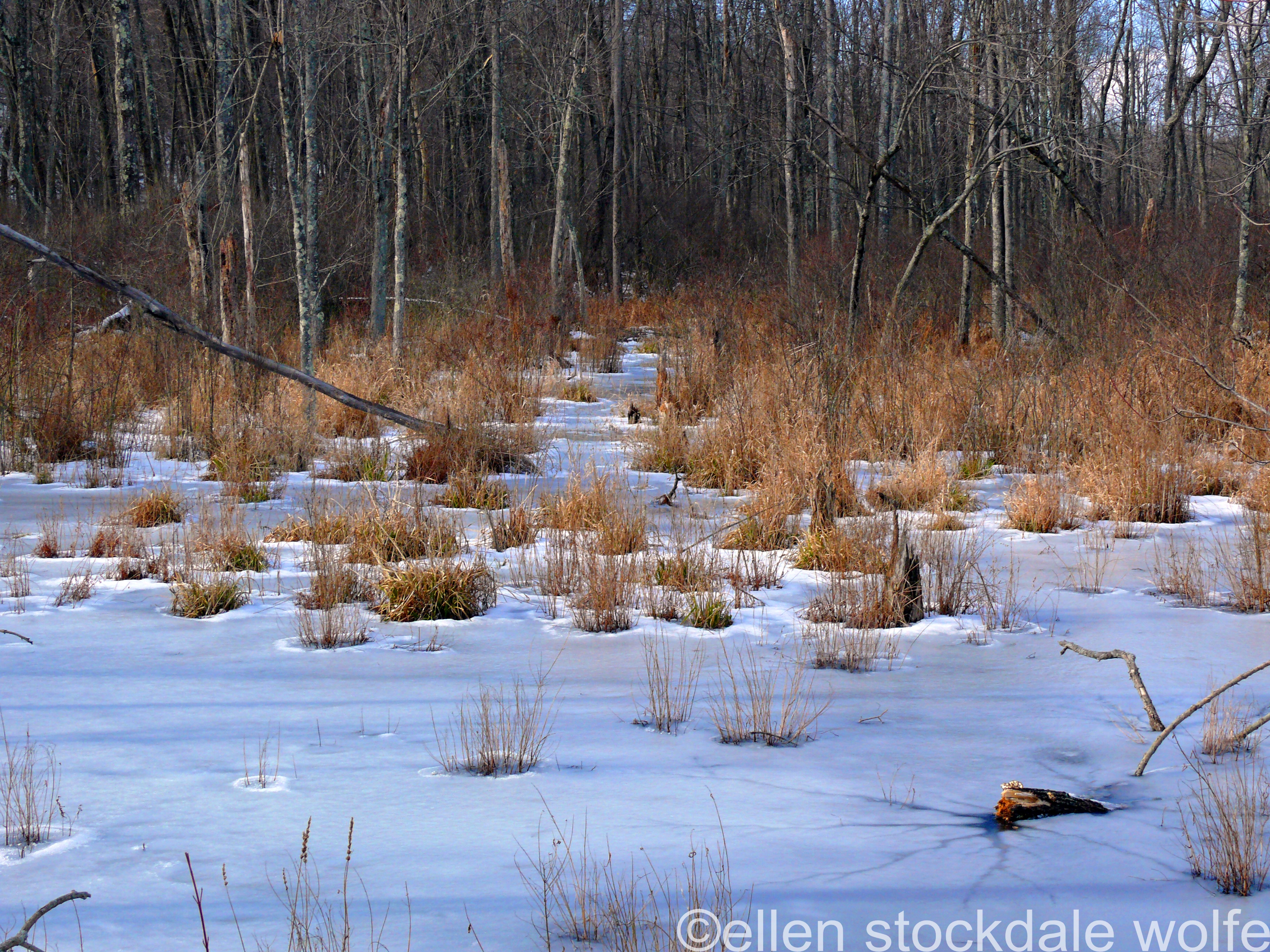 Hibernaculum for turtles and other animals
I miss the squirrels. It has been so cold and snowy they seem to be laying low in their nests. Judging from the tracks in the snow the animals most on the move are the deer. And as much as I love the silence of winter, I find myself longing for the sweet dulcet music of birdsong at mating season in spring.
We bought a calendar for the new year with a celestial map of the sky for each month so you can find the constellations in the night sky. We have yet to go out with flashlights and match the map with the canopy of stars. It has been too overcast or too cold or too something. But my dazzled psyche is humbled by the view of the stars through the stripped down trees that we see from bed every night.
Then again maybe it is laziness. Too many sugar highs in December have led to a deep low in February. And after a tease of spring one day in which the temperature reached almost 60 degrees we were let down even further. Not liking being unproductive, I think I can overcome this. But maybe I should just go with the flow and accept a period of inactivity, let the land lay fallow, so that an increase in productivity may eventually result.
I know I should focus on what is positive. Winter is the season of silent beauty that I so long for in the summer heat. I delight in the quiet of winter days. The snows bring a hushed stillness good for the soul. It is a time to regroup. Spring will come. Hopefully if man has not destroyed all the vernal pools, the spring peepers will return. And if pesticides have not destroyed all the birds, sweet mating songs will be sung. And if the weather turns more clement, our spirits will soar once again, and we will be busy bees making honey while the sun shines.


Aspie Empathy
There is a saying in Tibetan, ‘Tragedy should be utilized as a source of strength.’
No matter what sort of difficulties, how painful experience is, if we lose our hope, that’s our real disaster.
By Dalai Lama XIV
Pema Chodron says Pain has its virtues.
Asperger’s Syndrome (AS), an Autistic Spectrum Disorder on the mild end of the spectrum, is often characterized by a supposed lack of empathy. What it really means, and many professionals still do not know this, is that there is a different kind of empathy. An empathy in which we, Aspies, are so overrun with feelings that our system crashes– to use a computer analogy.
For example, my aunt is on death’s door and my cousin calls to give me the news. Suddenly she starts crying hysterically and shouting that her mother can’t die and leave her, that she needs her mother, and conveying a powerful sadness. I start crying, too, and try to say some words of comfort or of wisdom acquired from losing my own parents. All pales and I am reduced to stuttering. Why does this happen? I am overcome with her feelings and feel them myself. And the computer freezes up. System crash– whereas, a Neurotypical (NT) would know what to say and be sympathetic and empathetic and help my cousin. I make vague attempts that wind up as feeble words. Does that mean I am an unfeeling person? No. Ineffectual, yes. And maybe seen as heartless despite my attempt to convey love and sympathy for what my cousin is going through.
Another example shows me as a monstrous teen. I am 15 and my mother gets a phone call and starts crying hysterically. I immediately know it means that Grandpa is dead. I adored my grandfather and had a very special relationship with him. In some ways which I will not go into here, too special in a not-good way, especially for so young a child. I know there is no room for my grief. It is only my mother’s that counts. There is no one to go to with the devastation I feel inside. So how do I express it? Do I cry? No. I say to my father, “I guess we won’t be having hamburgers for dinner.” A totally callous remark. And my father chastises me for being “unfeeling”—for my lack of empathy, when all the time I am in great pain inside. This on the surface is what Asperger’s lack of empathy looks and sounds like. Underneath the surface there is a chaos of feelings rampaging within. Now an NT might actually feel less deeply, but would act and say something appropriate and certainly wouldn’t make a remark like the hamburger one. It is not that I wanted hamburgers– I hated them. To this day, I don’t know why that remark slipped out.
Things like that still happen. I did not get officially diagnosed with AS until age 61, though I knew I was autistic decades before, having worked with autistic children on the serious end of the spectrum. Aspies feel emotion and shut down, just like an overloaded computer. It does not mean that they have no feelings nor empathy. It is a different kind of feeling and empathy. And I have noticed a tremendous reservoir of feeling for animals that can be expressed more easily, for animals are so less threatening and more straightforward than human beings. If I were more intelligent, I would become a vet. Now, whenever I can the chance with an animal, I give Reiki, which many animals respond to quite naturally. It is definitely easier to give Reiki to an animal rather than to a human being. My husband is the one exception. He is a special case, lumped in with non-humans simply because I am so comfortable with him, a high-functioning Aspie himself.
I learned to try to pass for normal– in some ways, quite successfully. I became an expert observer of people though I could not, and still cannot, interpret what I observe. But I owe my success to my mother having a mood disorder which got passed down to me as Bipolar Disorder– and to my father being an alcoholic. Why? Because in order to survive, to minimize fear and pain, I had to become a keen observer of my mother’s moods before she lashed out at me. I would scour her face for every nuance of mood although I still seldom knew what was to come. This extreme vigilance served to protect myself. Similarly with my father. I would study him, scrutinize his behavior when he came in the door on the rare nights he came home when he said he would, and did not stay out drinking. Just because he came home early did not mean he was not drunk. A facial expression, a different gait wherein he tried to walk normally, the way he said hello, would give it away. I became expert at detecting drinking, often knowing long before my mother did that he was drunk and would tell her. She wouldn’t always believe me. I was terrified of my father when he was inebriated. Once, as a very little girl, I heard him sick in the middle of the night and my mother was with him in the bathroom, semi-hysterical, yelling at him for my father was obviously out of control. I felt sick myself, tried to drown out the sounds with a pillow, and was scared to death I would have to run to the bathroom and be ill also. This turned into a life-long phobia and obsession. I loved my father but when he was drunk I didn’t want him anywhere near me. And sometimes, especially when drinking gin, he could be mean. Were his true feelings coming out—“In Vino Veritas” or were they just drunken ramblings of a disturbed mind? For he did have a disturbed mind, an outcome of a tragic childhood and he used alcohol to self-medicate his demons. His father was an alcoholic, too.
Pain has its virtues. I learned to study people and became so astute that it hid my Asperger’s symptoms for years. Female Aspies seem to be better at hiding their disability than males. I learned to study people but I still cannot decipher what expressions mean. I can see something happening on the face but am often still not be able to tell what it means. This just increases what is already acute social anxiety and is hard to translate into socially appropriate responses.
“Tragedy should be utilized as a source of strength.” Certainly my childhood was not a tragedy by any means. But parts of it were tough and those parts made me strong.
Next time you see an Aspie act without empathy, especially a child, you might check in with them to see just what they are feeling. I would wager that they are feeling a great deal and simply cannot process or express their feelings.
When the Snows Come
Sitting in our living room, with all the little, dairy barn windows alive with falling flakes of snow, it is as if my husband and I were on a ship, floating on a sea of white. The living room in our converted dairy barn has the feeling of a ship cabin, and I think it most beautiful when the snow is falling.
The glass doors in the kitchen give us perfect view of the bird feeder, our television in all seasons. In winter we watch male cardinals, bright red in the stark white, feed and contend with the beautiful, bullying blue jays. And the more modest, gentle, tiny juncos and sparrows touch our hearts with their humility.
One winter, when the snow had covered the ground for a month or so and turned to solid ice, we watched, horrified, as squirrels clawed at the feeder and fought with one another for a chance to feed, making shrill cries of territoriality. The ground was too frozen for them to retrieve the nuts they had buried in the fall. They were fighting off starvation.
Waking up in the morning there is no need for a weather report as we see the snow piled high on the surrounding trees and see the sky through what used to be the hayloft door, now a cathedral window. The thermometer tells us how cold it is though we can feel the chill in the air. We gauge the depth of the snowfall by watching the squirrels running along the limbs of the trees, cleaning off the heavy snow. They seem friskiest just after a snowfall.
And if we are lucky, and the snow is deep enough, we get out our snow-shoes and climb up the hill out back to what we were told was once a Christian Indian burial ground. There are no markers left but the spot has the air of the sacred and it affords mountain views in winter. High on the hill overlooking the valley, it seems a perfect place for a burial ground. The snowfall makes it easier to walk the hill. In the summer the path is too full of saplings and underbrush to walk the “meadow.”
On our half of the meadow there is a squat fir tree which provides a great shelter for deer in a storm and the deer love the meadow. There are a few blown over trees. And as we snow-shoe we see all kinds of animal tracks which we attempt to identify.
Like many barns, ours was built near the road so there is some traffic noise. But in the meadow we are far removed from the road. When it snows, it is so beautiful in the quiet, looking at the animal tracks, and feeling the spirits in the graveyard. A secret, little piece of Paradise. And to stand there in the virgin white silence, and see the abstract patterns of the snow on the surrounding hundreds of trees, is a taste of the Divine.
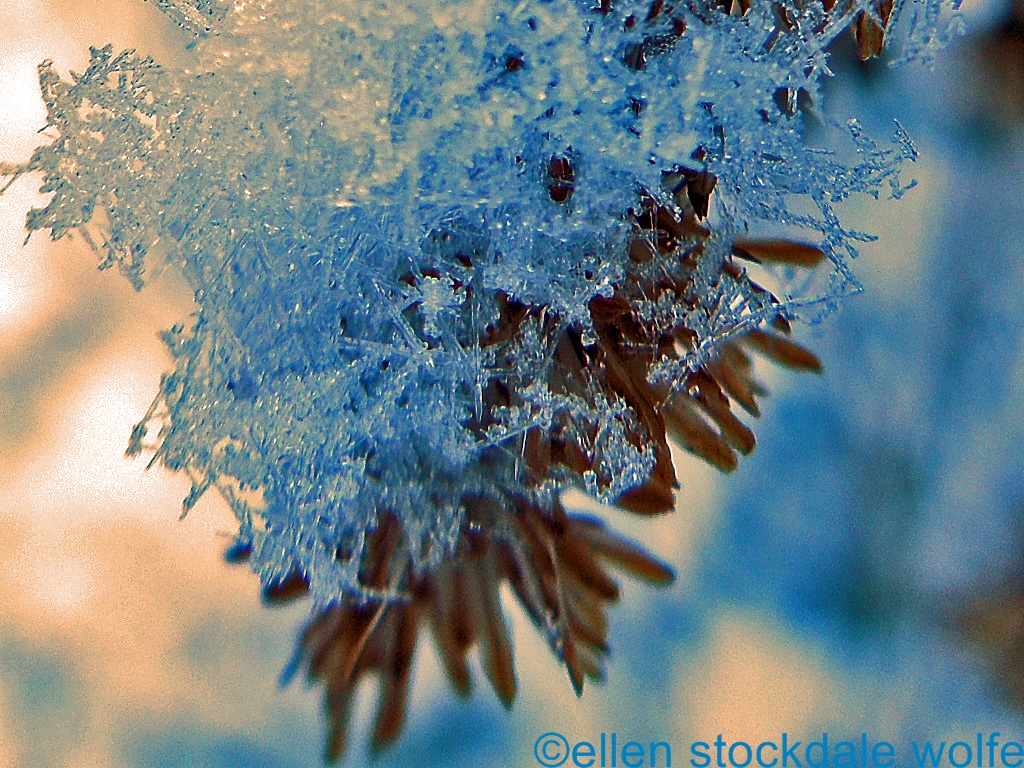
Transformations no. 2
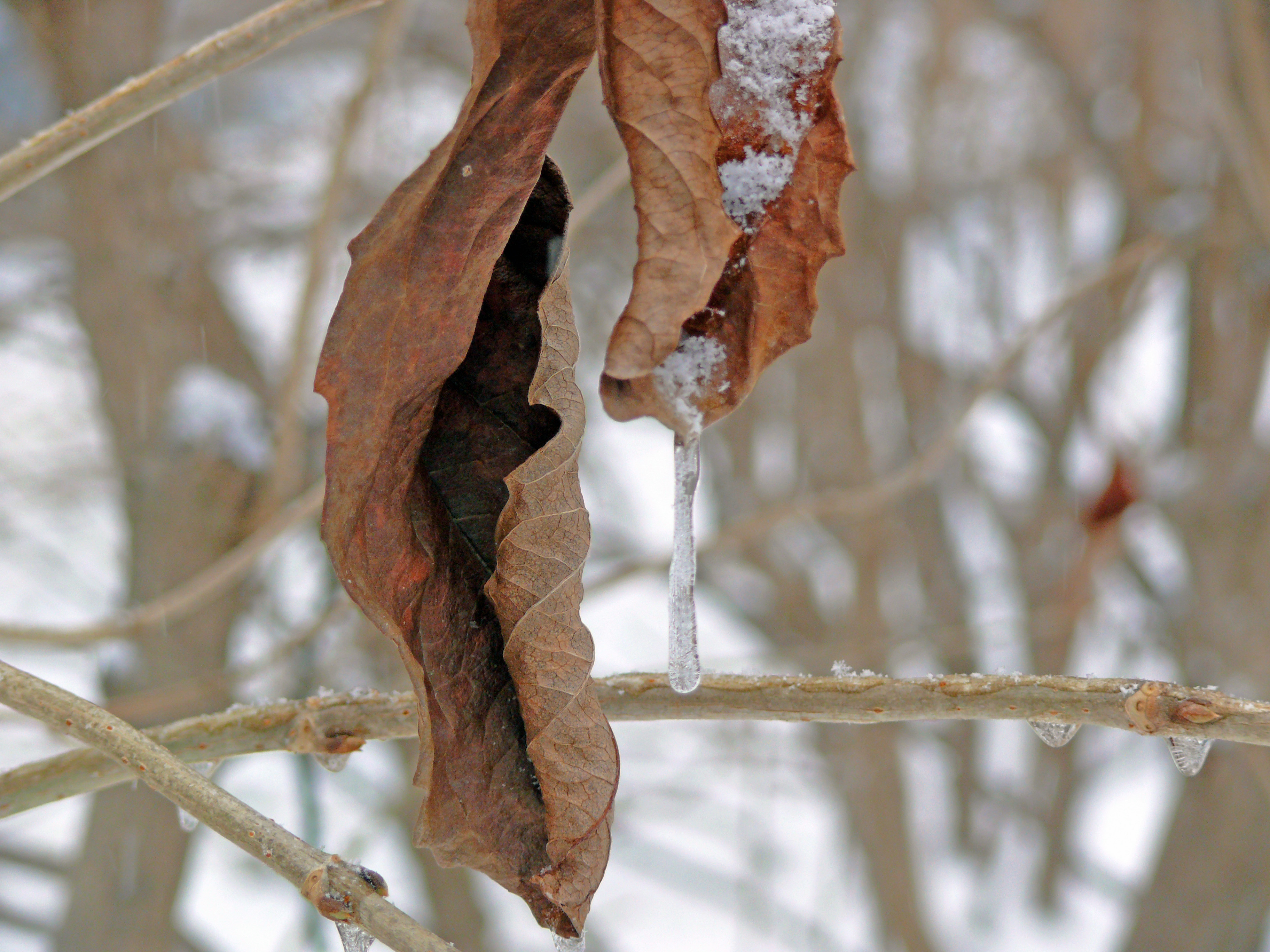
“It is so interesting to see the marvelous evolution of complex matter from the singular consciousness of Spirit. How intricate it is, and yet so simple” ~ Paramahansa Yogananda
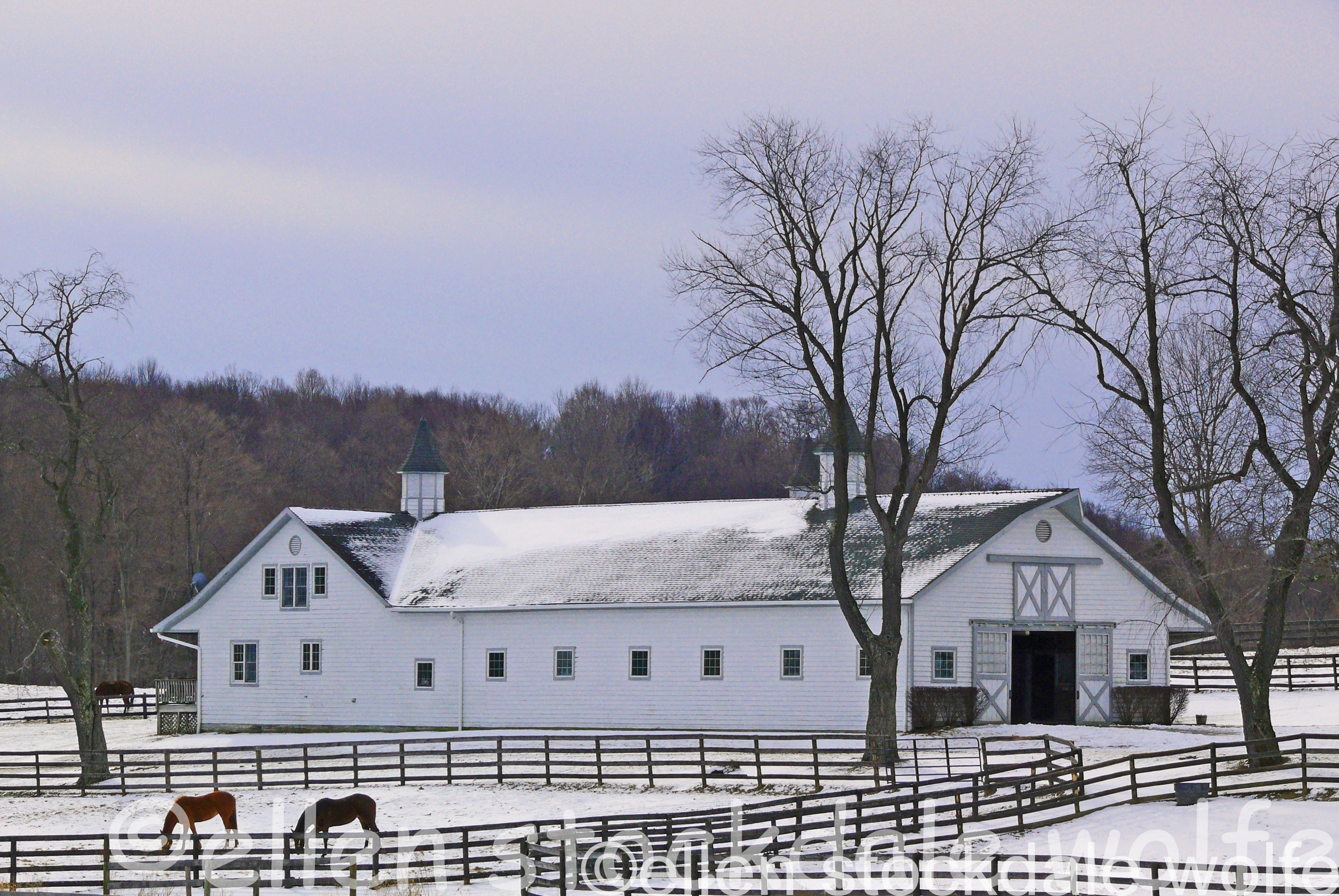
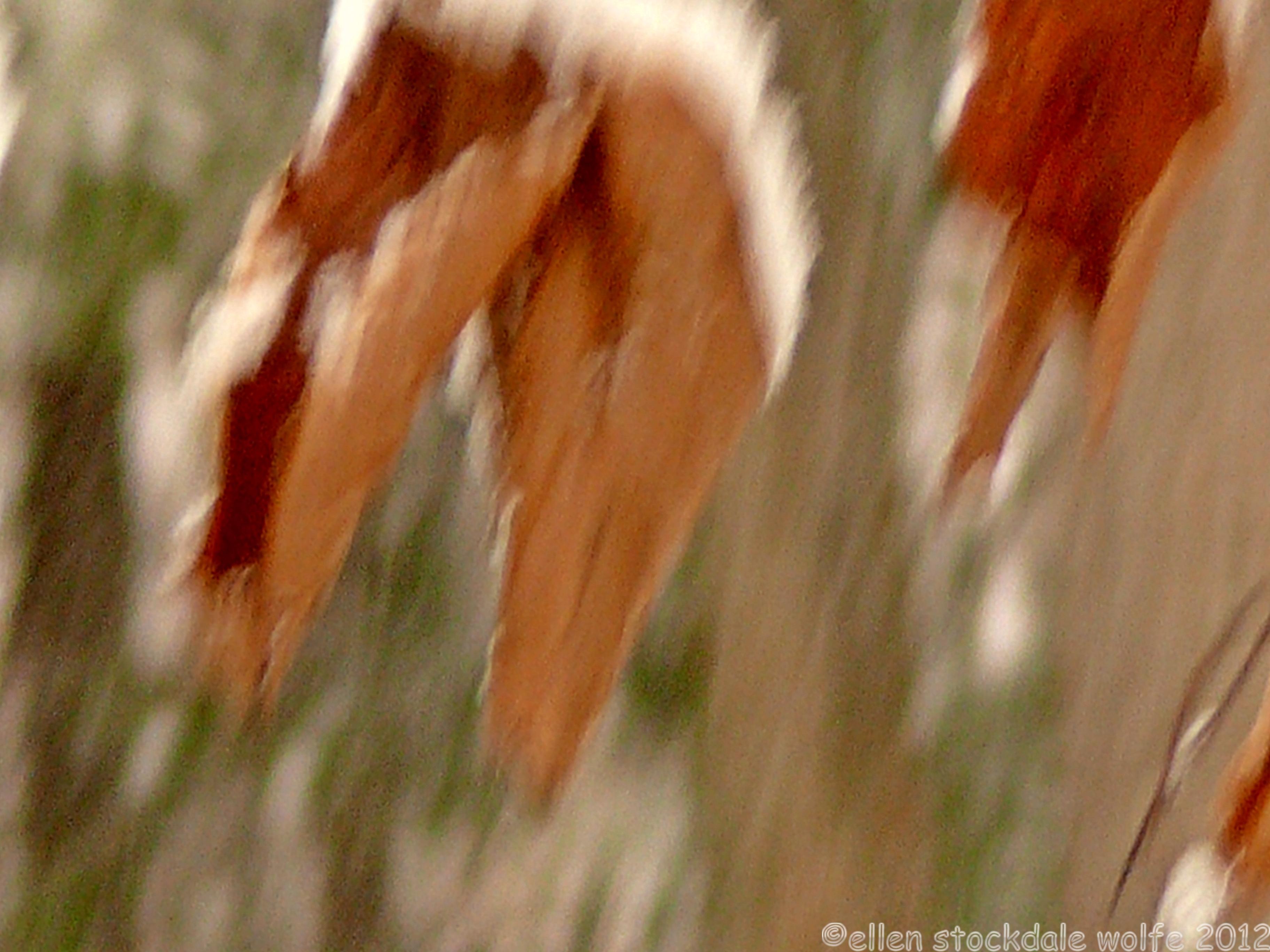
The Edge of Winter
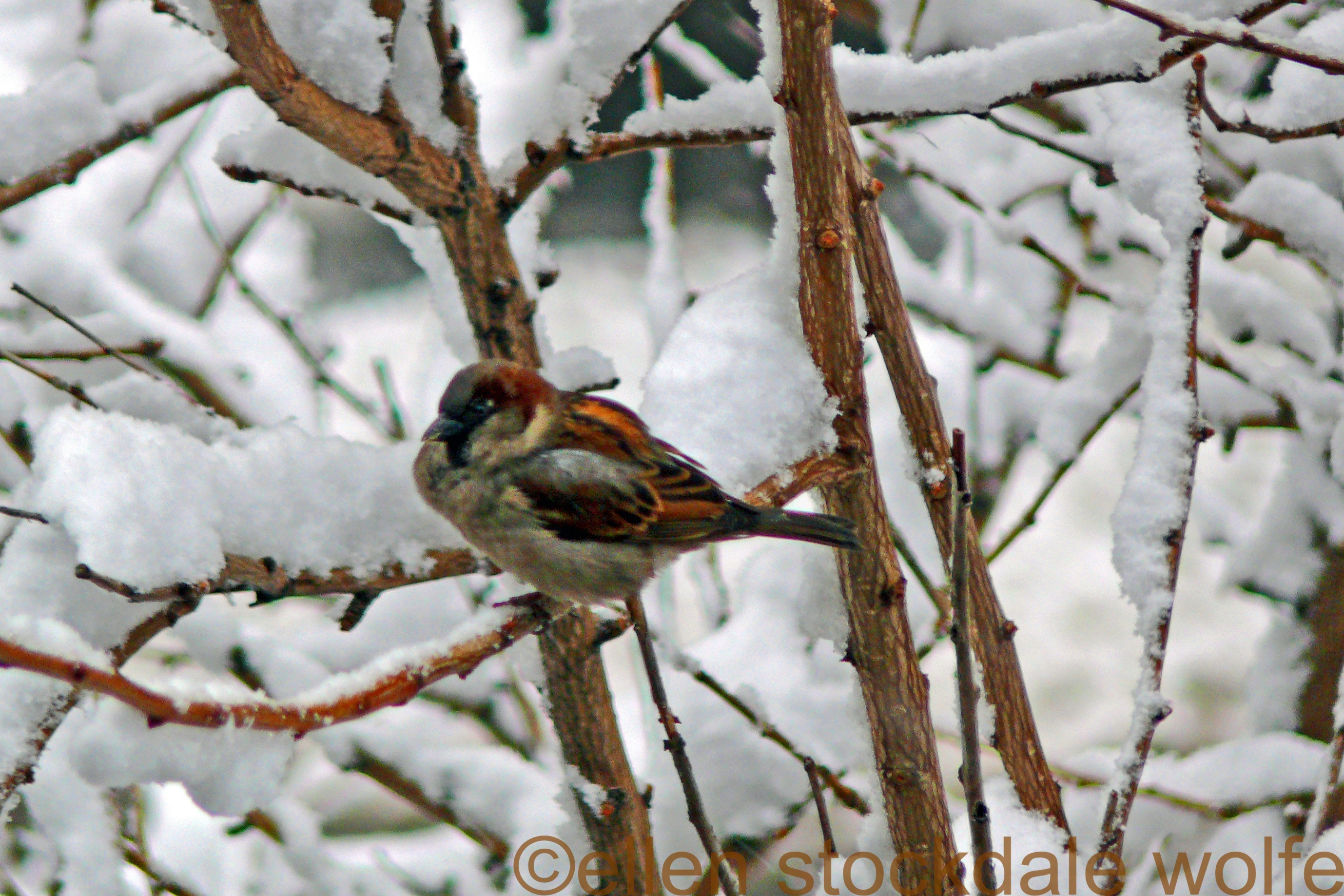 It is an overcast day. Brightly colored birds stand out like jewels in the greyness. The sparrows blend into the wooded grey/brown of snow-covered shrubs. The ever-present sparrows and the winter birds– jays and cardinals, juncos, black-capped chickadees, white-breasted nuthatches and downy woodpeckers– flock to the bird feeder which now has to be filled up almost every day. The red berries on the bushes are nearly all gone and the feeder is becoming a matter of survival. On our walks we see empty nests held in the bare arms of winter trees. An empty robin’s nest is filled with snow– the hatchlings and the mother long gone to fairer climes. The trees are stripped down to their souls. With ice storms they become tinkling chandeliers. In the rain the few remaining dead leaves drip drops of icy tears.
Occasionally a dove visits the feeder. The chipmunk, who gathered scattered seeds under the feeder all fall, is not to be seen. He must be in torpor in his den. According to Bernd Heinrich in: The Winter World: the Ingenuity of Animal Survival, the eastern chipmunk builds a twelve-foot storage system with a nest chamber some three feet down and a network of tunnels which includes a food storage chamber. Heinrich says chipmunks go in and out of torpor. He reasons that they would not gather food if they were to be in torpor all winter long. We will probably not see our chipmunk for the rest of the winter for, in his stuporous state, he would be easy prey. However he can be roused to eat and venture outdoors if need be, especially in March when there still may be snow on the ground but mating season begins.
The grey squirrels are busy clearing snow from branches as they run along tree limbs. On the ground they dig through the snow for the walnuts we watched them bury in the ground with their noses this fall. They do not need to hibernate for they have food stores which they built up in the autumn– and leafy, well-insulated nests. The red squirrels survive winter by putting on thick, insulating fur.
The back yard is a maze of tunnels. We think they are deer mouse tunnels as many have tunneled their way into our house. But they must get by the feral cat who sometimes waits out a snow storm under our deck. In the woods, the occasional deer waits out the same storm under a squat fir tree. The tracks in the snow tell the story of how they weathered a Nor’Easter.
Beneath the tracks in the snow, in the frozen leaf litter, the insect world is dormant. Some hibernate. Others fill their bodies with antifreeze, glycerol, to stay alive. Heinrich talks about woolly bears hibernating but they are also capable of freezing solid and surviving, coming to life again as they thaw in the spring. The pupae, however, don’t survive being frozen.
In Winter: an Ecological Handbook, authors, James C. Halfpenny, Elizabeth Besiot and Roy Douglas Ozonne, tell us that the reptiles and amphibians pick out a “microclimate for hibernation that does not freeze” for their winter, such as the “bottoms of ponds, streams, or deep in the ground.”
Our stream flows out back in the marsh under ice and snow and one can see the elongated bubbles of running water. In the pond next door the turtles lay beneath the ice in their hibernacula. At the end of the book, The Year of the Turtle, David M. Carroll, the naturalist, author and artist, has his watercolor of a spotted turtle hibernating. This picture is hypnotic and in its spell, I think of all the animals hibernating beneath our feet in lugubrious gloom. It reminds me of the penguins in the film, The March of the Penguins, huddled together for warmth in the harsh, strong winds and snow, taking turns being on the outside of the huddle. Winter can be magnificent in its transformations yet tragic in its harshness. Hibernating animals who freeze to death and deer starving in the snow are among the victims of its violence.
Carroll’s drawing shows the turtle all alone, withdrawn into its shell under less than two feet of water, lodged firmly in the mud under ice and under snow on a sunny winter’s day, a far better clime than the penguin’s– and yet it evokes a certain sadness for this little creature all alone beneath the snow, in a torpid state. The turtle is missing out on the days and nights, sleeping a deep sleep in a “half year of stillness.”
Carroll’s writing is sheer poetry as he describes the turtle’s hibernation: “Mounting layers of snow silently cover the ice. Night after night in the harshest depth of winter, as Orion and the Pleiades burn distant and brilliant in the black sky and strong winds howl off the mountain to the northwest, the turtles rest beneath the ice. With the life in them nearly suspended, reduced to its most tenuous hold, all but extinct in the vast, inhospitable regime that reaches above them to the limits of the universe, they lie within their shells, waiting for the earth to make its required turnings and return them to the sun that will awaken them to another season.”
I think of the turtles below, along with all the other beautiful creatures, and wish them a kind sleep from which they will safely stir as the life force surges through their veins again when the sun brings them to the fullness of life in spring. The death of some, and the half-life of so many, proffers the poignancy of winter.
Snow-Doe
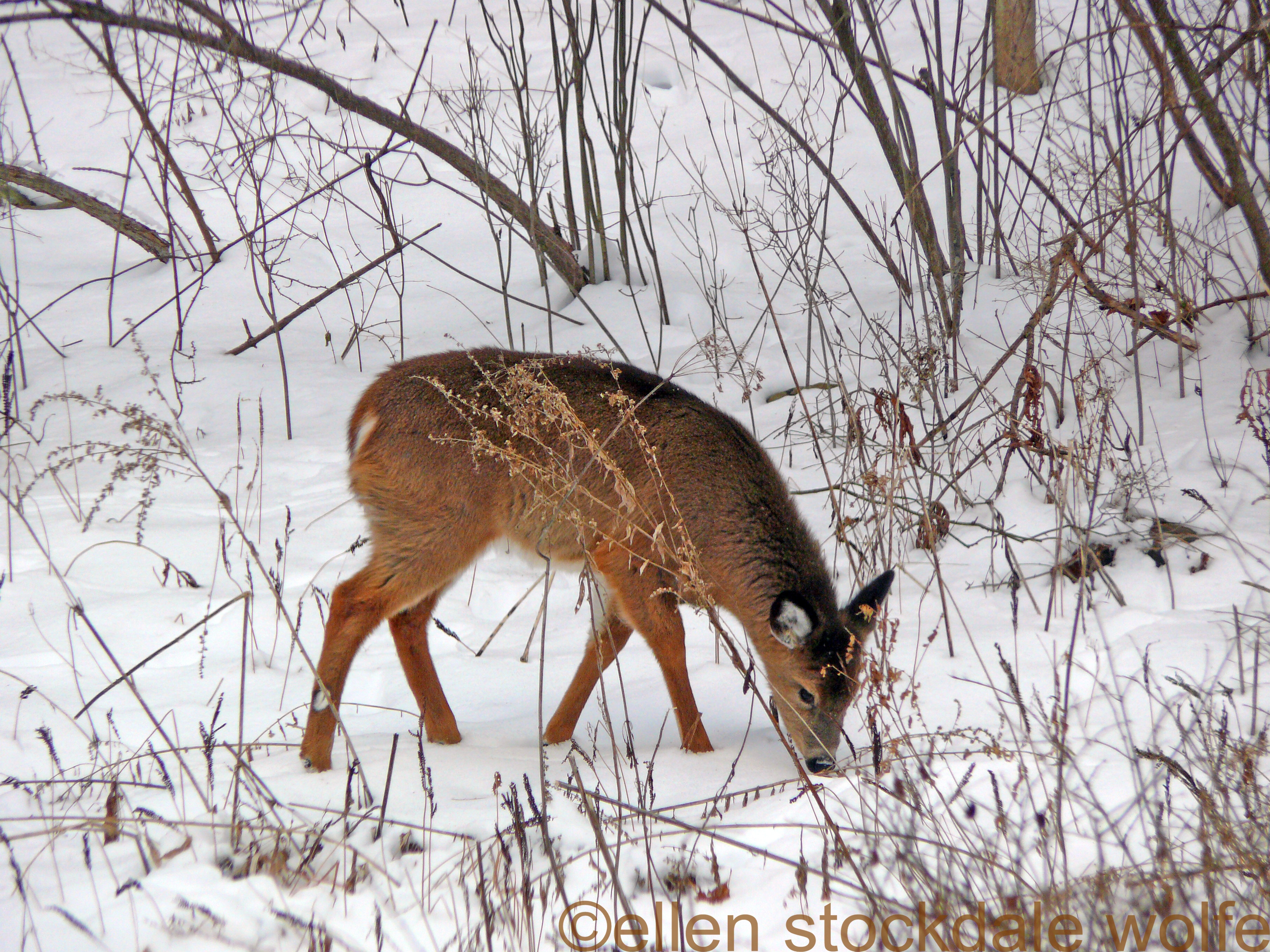
This “tres sensible,” furry doe appeared in our backyard one morning, showing no fear of us as we went about our activities. It pains me that Vassar College has hired hunters to feed deer, luring them to their death for mercenary gain in some non-sensical culling. As if hunting season weren’t bad enough. My heart sank for this fearless doe, unafraid of us. She must learn to be afraid of humans because humans are cold-hearted killers, hiding under the guise of sportsmanship and pest control. What kind of sport is this to entice deer to an area using food as bait and then, when trust is established, shooting them? It makes me ashamed of the human race. Issac Bashevis Singer, who fled the Nazis himself, and whose mother and brother were killed in the Camps, writes most eloquently on the subject in his ode to a mouse:
“What do they know—all these scholars, all these philosophers, all the leaders of the world—about such as you? They have convinced themselves that man, the worst transgressor of all the species, is the crown of creation. All other creatures were created merely to provide him with food, pelts, to be tormented, exterminated. In relation to them, all people are Nazis; for the animals it is an eternal Treblinka.”










 MOONSIDE
You must be logged in to post a comment.